Winter brings cosy gatherings, festive treats, and plenty of reasons to smile, but it also brings challenges that your teeth feel first. From sugar-packed holiday sweets to sharp, icy air, your enamel is constantly stressed throughout the season.
That’s why prioritising winter oral care and maintaining good holiday dental hygiene is more important than ever. At Charm Dental Care, we see many patients experience added sensitivity, dryness, and cavities during the colder months, all of which can be prevented with the right habits.
This winter guide is designed to help Texas families enjoy the season while keeping their teeth healthy and comfortable.
Key Takeaways
- Holiday sweets and frequent snacking increase the risk of cavities, especially when sugar remains on the teeth longer.
- Cold winter air can trigger tooth sensitivity as enamel contracts, exposing dentin.
- An intense winter oral hygiene routine, brushing, flossing, and staying hydrated, helps protect enamel during the season.
- Rinsing after sweets and acidic drinks helps reduce enamel erosion and maintain a balanced pH.
- Sensitive toothpastes with clinically proven ingredients can noticeably reduce winter discomfort.
- A post-holiday dental exam helps catch early cavities, enamel wear, and lingering sensitivity after festive treats.
Table of Contents
Why Holiday Sweets Dramatically Increase Cavity Risk?
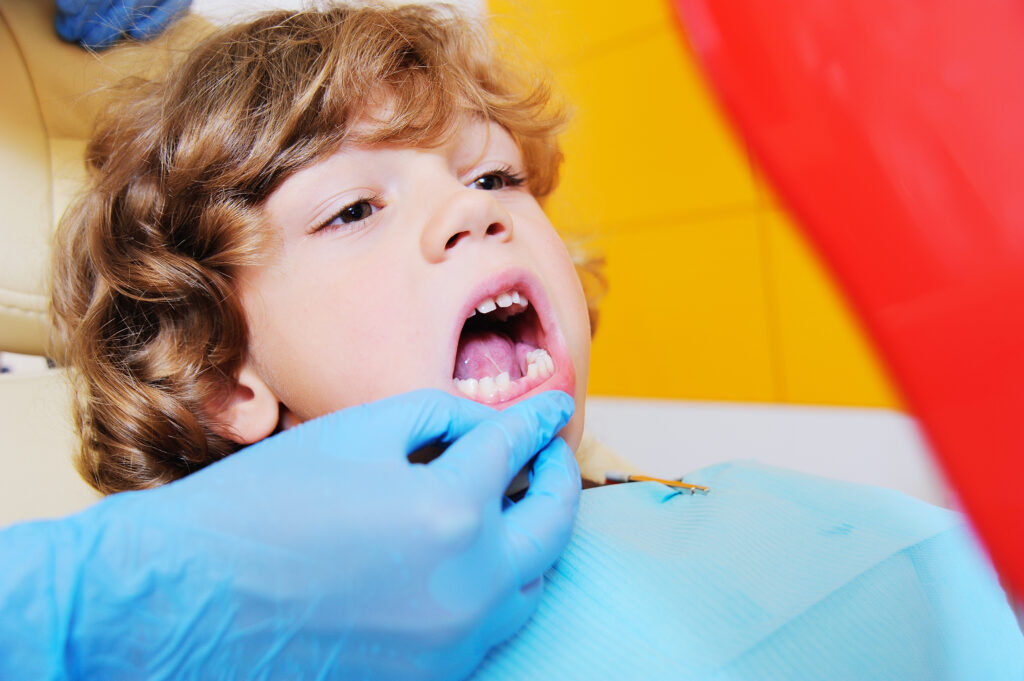
Festive treats like candy canes, chocolates, cookies, and sweet holiday drinks make the season joyful, but they also create the perfect environment for tooth cavities. Frequent snacking keeps sugar on the enamel longer, allowing bacteria to produce acids that weaken the tooth surface.
Sticky desserts cling to grooves, hot cocoa coats the teeth, and grazing throughout the day reduces saliva’s natural protection. All of this makes it harder to prevent holiday cavities and maintain strong enamel.
If you notice sensitivity or discomfort during the season, scheduling a visit at Charm Dental Care through our Membership Plan can help you stay on track with preventive care.
Quick Holiday Sugar Impact Guide
| Holiday Treat Type | Why It Increases Cavity Risk | Winter Tip |
| Sticky sweets (toffees, gummies) | Cling to enamel and feed bacteria longer | Rinse after eating |
| Chocolates & cookies | High sugar load in short bursts | Eat with meals, not alone |
| Hot cocoa & sweet lattes | Coat teeth with sugar film | Sip water afterward |
| Hard candies | Sit in mouth for long periods | Limit sucking time |
Also Read– How to Deal with Tooth Sensitivity to Sugar?

How Cold Weather Triggers Tooth Sensitivity?
Cold winter air can create sharp, sudden discomfort in your teeth, a common concern during the season. When temperatures drop, enamel contracts slightly, making it easier for sensations to reach the underlying dentin. This heightened exposure often leads to noticeable cold-weather tooth sensitivity, especially while breathing in cold air, sipping chilled drinks, or enjoying hot-and-cold holiday treats back-to-back.
Gum recession, worn enamel, or minor cracks can amplify this sensitivity. For patients who experience recurring discomfort, Charm Dental Care recommends a professional evaluation and guidance on using a guided-sensitivity toothpaste. You can learn more during a visit through our Dental Insurance for coverage details.
Best Winter Oral Hygiene Routines

Winter brings cold air, sugary celebrations, and dry indoor heat, all of which can impact your smile. That’s why following an intense winter brushing routine becomes vital for preventing plaque buildup and sensitivity.
Good holiday dental hygiene during the colder months helps protect enamel, reduce irritation, and maintain freshness even with frequent snacking.
Winter Oral Care Pointers
- Brush your teeth twice daily with fluoride toothpaste to help reinforce weakened enamel.
- Use warm water if your teeth are sensitive to cold.
- Floss daily to remove plaque and food debris trapped between teeth.
- Drink more water to support saliva production and prevent dry mouth.
- Limit frequent snacking to reduce acid attacks throughout the day.
- Use a humidifier at night to prevent dry mouth from heating.
- Choose sugar-free gum after meals to help neutralise acids.
- Switch to an electric toothbrush for better plaque removal.
- Keep a travel kit handy for holiday outings and gatherings.
For seasonal tips and updates, you can also follow Charm Dental Care through our Social Media page.
Read More: Importance of Morning and Night-Time Dental Routines
How Rinsing Prevents Enamel Erosion?
During winter, people consume more sugary treats, acidic drinks, and hot beverages, all of which can weaken enamel over time. Rinsing your mouth with water is one of the simplest ways to support winter enamel protection and help prevent holiday cavities.
A quick rinse reduces sugar buildup, balances mouth pH, and neutralizes acids before they begin softening the enamel surface.
Why Rinsing Helps?
- Washes away leftover sugar and food particles.
- Neutralises acids produced after eating sweets.
- Helps restore saliva balance when the mouth feels dry.
- Reduces erosion caused by frequent sipping on hot cocoa or cider.
- Minimises enamel wear when brushing immediately after acidic foods.

Sensitivity Toothpastes That Actually Work
Winter often makes existing tooth sensitivity feel sharper, especially when cold air or hot drinks hit exposed areas of the enamel. Using the right toothpaste can make a noticeable difference in managing cold-weather tooth sensitivity.
Many formulas contain ingredients like potassium nitrate, stannous fluoride, or hydroxyapatite that help calm nerve signals and strengthen weakened enamel. Consistent use of toothpaste with consistent sensitivity for two to four weeks can reduce sudden zingers and improve everyday comfort.
Tips for Choosing the Right Sensitivity Toothpaste
- Look for clinically supported ingredients rather than cosmetic ones.
- Use twice daily to allow protective minerals to build up.
- Avoid rinsing right after brushing to maximise absorption.
- Choose a soft-bristled toothbrush to prevent enamel wear.
- Select fluoride formulas if you enjoy hot cocoa or acidic winter drinks.
Why Post-Holiday Dental Exams Are Essential?

Once the festive season winds down, many families notice lingering sensitivity, dullness, or discomfort from weeks of sugary snacks and temperature changes. A post-holiday exam helps reverse this buildup and reveal issues that everyday brushing may miss.
During this time of year, more patients experience enamel wear, early cavities, or gum irritation, all of which are easier to treat when discovered early.
Many people also use this season to refresh their holiday dental hygiene routine and set better habits for the upcoming year. To make these checkups more accessible, Charm Dental Care provides seasonal savings you can explore through our Offers, helping families start the new year with healthier smiles.
Following a few simple post-holiday cleaning tips ensures your teeth feel brighter, cleaner, and fully recovered after the celebrations.
You Might Also Like
- Dental Habits and Your Overall Health
- How to Make Your Dental Cleaning Last Longer
- 8 Tips to Help Keep Your Teeth Clean Between Cleaning

Conclusion
Winter celebrations often bring extra sugar, temperature changes, and dryness that can quietly affect your smile. With mindful winter oral care and a consistent holiday dental hygiene routine, you can keep your enamel strong and sensitivity under control.
If you notice lingering discomfort or want a healthier start after the festive season, our team is ready to help. You can easily book an appointment for personalised guidance or to schedule a winter checkup. With expert support and daily care, your smile can stay bright, comfortable, and confident throughout the cold months.
FAQs (Frequently Asked Questions)
Q1: How To Prevent Cavities During Holidays?
Holiday sweets increase sugar exposure, making it more challenging to prevent holiday cavities. Enjoy treats with meals, rinse with water afterward, and brush twice daily with fluoride toothpaste. Reducing snacking frequency also helps support strong winter oral care habits.
Q2: Tooth Sensitivity In Cold Weather?
Cold air can trigger cold-weather tooth sensitivity by causing enamel to contract and exposing dentin. Using a sensitive toothpaste, avoiding hot-and-cold food combinations, and staying hydrated can ease discomfort throughout winter.
Q3: Best Oral Care Routine Winter?
An intense winter oral care routine includes brushing twice daily, flossing nightly, using warm water, and using a fluoride mouth rinse. These habits help maintain holiday dental hygiene and protect enamel from cold temperatures and sugary treats.
Q4: Does Cold Weather Cause Tooth Pain?
Yes. Cold temperatures can make enamel contract, leading to sharp pain, especially if erosion or gum recession is present. Following gentle winter brushing routines and avoiding sudden temperature changes can reduce discomfort.
Q5: How To Reduce Enamel Erosion?
For better winter enamel protection, rinse after sweets or acidic beverages, avoid brushing right after acidic foods, and use fluoride toothpaste. These habits strengthen enamel and help reduce seasonal wear.
Q6: Why Does Cold Air Cause Tooth Pain?
Cold air can travel through microscopic enamel cracks or exposed dentin, triggering nerve sensitivity. Winter dryness can also reduce saliva flow, increasing cold-weather tooth sensitivity for many patients.
Q7: Should I Brush Immediately After Eating Sweets?
No, wait 20–30 minutes. Brushing too soon can spread acid over softened enamel. Rinse with water first to support holiday dental hygiene and protect your enamel from erosion.
Q8: How Do I Prevent Holiday-Related Cavities?
Maintain a consistent winter oral care routine, enjoy sweets with meals, drink water afterward, and avoid frequent snacking. Sugar-free gum and fluoride products also help reduce the risk of cavities during festivities.
Q9: Does Sensitivity Toothpaste Actually Work?
Yes. Consistent use of toothpaste with consistent sensitivity helps block nerve pathways and strengthen enamel. Most people see relief within 2–4 weeks when used daily.
Q10: Should I Book A Checkup After Holidays?
Absolutely. A post-holiday exam helps spot early cavities, manage sensitivity, and refresh your smile. To start the year strong, you can easily contact us at Charm Dental Care, a smart step in your post-holiday cleaning tips.