Every July, National Cleft and Craniofacial Awareness Month shines a light on children and families living with cleft lip, cleft palate, and other craniofacial conditions.
According to the Centers for Disease Control and Prevention (CDC), about 1 in every 1,031 babies in the United States is born with a cleft lip, with or without a cleft palate. About 1 in every 1,563 babies is born with cleft palate alone.
While many people recognize the visible aspects of these conditions, fewer realize the long-term impact they can have on a child’s oral health, tooth development, speech, eating, and self-confidence.
Pediatric dental care plays an important role throughout a child’s growth. From monitoring developing teeth and preventing cavities to supporting good oral hygiene and working alongside orthodontists, surgeons, speech therapists, and other healthcare providers, regular dental visits help children maintain healthier smiles at every stage.
During Cleft & Craniofacial Awareness Month, parents can also learn how early, coordinated dental care supports both oral health and overall development.
In this guide, we’ll explain how cleft and craniofacial conditions affect growing smiles, share practical oral care tips, and discuss how families can help children build healthy, confident smiles for life.
Key Takeaways
- Cleft and craniofacial conditions can affect tooth growth, bite, speech, and oral hygiene.
- Regular pediatric dental visits help track changes as a child grows.
- Daily brushing, fluoride toothpaste, flossing, and healthy food choices lower cavity risk.
- Children often benefit from care shared across dentists, orthodontists, surgeons, and speech therapists.
- Early support helps protect oral health while building a child’s comfort and confidence.
Table of Contents
How Common Are Cleft Conditions?

Although cleft lip and palate are among the most common facial differences, many parents are surprised to learn how frequently these conditions occur.
Understanding their prevalence highlights the importance of early diagnosis, regular dental care, and ongoing support throughout childhood.
Cleft Conditions in the United States
| Condition | Estimated Occurrence in the United States |
|---|---|
| Cleft Lip With or Without Cleft Palate | About 1 in every 1,031 babies |
| Cleft Palate Alone | About 1 in every 1,563 babies |
While these numbers may seem small, thousands of children are born with cleft conditions every year. With timely medical treatment, preventive dental care, and regular monitoring, many children can maintain healthy smiles and achieve positive oral health outcomes.
Because every child’s needs are different, families are encouraged to schedule regular pediatric dental checkups to monitor tooth eruption, jaw development, and oral hygiene as their child grows.
Related Read: Importance of Dental Care for Babies

How Do Cleft Conditions Affect Oral Health?
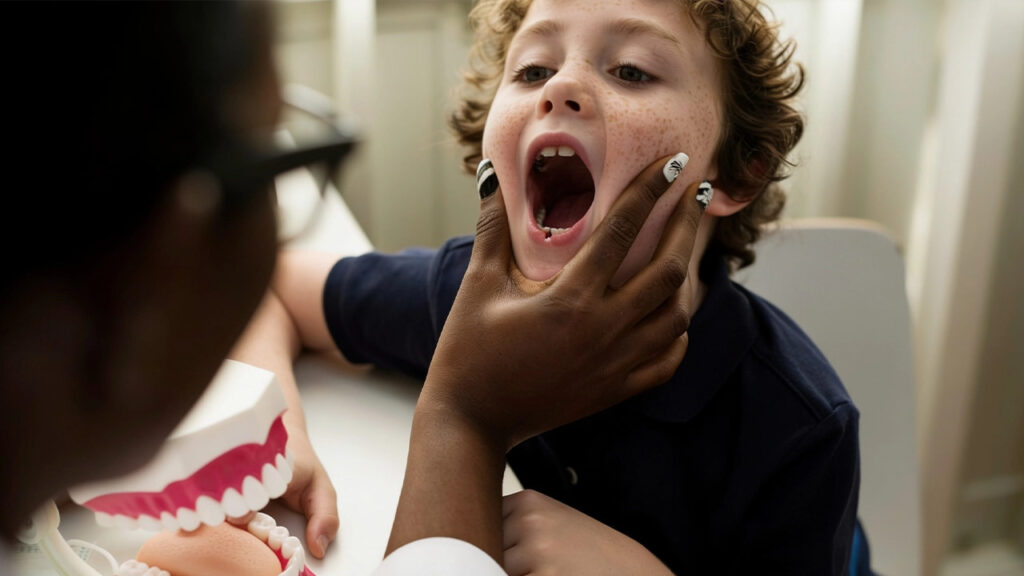
Children with cleft lip and palate or other craniofacial conditions often have unique oral health needs that require regular monitoring as they grow.
While every child is different, these conditions can affect the way teeth develop, erupt, and function, making preventive dental care especially important.
1. Delayed Tooth Eruption
Teeth near the cleft area may erupt later than expected, requiring regular dental evaluations to monitor healthy development.
2. Missing or Extra Teeth
Some children may develop missing teeth, extra teeth, or teeth that are smaller or differently shaped than usual.
3. Misaligned Teeth
Changes in jaw growth can cause crowded, rotated, or misaligned teeth, which may require an orthodontic evaluation as the child grows.
4. Bite Problems
Children with cleft conditions are more likely to develop bite irregularities, such as crossbites or open bites, that can affect chewing and speech.
5. Increased Cavity Risk
Crowded teeth, orthodontic appliances, or hard-to-reach areas can make brushing and flossing more difficult, increasing the risk of tooth decay and gum disease if plaque is not removed effectively.
6. Gum Health
Healthy gums play an important role in supporting tooth development. Regular preventive dental visits allow dentists to monitor gum health and identify concerns before they become more serious.
7. Difficulty Cleaning Teeth
Some areas of the mouth may require extra attention during brushing and flossing. Visiting one of Charm Dental Care’s convenient Texas locations for routine pediatric dental checkups can help parents receive personalized guidance on cleaning techniques, cavity prevention, and long-term oral health for children with cleft conditions.
Why Are Regular Dental Visits Important?
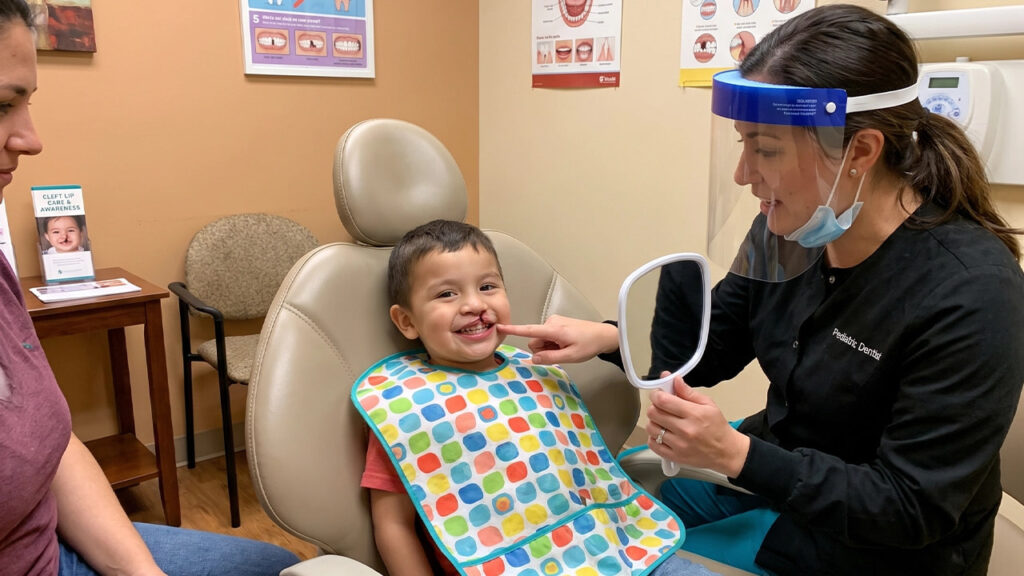
Children with cleft palate and other craniofacial conditions often benefit from regular dental visits because their oral health needs can change as they grow.
Routine checkups allow the dental team to monitor tooth development, identify concerns early, and provide preventive care that supports a healthier smile.
Here’s How a Pediatric Dentist Can Help
| Dental Care | Why It Matters |
| Monitor Tooth Development | Tracks delayed tooth eruption, missing or extra teeth, and changes in jaw growth. |
| Prevent Cavities | Regular examinations help detect early signs of tooth decay before they become more serious. |
| Fluoride Treatments | Strengthen developing teeth and help lower the risk of cavities in children who may be more prone to decay. |
| Dental Sealants | Protect the chewing surfaces of permanent molars from food particles and bacteria. |
| Oral Hygiene Education | Parents receive personalized brushing and flossing recommendations based on their child’s individual needs. |
| Coordinate Specialist Care | Works closely with orthodontists, oral surgeons, and other healthcare providers to support the child’s treatment plan. |
Since every child has different dental needs, Charm Dental Care’s pediatric dental team focuses on preventive care while monitoring oral development throughout childhood.
Regular checkups also help families stay informed about any changes that may require additional treatment or referral to a specialist.
Also Read: Top Benefits of Early Childhood Dental Visits

Dental Care Tips for Parents

Caring for a child with a cleft palate may require extra attention during daily brushing and flossing, but healthy habits established early can help lower the risk of cavities and gum problems.
These simple tips can make daily oral care more effective.
1. Brush Carefully Around Sensitive Areas
Use a soft-bristled toothbrush around healed cleft areas and dental appliances. For recent surgical sites, follow the cleaning instructions provided by your child’s surgeon or dental care team.
2. Use Fluoride Toothpaste
Brush twice a day using the appropriate amount of fluoride toothpaste for your child’s age.
Fluoride helps strengthen tooth enamel and lowers the risk of cavities, especially in children who may have difficulty cleaning certain areas of the mouth.
3. Encourage Healthy Eating Habits
Offer a balanced diet that includes fruits, vegetables, dairy products, and plenty of water. Limiting sugary snacks and drinks can significantly reduce the risk of tooth decay and support long-term oral health.
4. Keep Up With Routine Dental Visits
Regular dental checkups allow the dentist to monitor tooth development, identify concerns early, and recommend preventive treatments when needed.
Parents can book routine dental visits for their child to help keep their child’s oral health on track as they grow.
5. Follow Your Child’s Treatment Plan
Children with cleft conditions may receive care from several healthcare professionals over the years. Following the recommended treatment schedule, attending follow-up appointments, and maintaining good communication with each provider can help support the best possible oral health outcomes.
How a Multidisciplinary Care Team Supports Children

Children with cleft lip and palate often benefit from care provided by a team of healthcare professionals.
Each specialist focuses on a different aspect of the child’s growth and development, working together to support better oral health, speech, feeding, appearance, and overall well-being.
| Specialist | How They Help |
| Pediatric Dentist | Monitors oral health, prevents cavities, evaluates tooth development, and provides routine dental care. |
| Orthodontist | Corrects bite problems and guides the alignment of developing teeth and jaws. |
| Oral and Maxillofacial Surgeon | Performs procedures related to the jaws, teeth, and facial structures when needed. |
| Plastic Surgeon | Repairs the cleft lip or palate and may perform additional reconstructive procedures as the child grows. |
| Speech Therapist | Helps children improve speech, language development, and communication skills. |
| ENT Specialist | Monitors hearing, ear infections, breathing concerns, and other conditions commonly associated with cleft palate. |
Good communication among providers helps create a treatment plan that supports the child’s long-term health. If parents have questions about routine dental care or coordinating visits with other specialists, they can contact the Charm Dental Care team for guidance and appointment information.
Working together, healthcare professionals can provide comprehensive care that supports healthy smiles and overall development throughout childhood.
Related Read: How to Choose the Right Pediatric Dentist in Houston, TX
Supporting Your Child’s Confidence

Living with cleft lip and palate involves more than dental care and medical treatment. Children may also face emotional challenges as they grow, especially when starting school, meeting new friends, or attending regular healthcare appointments.
Encouragement from parents, caregivers, teachers, and healthcare providers can make a meaningful difference in a child’s confidence.
Ways Parents Can Support Their Child
- Focus on strengths: Celebrate your child’s achievements, talents, and personality rather than focusing only on their medical journey.
- Encourage open conversations: Let your child ask questions and express their feelings about dental visits, treatments, or their appearance.
- Create positive dental experiences: Calm, supportive appointments can help reduce anxiety and build trust in dental care from an early age.
- Work with teachers and caregivers: Sharing your child’s needs with school staff can help create a more understanding and supportive environment.
- Stay involved throughout treatment: Regular dental visits are an important part of long-term care, and parents can review the dental insurance plans accepted at Charm Dental Care to better plan for preventive and ongoing treatment.
With consistent support, positive experiences, and a coordinated treatment plan, children with cleft and craniofacial conditions can develop healthy smiles while building confidence throughout childhood.

Why Families Trust Charm Dental Care
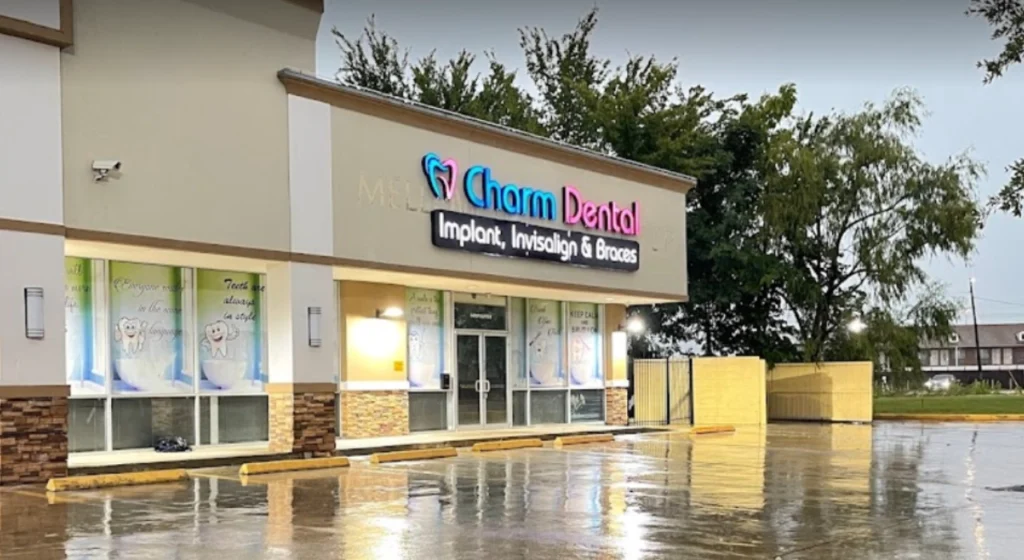
Children with cleft lip and palate often require ongoing preventive dental care as they grow. At Charm Dental Care, we understand that every child’s oral health journey is unique.
Our team is committed to providing compassionate, individualized care while helping parents make informed decisions about their child’s dental health.
- Gentle, Family-Centered Care: We create a welcoming environment where children feel comfortable, and parents feel heard, making dental visits a more positive experience.
- A Strong Focus on Prevention: Regular dental exams, professional cleanings, fluoride treatments, and preventive care help protect developing teeth and reduce the risk of future oral health problems.
- Personalized Care Plans: Every child receives treatment recommendations based on their age, oral development, medical history, and individual dental needs.
- Collaborative Approach to Care: When a child requires specialized treatment, we work alongside parents and can coordinate referrals to orthodontists, oral surgeons, speech therapists, and other healthcare professionals as needed.
- Convenient Care Close to Home: With multiple Charm Dental Care locations across Texas, families can easily access routine dental care and preventive services without traveling far.
- Making Dental Care More Accessible: We accept many insurance plans, and parents can review our dental offers or contact our team before scheduling treatment to discuss coverage, payment options, and available savings.
Whether your child needs routine preventive care, regular oral health monitoring, or guidance throughout their dental development, Charm Dental Care is here to support healthier smiles with compassionate care every step of the way.
You Might Also Like
- When Should a Child See a Dentist for the First Time?
- Braces for Kids: A Complete Parent’s Guide
- Top Benefits of Early Childhood Dental Visits
Supporting Healthy Smiles Through Every Stage of Growth
Cleft & Craniofacial Awareness Month is an opportunity to increase understanding, encourage early intervention, and recognize the importance of lifelong oral healthcare for children with cleft lip, cleft palate, and other craniofacial conditions.
While every child’s journey is unique, regular dental visits, good oral hygiene, and coordinated care can help support healthy teeth, proper development, and greater confidence.
At Charm Dental Care, we are committed to providing compassionate preventive dental care for children while working with families to monitor growing smiles at every stage.
Frequently Asked Questions
Q1.What Is Cleft & Craniofacial Awareness Month?
Cleft & Craniofacial Awareness Month is observed every July to raise awareness of cleft lip and palate, as well as other craniofacial conditions. It encourages early diagnosis, access to coordinated healthcare, family education, and community support while helping people better understand the challenges children with these conditions may face.
Q2.How Does A Cleft Palate Affect Teeth?
A cleft palate can influence how a child’s teeth develop and erupt. Some children may experience delayed tooth eruption, missing or extra teeth, crowding, bite problems, or difficulty cleaning certain areas of the mouth.
Q3.Can Children With Cleft Palate Visit A Regular Pediatric Dentist?
Yes, Children with cleft palate can receive routine examinations, cleanings, fluoride treatments, and cavity prevention care from a pediatric dentist. Their dental care should also be coordinated with a cleft or craniofacial team when orthodontic, surgical, speech, hearing, or other specialist support is required
Q4.How Often Should Children With Cleft Conditions See A Dentist?
The frequency of dental visits depends on each child’s oral health, age, and treatment needs. While many children benefit from checkups every six months, some may require more frequent visits to monitor tooth development, oral hygiene, or orthodontic concerns.
Q5.What Dental Treatments Might Children With Cleft Palate Need?
Treatment varies from child to child and may include preventive dental care, fluoride treatments, dental sealants, fillings, orthodontic treatment, or other procedures recommended by the child’s healthcare team. The goal is to maintain healthy teeth and gums while supporting proper oral development.
Q6.How Can Parents Help Prevent Cavities In Children With Cleft Conditions?
Parents can help reduce the risk of cavities by encouraging twice-daily brushing with fluoride toothpaste, flossing every day, limiting sugary foods and drinks, scheduling routine dental visits, and following the child’s personalized treatment plan. Good oral hygiene habits established early can support healthy teeth throughout childhood.