If you’ve ever shopped for at-home dental care, you’ve probably seen both Waterpiks and water flossers on the shelf and wondered if they are the same thing or completely different tools.
This question arises frequently because both are designed to make cleaning between teeth easier and gentler than traditional string floss. Knowing the difference between a Waterpik and a water flosser is crucial, especially if you’re focused on maintaining gum health, caring for braces, or simply finding the right option for your family.
In this blog, we’ll explain what each one is, how they work, and which might be the best fit for your daily routine.
Key Takeaways
- Water flosser = device type, Waterpik = leading brand.
- Both clean with pressurized water to reduce plaque and improve gum health.
- Waterpik models offer more features, tips, and recommendations from dentists.
- String floss + Waterpik together give the best results.
- Other brands exist, but Waterpik’s effectiveness makes it a top choice.
- Regular dental checkups remain essential for maintaining long-term oral health.
Table of Contents
What Is A Water Flosser?
A water flosser, also known as an oral irrigator, uses a gentle stream of pulsating water to clean between teeth and along the gum line. Unlike traditional string floss, it easily flushes away food particles and plaque, especially helpful for those with Dental braces, bridges, or gum sensitivity.
Clinical studies have shown that water flossers are effective in reducing plaque, particularly in hard-to-reach interdental areas, and improving gum health for individuals who struggle with regular flossing.
Dentists often recommend water flossers for individuals who have difficulty flossing by hand, experience bleeding gums, or want a gentler, more efficient way to maintain oral hygiene.
Want to learn other ways to protect gum health? Read our blog on 6 Ways to Keep Your Gums Healthy.
What Is A Waterpik?
A Waterpik is not a different device from a water flosser; it’s the most popular brand name of water flosser, much like how people say Kleenex when they mean tissues. Over the years, the brand has become so well-known that many people use the terms interchangeably.
A Waterpik flosser is available in different models to fit individual needs:
- Countertop models – larger reservoirs for extended use at home.
- Cordless models – lightweight and portable, perfect for travel.
- Multi-user systems – with interchangeable tips, allowing the whole family to use one device.
The first Waterpik was created in 1962 by Dr. Gerald Moyer, a dentist, and John Mattingly, an engineer, who wanted to design an easier and more effective way to clean between teeth.
Since then, the company has grown into the leading producer of oral irrigators, with a wide range of Waterpik models trusted worldwide for at-home dental care.

Waterpik Vs Water Flosser – What’s The Real Difference?

Many people use the terms interchangeably, but there is a real difference between a Waterpik and a water flosser.
- A water flosser is the general category — any device that uses a pressurized stream of water (oral irrigation) to clean between teeth and along the gums.
- A Waterpik is a leading brand of water flosser, known for its range of models, advanced features, and strong reputation in oral care.
| Feature | Water Flosser (Category) | Waterpik (Brand) |
| Definition | Any oral irrigator device | Trademarked brand of water flosser |
| Technology | Uses pressurized water to clean teeth/gums | Same oral irrigation technology |
| Variety | Made by many companies | Multiple models within Waterpik line |
| Reputation | Varies by brand | Long-standing, widely recommended by dentists |
In short, all Waterpiks are water flossers, but not all water flossers are Waterpiks.
Comparing Waterpik To Other Flossing Options
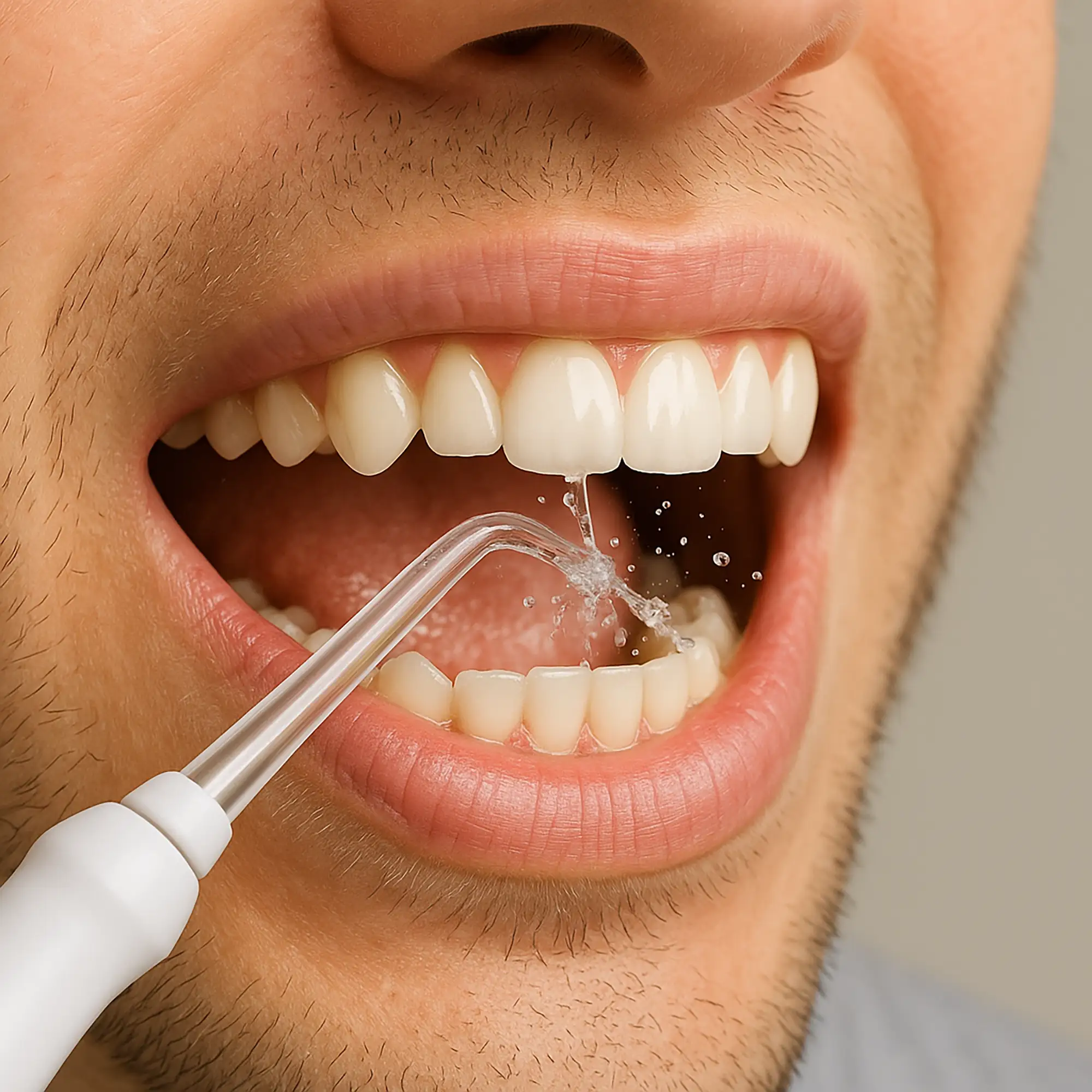
When deciding on the best flossing method, many people compare Waterpik with other options, such as string floss, electric flossers, and competing water flosser brands.
1. Waterpik Vs String Floss
String floss has been the traditional method for cleaning between teeth, but not everyone finds it easy to use. A Waterpik vs string floss comparison highlights the differences:
| Aspect | String Floss | Waterpik |
| Plaque Removal | Effective when used correctly | Equally effective, easier for hard-to-reach areas |
| Sensitive Gums | May cause irritation or bleeding | Gentler stream of water, more comfortable |
| Ease of Use | Requires manual dexterity | Simple, especially for braces/implants |
In short, a water flosser vs floss choice often comes down to comfort and ease.
2. Waterpik Vs Electric Flossers
Electric flossers, such as Sonicare AirFloss and Oral-B, use bursts of air and microdroplets instead of a continuous water stream. Compared to them, Waterpik offers:
| Feature | Sonicare AirFloss / Oral-B | Waterpik |
| Cleaning Method | Air + microdroplets | Steady pressurized water stream |
| Coverage | Targets specific gaps | Covers larger gumline area |
| Effectiveness | Good for quick use | Stronger evidence for plaque and gum health |
So, if you’re comparing Sonicare water flosser vs Waterpik, or AirFloss vs Waterpik, the latter is generally considered more thorough.
3. Waterpik Vs Other Water Flosser Brands
Several brands now make water flossers, including Clearpik, HydroFloss, Aquasonic, Philips, and Quip.
These competitors may offer lower prices or unique features, but Waterpik remains popular for reliability and dental endorsements.
| Brand | Strengths | Compared To Waterpik |
| Clearpik | Budget-friendly | Fewer advanced features |
| HydroFloss | Magnetic water system claims | Less mainstream use |
| Aquasonic | Compact and stylish | Smaller water tanks |
| Philips | Known for quality appliances | Limited flosser range |
| Quip | Sleek, modern design | Less powerful stream |
When comparing Clearpik vs. Waterpik, HydroFloss vs. Waterpik, or Philips water flosser vs. Waterpik, the decision often comes down to brand trust, features, and budget.
Benefits Of Using A Waterpik Or Water Flosser
Adding a water flosser to your daily routine can make a noticeable difference in both comfort and oral health. Unlike string floss, which some people find difficult or irritating, these devices use a steady stream of water to clean effectively and gently.
Key benefits include:
- Reduces plaque and gingivitis – Clinical research supports the benefits of water flossers, showing they can help lower gum bleeding and inflammation.
- Great for orthodontics and restorations – Ideal for patients with braces, dental implants, or bridges, where string floss is difficult to maneuver.
- Gentle on sensitive gums – A water stream is less abrasive than a string, for those with bleeding or tender gums.
- Improves long-term gum health – Regular use supports better oral hygiene and overall gum wellness.
For many patients, the proven effectiveness of Waterpik comes down to how easy it is to stay consistent when flossing feels simple and comfortable, people are more likely to maintain it every day.
Considering an upgrade to your home care routine? See how our Membership Plan makes preventive care and cleanings more affordable for the whole family.

Limitations And Considerations
While water flossers are effective, it’s essential to understand their limitations before making the switch.
Here are some common Waterpik pros and cons to keep in mind:
- Cost – Water flossers are more expensive than traditional string floss, and replacement tips add to the long-term cost.
- Power Source – Most models require electricity or batteries, which may not be convenient for travel or quick use.
- Not A Complete Replacement – Dentists agree that while water flossers are excellent for gum health, they don’t always remove sticky plaque the way string floss can.
At Charm Dental Care, we remind patients that water flossers are most effective when used in conjunction with professional cleanings and regular checkups.
Even the most advanced devices can’t replace the care and precision of an in-office cleaning, which helps prevent gum disease and tooth decay.
Which Is Better – Waterpik Or A Water Flosser?
Both options clean effectively, but the right choice depends on your dental needs and lifestyle.
- Everyday Use and Sensitive Gums – A standard water flosser is sufficient for daily cleaning, but Waterpik models stand out with multiple pressure modes that make them gentler for individuals with sensitive gums.
- Orthodontics and Implants – For braces, implants, or Crowns and bridges, Waterpik is often preferred because it includes specialized orthodontic and implant tips designed to clean around hardware more effectively.
- Family or Individual Use – While many brands serve individuals well, the best Waterpik for multiple users comes with larger water tanks and interchangeable tips, making it practical for families to share one device.
Seeking ways to save while maintaining your smile’s health? Check out our special offers available this month at Charm Dental Care.
In short, all water flossers support gum health, but Waterpik offers more options tailored for different needs.
You Might Also Like
- Is Teeth Whitening Safe and Effective?
- The Importance of Morning and Night-Time Dental Routines
- Top Ways to Prevent Cavities in Children
Conclusion
When it comes to at-home oral hygiene, the main difference lies in the fact that Waterpik is a brand, while a water flosser is a broader device category. Both provide valuable benefits, such as reducing plaque, improving gum health, and making flossing easier for individuals with braces, implants, or sensitive gums.
Still, they are not a complete replacement for string floss or professional visits. Regular cleanings and exams are essential for long-term oral health. If you’re looking for a family dentist who can guide you on the best tools and provide trusted preventive dental care, schedule your checkup at Charm Dental Care today.
FAQs ( Frequently Asked Questions)
Q1. Is A Waterpik The Same As A Water Flosser?
No. A water flosser is the general device type, while Waterpik is the most popular brand of water flosser.
Q2. Can A Waterpik Or Water Flosser Replace Flossing Completely?
Not fully. Water flossers clean effectively between teeth and along the gums, but string floss is still necessary to remove stubborn plaque.
Q3. Which Is Better, Waterpik Or Regular Floss?
Both work, but many people find Waterpik easier and gentler, especially for sensitive gums or hard-to-reach areas.
Q4. Does A Waterpik Remove Plaque Effectively?
Yes. Studies show Waterpiks and other water flossers reduce plaque and improve gum health when used daily.
Q5. Is A Waterpik Better Than String Floss For Braces Or Implants?
Yes. Waterpiks are often recommended for braces, Tooth implants, and bridges because water can reach areas that string floss can’t.
Q6. Are Water Flossers Safe For Kids And Seniors?
Yes. With proper settings, they are safe for children, older adults, and anyone who finds string floss difficult to use.
Q7. Can You Share A Waterpik Or Water Flosser Between Family Members?
Yes, but each person should use their own tip. Many Waterpik models are designed for multiple users.
Q8. What Is The Best Water Flosser Brand Besides Waterpik?
Other popular brands include Philips, Aquasonic, and HydroFloss. The best choice depends on features and budget.
Q9. Should I Use Floss And A Waterpik Together?
Yes. Using both gives the best results. String floss removes sticky plaque, while water flossing improves gum health.
Q10. Do Dentists Recommend Waterpik Or Traditional Flossing?
Most dentists recommend using both. Flossing daily, combined with water flossing, provides the most comprehensive cleaning at home.