Understanding dental cleaning costs in Katy and Houston can feel confusing, especially when prices vary by clinic, treatment type, and insurance coverage.
A routine dental cleaning is one of the easiest ways to maintain healthy teeth, yet many people delay it because they are unsure about the cost.
In reality, most cleanings are more affordable than expected, and there are options for different budgets.
In this guide, you’ll learn what a professional teeth cleaning in Katy includes, how much it costs with and without insurance, and how to plan your visit with clarity and confidence.
Key Takeaways
- Routine dental cleanings are usually affordable, and with insurance, they may cost little to nothing.
- A standard cleaning helps prevent cavities, gum problems, and bigger dental expenses later.
- Deep cleaning costs more than a regular cleaning because it treats gum disease below the gum line.
- Cleaning costs in Katy and Houston can vary based on the clinic, your oral health, and what is included in the visit.
- Even without insurance, options such as membership plans, offers, and flexible payment plans can help reduce costs.
- Understanding your treatment plan clearly helps you avoid confusion about what you need and what you may have to pay.
- Staying regular with cleanings protects both your oral health and your long-term budget.
Table of Contents
What’s Included in a Routine Dental Cleaning Visit?
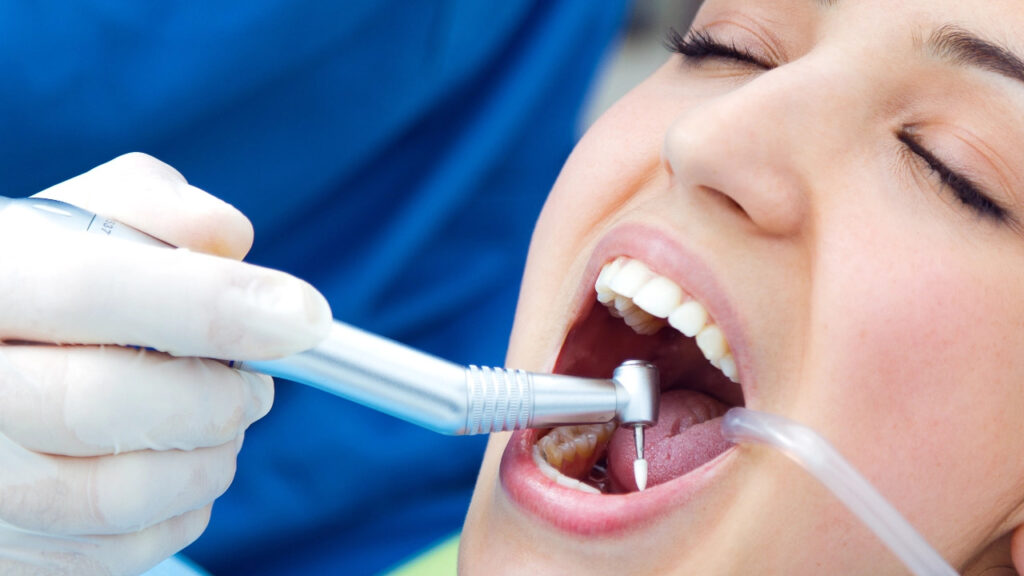
When you come in for a dental cleaning, the visit is simple, comfortable, and focused on keeping your teeth and gums in good shape.
At Charm Dental Care, the goal is not just to clean your teeth but to catch small issues before they become bigger problems.
A standard professional teeth cleaning usually includes:
- Oral exam: Our Professional dentist or hygienist checks your teeth, gums, and overall oral health.
- Plaque and tartar removal: Built-up deposits are gently removed, especially around the gum line.
- Teeth polishing: Your teeth are polished to remove surface stains and smooth the enamel.
- Flossing: A thorough flossing clears out areas that brushing might miss.
- Fluoride treatment (if needed): Helps strengthen enamel and protect against cavities.
Most visits take about 30 to 60 minutes.
If your teeth are in good condition, the process is quick and painless. Regular cleanings also help reduce the chances of needing more complex treatments later.
Read More: Explaining the Dental Cleaning Process: What to Expect
Average Cost of a Regular Dental Cleaning in Katy & Houston
Charm Dental Care Katy
The cost of dental cleaning in Katy and Houston can vary depending on the clinic, your oral health, and whether it’s your first visit or a routine checkup.
If you’re searching for teeth cleaning cost near me, here’s a realistic idea of what to expect.
For a standard dental cleaning, most patients typically pay:
Typical Cost Range
| Type of Cleaning | Estimated Cost |
| Routine dental cleaning | $75 – $200 |
| Cleaning with exam & X-rays | $150 – $400 |
| With insurance | $0 – $50 (often covered) |
New patient visits may include exams and X-rays, which can slightly increase the total cost. However, many clinics bundle these services into first-visit packages.
At a trusted dentist in Katy, TX, pricing is usually explained upfront, so you know what you’re paying before treatment begins.
Keep in mind, costs may be higher if there is significant plaque buildup or if more detailed care is needed. Regular visits often help keep your cleaning simple and more affordable over time.

What Is a Deep Cleaning (Scaling & Root Planing) and When Do You Need It?
A deep dental cleaning is different from a regular cleaning. It is a treatment used when plaque and tartar have gone below the gum line and started affecting the gums and bone. If you’re curious about what actually happens during your visit, we’ve put together a full guide on the dental cleaning process step by step.
This procedure, also called scaling and root planing, focuses on preventing gum disease from progressing.
What Happens During a Deep Cleaning?
- Scaling: Removes plaque and tartar from below the gum line.
- Root planing: Smooths the tooth roots so gums can reattach properly.
- Gum pocket cleaning: Targets bacteria in deeper areas around teeth.
- Multiple visits (if needed): Often done in sections (quadrants).
When Do You Need a Deep Cleaning?
Your dentist may recommend it if you have:
- Bleeding gums while brushing or flossing.
- Persistent bad breath.
- Gum recession (teeth looking longer).
- Loose teeth or gum infection.
- Diagnosed periodontal disease.
Regular Cleaning vs Deep Cleaning
| Feature | Regular Cleaning | Deep Cleaning |
| Area cleaned | Above gum line | Below gum line |
| Purpose | Prevention | Treat gum disease |
| Time | 30–60 minutes | Multiple visits |
| Discomfort | Minimal | May need numbing |
Quick Takeaways
- Deep cleaning is not routine; it’s a treatment.
- It helps stop gum disease early.
- Delaying it can lead to tooth loss or higher costs later.
Read More: The Importance of Professional Teeth Cleaning
What Is a Deep Cleaning (Scaling & Root Planing) and When Do You Need It?
A deep dental cleaning is recommended when a regular cleaning is no longer enough to protect your gums. At this stage, plaque and bacteria have moved below the gum line, where a standard cleaning cannot reach.
This treatment, called scaling and root planing, focuses on cleaning deeper areas and helping your gums heal before the condition progresses.
What actually changes here?
Instead of cleaning just the surface, the dentist works along the roots of your teeth. This helps remove buildup inside gum pockets and creates a clean surface so the gums can reattach properly.
Because of this, the procedure is often performed in sections rather than in a single visit.
Signs you may need a deep cleaning?
- Gums that bleed easily.
- Swelling or tenderness.
- Persistent bad breath.
- Gum recession
- Early gum disease
Why does acting early matter?
Deep cleaning helps prevent gum disease from leading to bone loss or tooth instability. Treating it early keeps the process simpler and avoids more expensive procedures later.
Also Read– Explaining the Dental Cleaning Process: What to Expect
Dental Cleaning Costs With Insurance: What’s Usually Covered
If you have dental insurance, a routine dental cleaning is often one of the easiest treatments to manage financially.
Most plans include preventive dental benefits designed to cover basic care before problems start.
What is usually included in coverage?
In many cases, dental cleaning insurance coverage includes:
- Routine cleanings (typically twice a year).
- Basic oral exams.
- X-rays (once a year or as needed).
For many patients, this means you may pay little to nothing for a standard cleaning.
Where do patients get confused?
Not all cleanings are treated the same under insurance.
- Regular cleaning: Often covered in full under preventive care.
- Deep cleaning: Usually falls under basic or periodontal treatment and may not be fully covered.
This is where out-of-pocket costs can vary.
What affects your final payment?
Even with insurance, your share may depend on:
- Your annual coverage limit.
- Deductibles that need to be met.
- Whether the clinic is in-network or out-of-network.
- The type of cleaning recommended.
Where to check your benefits?
Before your visit, it helps to review your plan details on the Dental Insurance plan, so you know exactly what is included.

Dental Cleaning Costs Without Insurance: Options to Save

Not having insurance doesn’t mean you have to delay a dental cleaning. Many patients today look for dental cleaning without insurance options, and there are practical ways to keep care affordable.
Start with the basics?
A routine cleaning is still one of the most cost-effective treatments in dentistry. When done on time, it helps avoid more expensive procedures later.
Ways patients reduce costs?
If you’re searching for cheap teeth cleaning near me, here are a few options that actually help:
- In-house membership plans: Fixed yearly fee with included cleanings.
- New patient offers: Bundled exams, X-rays, and cleaning at a lower price.
- Flexible payment options: Split payments instead of paying everything up front.
A practical option many patients use
One of the easiest ways to manage ongoing care is through a clinic membership. The Membership payment Plan is for patients without insurance and typically includes preventive visits at a reduced overall cost.
Why does this matter?
Delaying care to save money often leads to higher treatment costs later. A small, planned expense today can prevent larger, unexpected procedures in the future.
You don’t need insurance to stay consistent with dental care. With the right plan or offer, regular cleanings remain accessible and manageable.
Also Read– Is Dental Insurance Worth It? A Complete Guide to Making the Right Choice
How to Read Your Treatment Plan and Ask the Right Cost Questions?

After your exam, you’ll usually receive a dental treatment estimate. For many patients, this is where confusion starts. The numbers, terms, and breakdown can feel unclear if you don’t know what to look for.
What does your treatment plan usually include?
A typical estimate will show:
- Type of cleaning recommended (routine or deep).
- Number of visits required.
- Breakdown of procedures.
- Insurance portion (if applicable).
- Your expected out-of-pocket amount.
How to read it with clarity?
Instead of focusing only on the final number, look at:
- What treatment is actually needed right now?
- What can be scheduled later if required?
- Which parts are preventive vs treatment-based?
This helps you understand the priority, not just the price.
Smart questions to ask before you proceed
These simple dental cost questions can make a big difference:
- Is this a routine cleaning or a deep cleaning?
- How urgent is this treatment?
- Can this be done in phases?
- What part is covered by insurance?
- Are there flexible payment options available?
Where to understand payment options better
Before committing, it helps to review available options on the Payment plans so you can plan your treatment comfortably.
A treatment plan is not just a bill. It’s a roadmap. When you understand it clearly, you can make confident decisions about your care.
When Skipping Cleanings Gets Expensive (Financially and Health-Wise)

It’s easy to delay a dental cleaning, especially when there’s no pain. But skipping regular visits often leads to problems that are harder and more expensive to treat later.
What starts small doesn’t stay small
Plaque buildup may seem harmless at first, but over time it can harden into tartar. This is where routine care is no longer enough, and more involved treatment may be needed.
What can happen if you keep postponing?
- Cavities that require fillings instead of simple cleaning.
- Gum inflammation that can progress into gum disease.
- Persistent bad breath due to bacterial buildup.
- Tooth sensitivity or discomfort while eating.
- In advanced cases, damage to the bone supporting your teeth.
The cost no one plans for?
The cost of not going to the dentist is rarely immediate, but it builds over time. What could have been a simple visit may turn into multiple treatments, more appointments, and a higher overall expense.
A simple comparison
- Routine cleaning. Preventive, quick, manageable.
- Delayed care. Treatment-based, time-consuming, and more complex.
See the difference early care makes
Patients who stay consistent with cleanings often avoid visible damage and major procedures. You can explore real outcomes on the Patient Gallery to understand how early care supports long-term oral health.
Regular cleanings are not just about keeping your teeth clean. They help you avoid bigger problems that affect both your health and your budget.
Read More: How Long Can Dental Problems Stay Silent Before Getting Expensive

Why Choose Charm Dental Care for Your Dental Cleaning in Katy & Houston?
Choosing the right dental clinic makes a big difference in how comfortable and confident you feel during your visit.
At Charm Dental Care, the focus is on making dental care simple, clear, and stress-free for every patient.
What patients appreciate most?
- Multiple convenient locations. Easy access across Katy, Spring, Richmond, and Humble, TX.
- Clear and upfront pricing. No confusion about your treatment plan or costs.
- Comfort-focused care. Gentle approach that helps reduce anxiety during visits.
- Family-friendly environment. Care for both adults and children in one place, including pediatric dentistry in Katy for younger patients.
- Flexible payment options. Designed to make treatments manageable without stress.
- Modern technology. Efficient and accurate care with updated dental tools.
- Same-day and emergency availability. Quick support when you need it most.
What makes the experience different?
Patients are not rushed through appointments. Every visit is explained clearly, so you understand what’s being done and why. This helps you feel more in control of your dental care decisions.
If you’re ready to schedule your dental cleaning, the process is simple. You can reach out to the team and choose a location that works best for you.
You Might Also Like
- Tips to Help Keep Your Teeth Clean Between Dental Cleanings
- How to Make Your Dental Cleaning Last Longer
- 8 Tips to Help Keep Your Teeth Clean Between Cleanings
Conclusion
A dental cleaning is one of the simplest ways to protect your oral health and avoid bigger treatments later. Understanding the dental cleaning cost in Katy and Houston helps you plan better, whether you have insurance or not. From routine visits to deep cleanings, knowing what to expect makes the process easier and less stressful.
Regular care keeps your teeth strong, your gums healthy, and your long-term costs under control. If you’ve been delaying your visit, now is a good time to take action. Schedule your appointment and stay consistent with your dental care.
FAQs (Frequently Asked Questions)
Q1.What Is Included In A Standard Dental Cleaning?
A standard dental cleaning focuses on removing buildup and checking your oral health. It usually includes an oral exam, plaque and tartar removal, polishing, and flossing. In some cases, a fluoride treatment may also be added to strengthen your teeth and reduce the risk of cavities.
Q2.How Long Does A Dental Cleaning Usually Take?
Most routine cleanings take between 30 and 60 minutes. The exact time depends on the extent of buildup, your gum health, and whether it is your first visit or a follow-up cleaning.
Q3.How Much Does A Dental Cleaning Cost In Katy, TX?
The cost of a dental cleaning in Katy generally ranges from $75 to $200 without insurance. If exams or X-rays are included, the total may increase. With insurance, many preventive cleanings are fully covered or require only a small copay.
Q4.Why Do Cleaning Costs Vary Between Dental Clinics?
Cleaning costs vary because each clinic may differ in location, experience, technology, and services included in the visit. Some clinics include exams and X-rays in the same appointment, while others may charge separately.
Q5.What Is The Difference Between A Regular Cleaning And A Deep Cleaning?
Regular cleaning is preventive and removes plaque from the surfaces of your teeth. A deep dental cleaning is recommended when gum disease is present and involves cleaning below the gum line to remove bacteria and support gum healing.
Q6.When Does A Dentist Recommend A Deep Cleaning?
A dentist may recommend a deep cleaning when there are signs of gum disease, such as bleeding gums, swelling, persistent bad breath, or gum recession. Early treatment helps prevent the condition from worsening.
Q7.How Much Does A Deep Cleaning Cost Per Quadrant?
The cost of deep cleaning teeth is typically calculated per quadrant. Each section may cost a few hundred dollars, depending on the severity of the condition and the amount of buildup that needs to be removed.
Q8.Is A Deep Cleaning Covered By Dental Insurance?
Deep cleaning is often partially covered under basic or periodontal care. Coverage depends on your insurance plan, annual limits, and whether the treatment is considered medically necessary.
Q9.How Often Does Insurance Cover Dental Cleanings?
Most dental insurance plans cover two routine cleanings per year as part of preventive care. Some plans may allow additional visits for patients with specific dental needs.