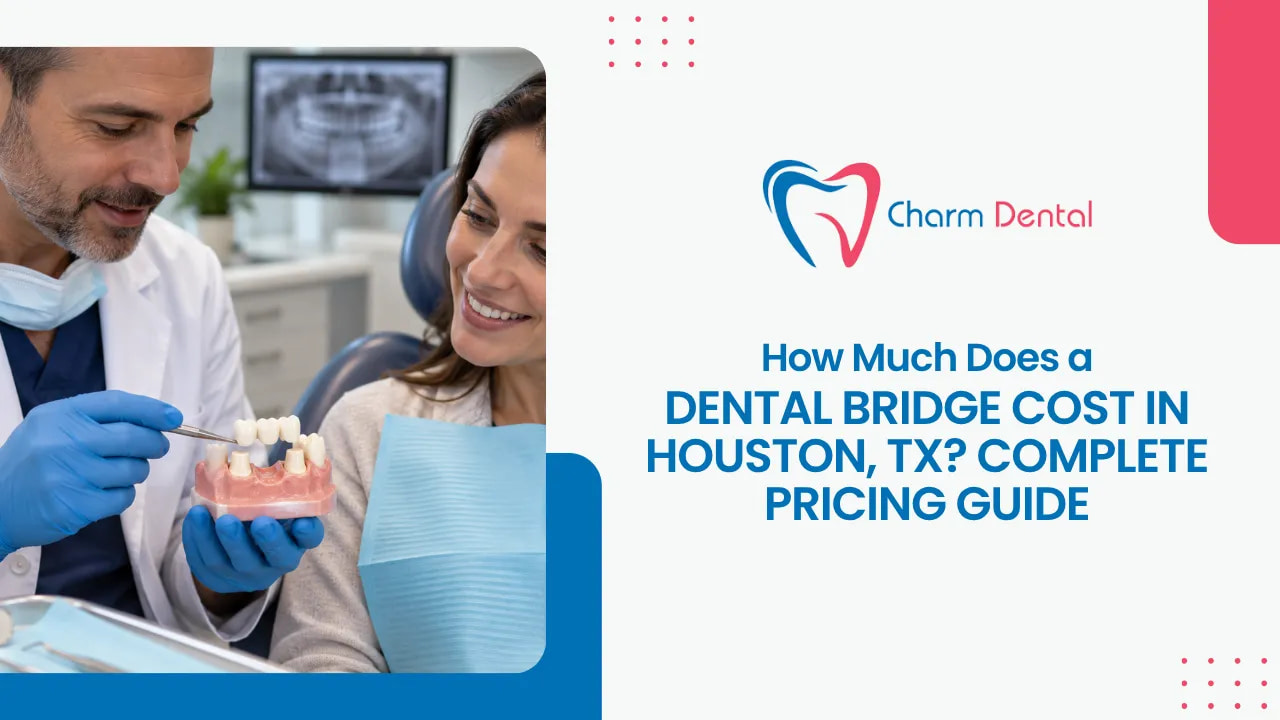
Missing teeth can affect your ability to chew comfortably, change the appearance of your smile, and allow nearby teeth to shift over time.
A dental bridge is a fixed restoration used to replace one or more missing teeth and restore the space between healthy teeth or dental implants.
If you are considering this option, one of your biggest questions is likely: How much does a dental bridge cost?
The dental bridge cost in Houston can vary depending on the type of bridge, number of teeth being replaced, materials used, condition of the supporting teeth, and whether additional dental treatment is needed.
Patients considering treatment at one of Charm Dental Care’s Houston-area locations should also keep in mind that dental insurance benefits can affect the final out-of-pocket cost.
This guide breaks down dental bridge costs in Houston, TX, including pricing factors, costs by bridge type, cost per tooth, insurance and no-insurance considerations, and how the cost of a dental bridge compares with a dental implant.
Key Takeaways
- A traditional 3-unit dental bridge in Houston may cost around $2,600–$5,800.
- The final cost depends on the bridge type, materials, number of units, and supporting teeth.
- Additional treatments, such as an extraction or root canal, can increase the total cost.
- Dental insurance may cover part of the cost, depending on your plan and benefits.
- Traditional bridges often have a lower upfront cost than dental implants.
- A dental exam is the best way to get an accurate cost estimate for your treatment.
Table of Contents
How Much Does a Dental Bridge Cost in Houston, TX?
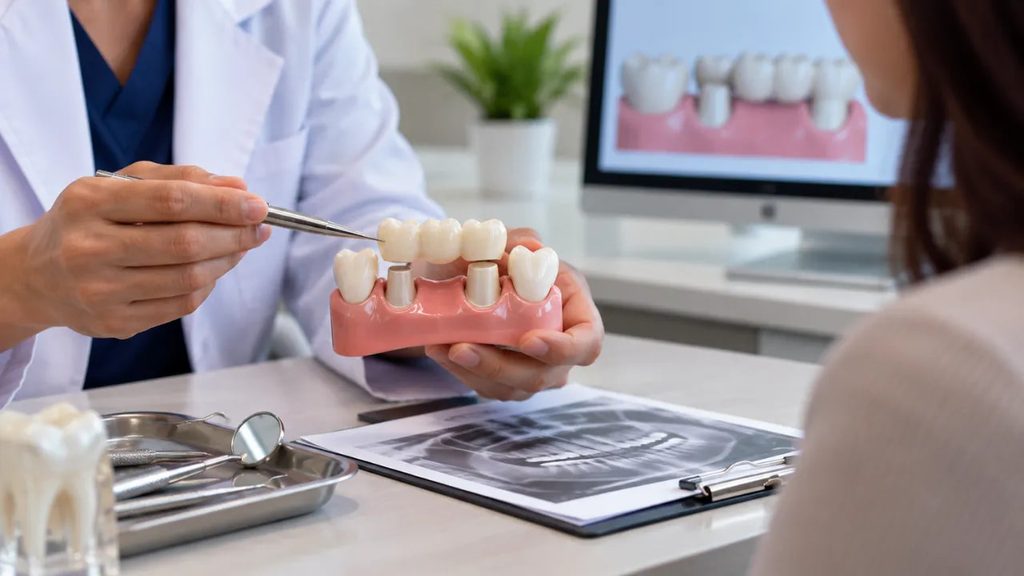
The dental bridge cost in Houston can vary considerably from one patient to another.
Your final price depends on the type of bridge, the number of teeth being replaced, the materials selected, and the condition of the teeth that will support the restoration.
According to the American Dental Association (ADA), a dental bridge can replace one or more missing teeth by using artificial teeth to bridge the space left by missing teeth.
Other options, including implant-supported bridges, use different support methods and may have different treatment costs.
The main factors that can affect your dental bridge cost include:
- Types of dental bridges: Traditional, cantilever, Maryland, and implant-supported bridges have different designs and treatment requirements.
- Number of teeth being replaced: Replacing multiple missing teeth may require a larger restoration, affecting the total cost.
- Materials used: Porcelain, ceramic, zirconia veneers, and other restorative materials can vary in price.
- Condition of supporting teeth: The neighboring teeth need to be healthy enough to support certain types of bridges.
- Additional treatment: An extraction, root canal, gum treatment, or other procedure may increase the overall treatment cost.
- Dental insurance: Your benefits, deductible, annual maximum, and coverage percentage can affect your out-of-pocket expense.
- Laboratory and customization needs: Because bridges are customized for your mouth, design and laboratory requirements can influence the final fee.
Because every case is different, a dental examination is the most reliable way to determine how much a dental bridge will cost for your specific needs and receive a personalized treatment estimate.
Read More: Dental Bridges in Houston: Types, Cost & Benefits Explained

What Factors Affect the Cost of a Dental Bridge?
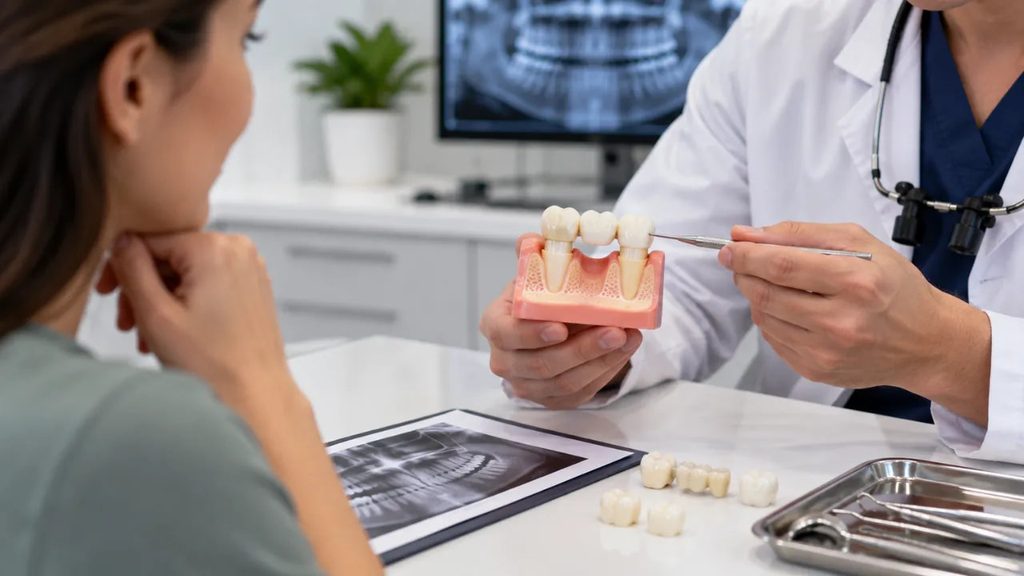
The dental bridge cost is not based on the missing tooth alone.
The design of the restoration, the health of the surrounding teeth, the materials used, and any treatment needed before the bridge is placed can all affect the final price.
1. Type of Dental Bridge
Traditional, cantilever, Maryland, and implant-supported bridges use different methods of support. Because the procedures, materials, and number of appointments can vary, the type of bridge recommended can significantly affect your total cost.
2. Number of Teeth Being Replaced
Replacing one missing tooth may require fewer bridge units than replacing several teeth. As the size and complexity of the restoration increase, the overall cost may also increase.
3. Materials Used
Dental bridges can be made from different restorative materials, including ceramic, porcelain-based materials, and zirconia. The material selected may depend on the location of the missing tooth, appearance, strength requirements, and your dentist’s recommendation.
4. Condition of the Supporting Teeth
For a traditional bridge, the neighboring teeth need to provide adequate support. If one of these teeth is damaged or infected, treatment may be necessary before the bridge can be placed.
For example, a tooth with significant infection may require root canal treatment before it can be restored.
5. Additional Treatments Needed
Your total cost can increase if other dental procedures are required before receiving the bridge. Depending on your oral health, these may include:
- Tooth extraction.
- Root canal treatment.
- Gum treatment.
- Treatment of decay or damaged supporting teeth.
- Bone grafting when implants are part of the treatment plan.
These additional procedures are not necessary for every patient. Your dentist will evaluate the teeth, gums, and supporting structures before recommending a treatment plan and estimating the total cost.
Read More: Choosing Your Dental Restoration
How Much Do Different Types of Dental Bridges Cost?
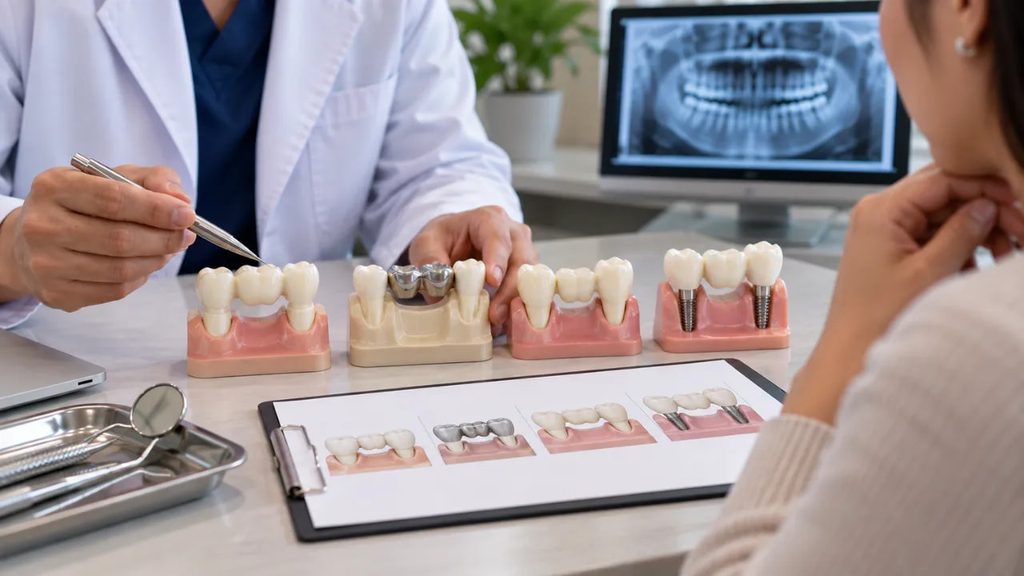
The type of bridge your dentist recommends can have a major impact on the overall dental bridge cost. Each option uses a different method of support and may involve different materials, procedures, and treatment steps.
1. Traditional Dental Bridge Cost
A traditional bridge is commonly used when healthy teeth are available on both sides of the missing tooth. These neighboring teeth are prepared for crowns, which support the replacement tooth between them.
The traditional dental bridge cost depends on the number of units in the bridge, materials selected, and whether the supporting teeth need treatment beforehand.
2. Cantilever Dental Bridge Cost
A cantilever bridge is supported by a natural tooth on only one side of the missing tooth. Because this design places additional pressure on the supporting tooth, it is suitable only for certain areas and situations.
Its cost can vary depending on the number of units, the restorative material, and the complexity of the case.
3. Maryland Dental Bridge Cost
A Maryland bridge generally uses a replacement tooth attached to a framework or wings that bond to the back of neighboring teeth. It usually requires less alteration of those teeth than a traditional bridge.
The final cost depends on the bridge material, design, location of the missing tooth, and laboratory requirements.
4. Implant-Supported Bridge Cost
Instead of relying on neighboring natural teeth, an implant-supported bridge is anchored by dental implants. This can make the implant-supported bridge cost higher because treatment may include implant placement, surgical procedures, healing time, and the final bridge.
Patients considering this option should also factor in the cost of the implants themselves.
Understanding why a single tooth implant can be expensive can help explain some of the additional costs involved in implant-supported restorations.
The right type of bridge is not determined by price alone. Your dentist will consider the location and number of missing teeth, condition of neighboring teeth, gum health, available bone, and long-term treatment goals before recommending an option.
Read More: Can a Dental Bridge Be Done on the Front Teeth?
Dental Bridge Cost Per Tooth: How Is It Calculated?
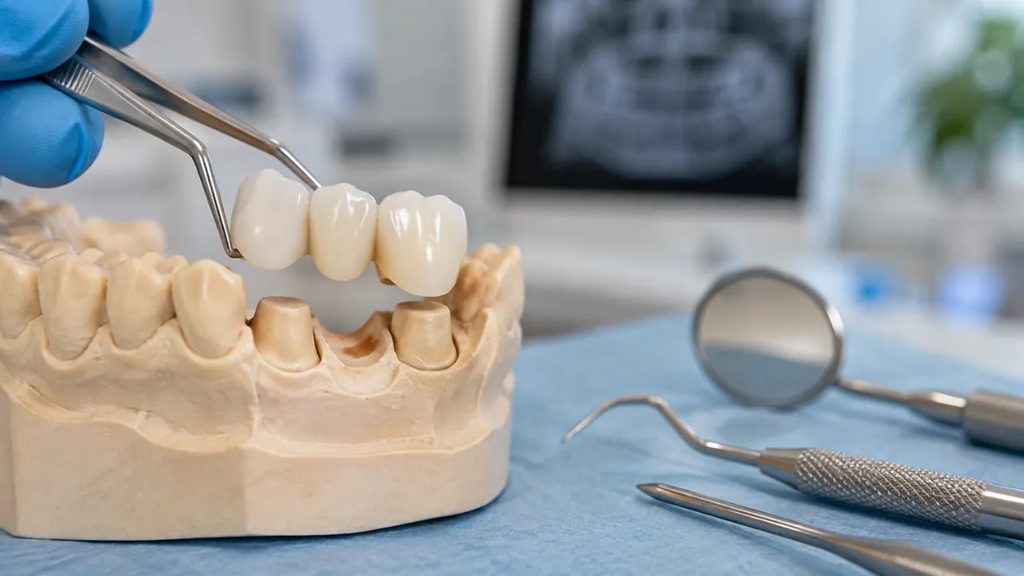
The dental bridge cost per tooth is not usually calculated as a simple price for each missing tooth. Instead, the total cost depends on the number of units needed to create and support the complete bridge.
For example, replacing one missing tooth with a traditional bridge may require three units: one replacement tooth and two crowns placed over the neighboring supporting teeth.
This means the cost reflects the entire three-unit restoration rather than only the single tooth being replaced.
Several factors can influence the calculation:
- Number of bridge units: A longer bridge generally requires more materials and laboratory work.
- Number of missing teeth: Replacing multiple teeth can change the size and design of the restoration.
- Supporting teeth: Natural teeth used to anchor the bridge may need preparation or additional treatment.
- Restorative material: The type of ceramic, porcelain, zirconia, or other material used can affect the total fee.
- Treatment complexity: The location of the bridge and individual bite or restorative needs may influence treatment.
- Additional procedures: Treatment needed before the bridge is placed can add to the overall cost.
This is why comparing dental bridges based only on a quoted “cost per tooth” can be misleading. A personalized treatment plan provides a clearer picture of the number of units required and the total cost of replacing a missing tooth.
Read More: Crowns vs. Bridges: What Is the Difference Between Them?
Dental Bridge Cost With Insurance
The cost of a dental bridge with insurance depends on your specific plan and benefits.
Dental insurance may cover a portion of the cost when a bridge qualifies as a covered restorative treatment, but patients may still have an out-of-pocket expense.
How much you pay can depend on:
- Coverage percentage: Your plan may cover a percentage of the approved cost, leaving you responsible for the remaining amount.
- Deductible: You may need to meet your deductible before certain restorative benefits begin.
- Annual maximum: If other dental treatments have already used part of your annual benefits, less coverage may be available for your bridge.
- Waiting period: Some plans have waiting periods before major restorative procedures are eligible for coverage.
- Plan limitations: Coverage may depend on when the tooth was lost, whether a replacement was previously provided, or other plan-specific rules.
- Network status: Your out-of-pocket cost may vary depending on whether your dentist is in your plan’s network.
Before treatment, reviewing your dental insurance benefits can help you understand what your plan may contribute and what portion of the dental bridge cost you may need to pay yourself.
Since every insurance policy is different, the best way to estimate your actual cost is to combine a personalized treatment plan with verification of your current benefits.
Read More: Do You Need Dental Insurance?
How Much Does a Dental Bridge Cost Without Insurance?
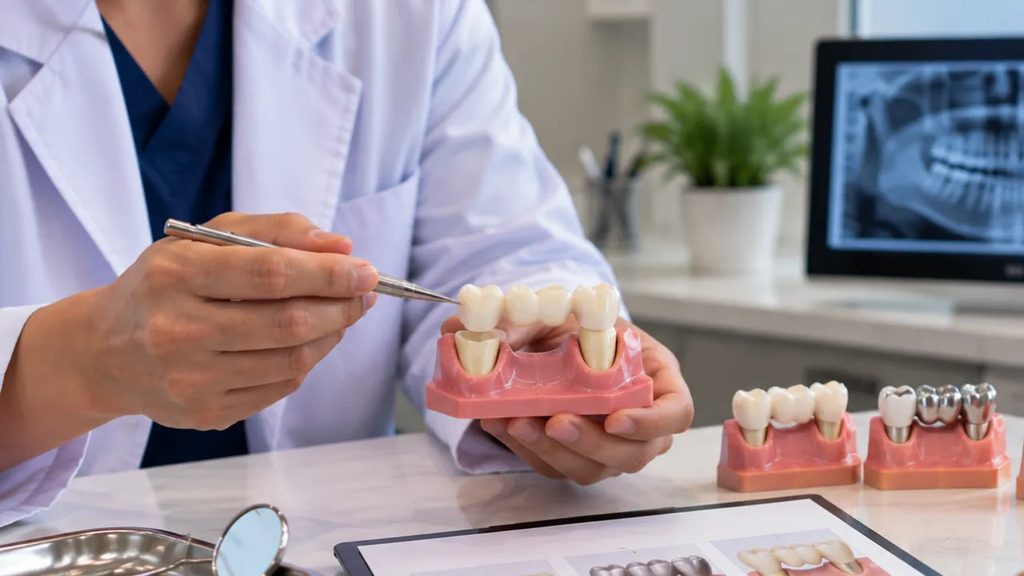
The dental bridge cost without insurance is generally paid out of pocket, so the total expense depends on your individual treatment plan.
The type of bridge, number of units, materials used, condition of the supporting teeth, and any additional procedures can all affect what you pay.
If you do not have dental insurance, consider the total treatment cost, not just the initial price of the bridge. Your estimate may include:
- Dental examination and diagnostic needs: Your dentist first needs to evaluate the missing tooth and surrounding structures.
- Bridge preparation and restoration: The cost can vary based on the type and number of bridge units required.
- Additional treatment: Tooth extraction, gum care, or root canal therapy, other procedures may be needed before the bridge is placed.
- Materials and laboratory work: The materials and customization required for your restoration can influence the final cost.
Paying the entire cost at once may not work for every budget. Charm Dental Care provides payment and financing options that patients can review when planning treatment without insurance.
Before choosing an affordable dental bridge in Houston, compare the complete treatment plan rather than focusing only on the lowest advertised price.
The goal is to understand what is included, what additional treatment may be required, and your expected total out-of-pocket cost.
Read More: Restorative Dentistry: Benefits and Cost Recovery
Dental Bridge vs. Dental Implant: Which Costs More?
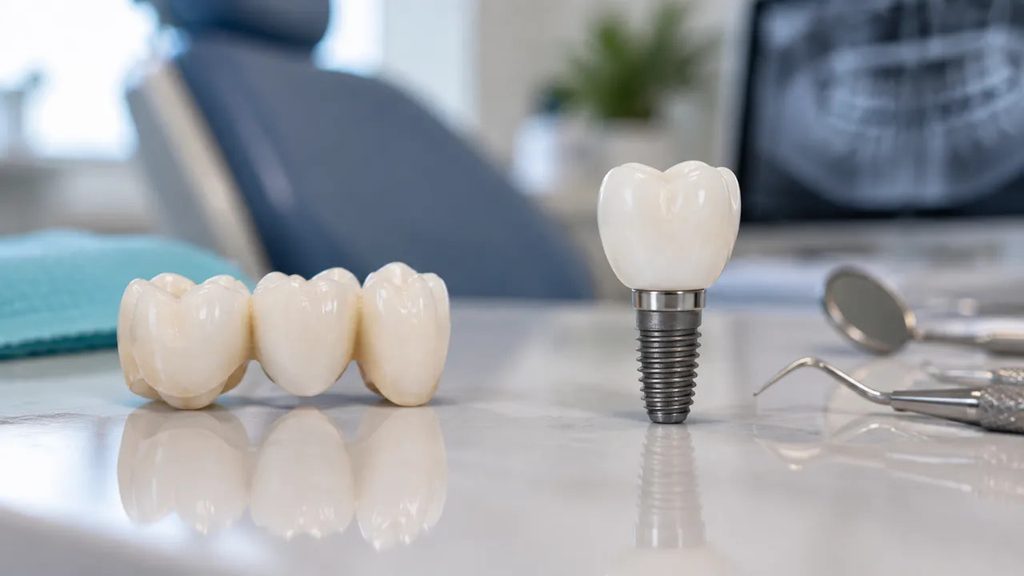
When comparing bridge vs. implant cost, a dental implant generally involves more treatment steps than a traditional bridge.
Implant treatment includes surgical placement of the implant, a healing period, and placement of the final restoration, while a traditional bridge is supported by neighboring teeth and does not require implant surgery.
However, the better option should not be chosen based on price alone.
| Factor | Dental Bridge | Dental Implant |
|---|---|---|
| Support | Usually supported by neighboring teeth | Supported by an implant placed in the jawbone |
| Surgery required | Usually no implant surgery | Requires surgical implant placement |
| Number of appointments | Often fewer treatment stages | Usually involves multiple treatment stages |
| Bone grafting | Generally not required for a traditional bridge | May be needed if there is insufficient bone |
| Upfront cost | Often lower than implant treatment | Often higher because of surgical and restorative steps |
| Neighboring teeth | May require preparation for crowns | Usually does not require preparing adjacent healthy teeth |
A traditional bridge can be a practical fixed solution when suitable supporting teeth are available. A dental implant replaces the missing tooth independently and may be considered when preserving neighboring teeth is an important treatment goal.
The total implant cost can also increase if additional procedures such as bone grafting are required. Patients comparing these options should consider treatment complexity, maintenance, oral health, and long-term suitability not just the initial fee.
If you are considering implant treatment, learning about the advantages of dental implants can help you better understand why they may be recommended in certain situations.
Your dentist can evaluate your remaining teeth, gums, bone support, bite, and treatment goals to determine whether a bridge or implant is the more appropriate option for replacing the missing tooth.
Read More: Dentures vs. Dental Implants
How Long Does a Dental Bridge Last?
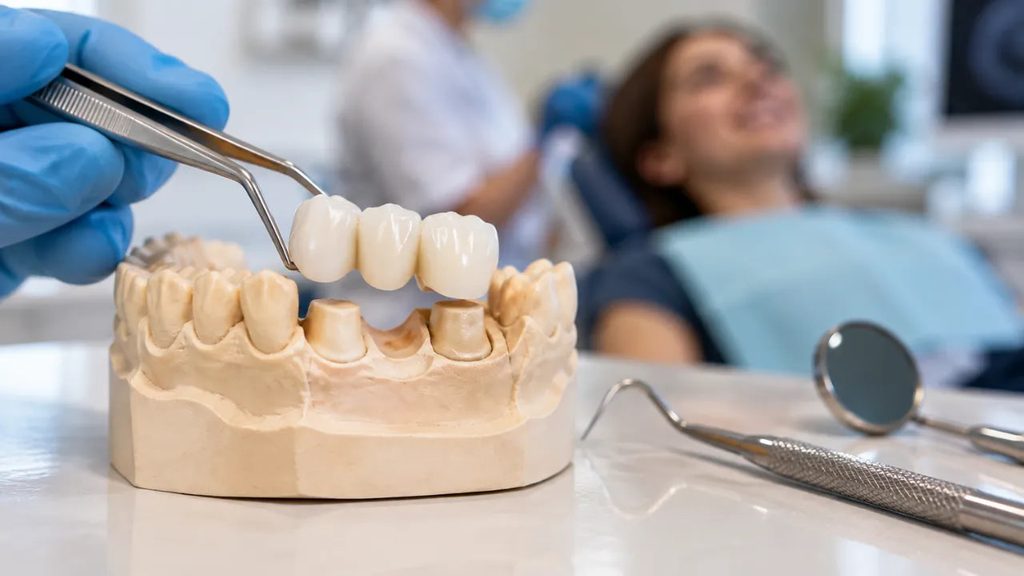
How long a dental bridge lasts can vary from patient to patient. Its longevity depends on the health of the supporting teeth and gums, the quality of daily oral hygiene, bite forces, eating habits, and regular dental care.
Several factors can affect the long-term condition of a bridge:
- Oral hygiene: Brushing and cleaning carefully around and underneath the bridge can help protect the supporting teeth and gums.
- Regular dental visits: Routine examinations allow your dentist to check the bridge, supporting teeth, and surrounding gum tissue for potential problems.
- Health of supporting teeth: Decay or other problems affecting the teeth that anchor a traditional bridge can compromise the restoration.
- Diet and habits: Frequently chewing very hard foods or objects can place unnecessary stress on the bridge.
- Teeth grinding or clenching: Excessive bite forces may increase wear or damage to the bridge over time.
- Normal wear: Like other dental restorations, a bridge can experience wear as it is used for biting and chewing.
Taking good care of your bridge and the teeth supporting it is therefore an important part of protecting your investment.
If a bridge becomes loose, uncomfortable, damaged, or difficult to clean, it should be evaluated rather than waiting for the problem to worsen.
Read More: Tips to Help Keep Your Teeth Clean Between Dental Cleanings
Dental Bridge Cost at a Glance
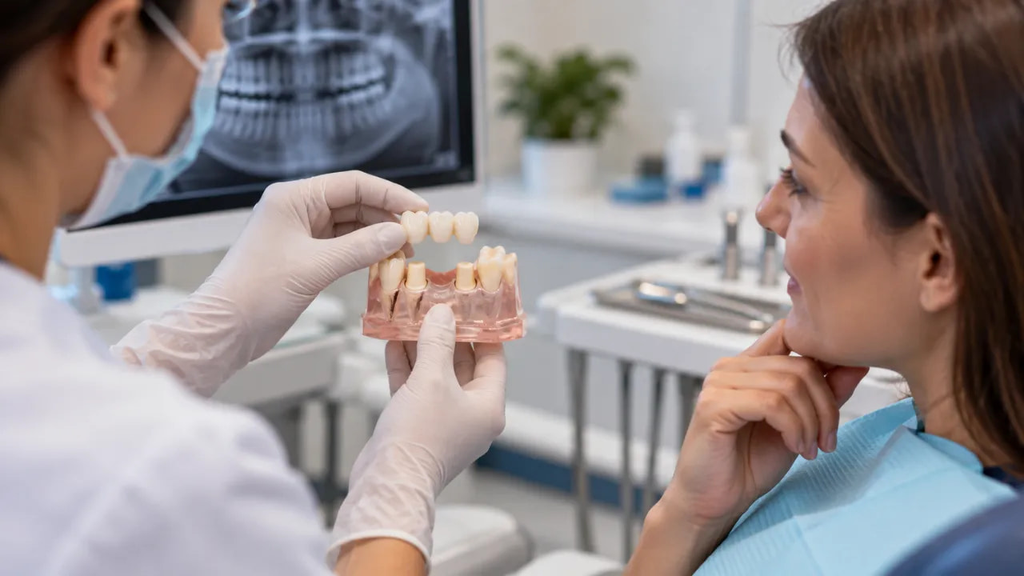
Here is a quick overview of typical dental bridge costs based on current Houston-area pricing:
| Dental Bridge Option | Typical Houston Cost Range* |
|---|---|
| Traditional 3-unit dental bridge | $2,600–$5,800 |
| Maryland bridge | $800–$2,000 |
| Implant-supported bridge | $3,500–$11,000+ |
| Dental bridge without insurance | Full treatment cost is generally paid out of pocket |
| Dental bridge with insurance | Varies by plan, deductible, annual maximum, and coverage |
Note– These are general Houston-area cost estimates, not guaranteed Charm Dental Care prices. Your actual dental bridge cost may be higher or lower depending on the type of bridge, number of teeth being replaced, materials used, condition of the supporting teeth, and any additional treatment required.

Is a Dental Bridge Worth the Cost?
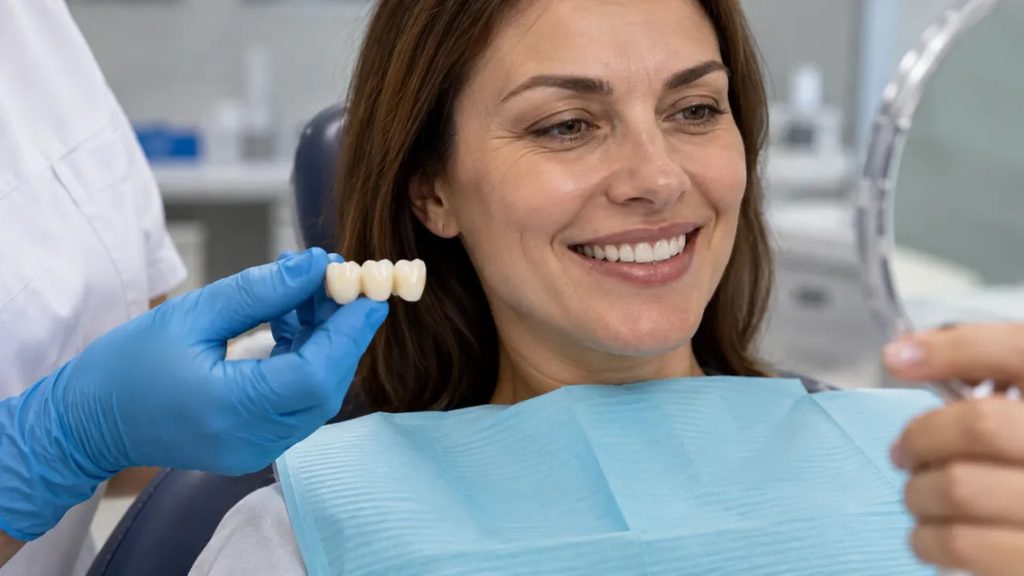
For many patients, a dental bridge can be worth the cost because it does more than fill an empty space. Replacing a missing tooth can improve chewing, restore the appearance of your smile, and help maintain a more balanced bite.
Potential benefits of a dental bridge include:
- Improved chewing: Replacing a missing tooth can make it easier to bite and chew comfortably.
- Restored smile: A custom bridge fills the visible gap left by missing teeth and helps restore a more complete smile.
- Better bite support: Replacing missing teeth can help distribute biting and chewing forces more effectively.
- Reduced tooth shifting: Teeth next to an empty space may gradually move toward the gap. Replacing the missing tooth can help maintain their position.
- Fixed tooth replacement: A bridge remains in place rather than being removed and reinserted like a removable appliance.
The value of a bridge ultimately depends on your oral health, the location and number of missing teeth, condition of the supporting teeth, and long-term treatment goals.
Understanding the broader benefits of restorative dentistry can also help explain why replacing missing teeth is about more than appearance alone.
Your dentist can compare the available tooth-replacement options and help determine whether a dental bridge provides the right balance of function, appearance, treatment requirements, and cost for your needs.
Read More: Choosing Your Dental Restoration
When Should You Consider a Dental Bridge?
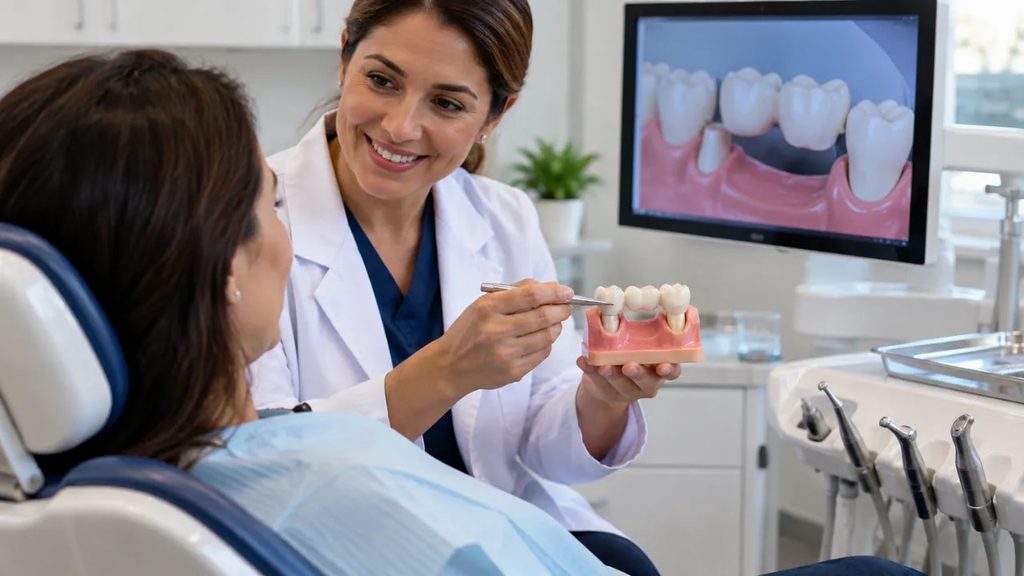
A dental bridge may be considered when one or more teeth are missing and you want a fixed replacement option.
The right choice depends on the location of the gap, the condition of the surrounding teeth, gum health, bone support, and your overall treatment goals.
You may be a candidate for a dental bridge if:
- You have one or more missing teeth: A bridge can fill the space and restore function in the area.
- Chewing has become uncomfortable: Missing teeth can make it harder to bite or chew evenly.
- You are concerned about a visible gap: A bridge can help restore the appearance of your smile.
- Nearby teeth are beginning to shift: Teeth beside an open space may move over time, which can affect your bite.
- You prefer a fixed restoration: Unlike a removable appliance, a bridge remains in place during normal daily use.
- You have suitable supporting teeth or implants: Traditional bridges rely on neighboring teeth, while implant-supported bridges use dental implants for support.
Because every missing-tooth situation is different, your dentist should evaluate the teeth, gums, bite, and available bone before recommending a bridge. In some cases, another restorative option may be more appropriate.
Read More: What Are Dental Implants and Why Is Replacing Teeth Crucial?
Find a Charm Dental Care Location Near You
Charm Dental Care provides dental care across several Houston-area communities. If you are considering a dental bridge, choose the location most convenient for your consultation, treatment, and follow-up care.
1.Charm Dental Care – Spring, TX
Charm Dental Care Spring, TX
Visit Charm Dental Care in Spring to discuss dental bridge options and receive a personalized treatment evaluation.
2.Charm Dental Care – Katy, TX
Charm Dental Care Katy, TX
Patients in Katy can visit Charm Dental Care in Katy for an evaluation of missing teeth and suitable tooth-replacement options.
3.Charm Dental Care – Richmond, TX
Charm Dental Care Richmond , TX
At Charm Dental Care in Richmond, patients can discuss dental bridges and other restorative solutions based on their individual oral health needs.
4.Charm Dental Care – Humble, TX
Charm Dental Care Humble, TX
Patients near Humble can visit Charm Dental Care in Humble to explore dental bridge treatment and receive a personalized cost estimate.
5.Charm Dental Care – Tomball, TX
Charm Dental Care Tomball , TX
Visit Charm Dental Care in Tomball to have your missing teeth, supporting teeth, and restorative treatment options evaluated.
Why Choose Charm Dental Care for Dental Bridges in Houston?
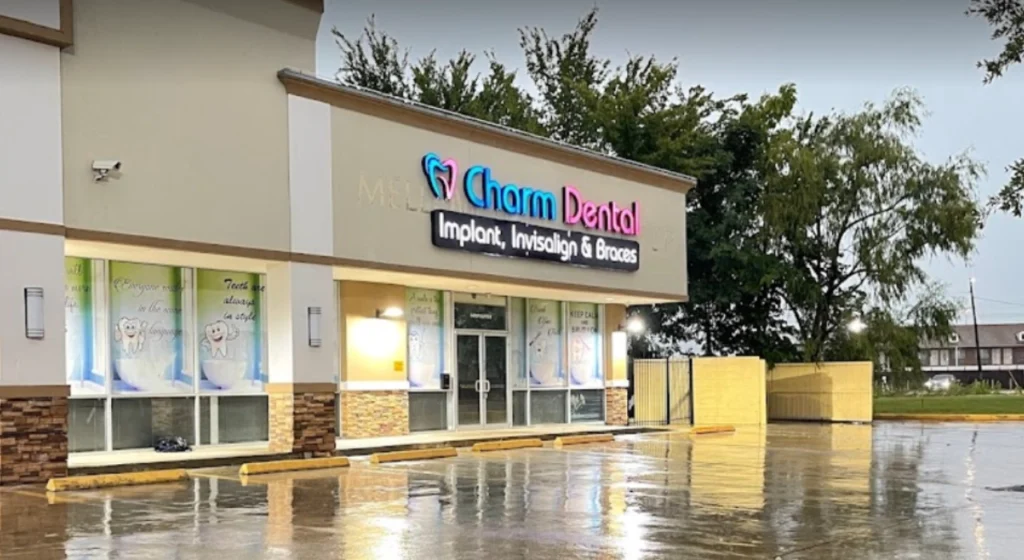
Choosing a dental bridge involves more than comparing prices. Your dentist needs to consider the health of your supporting teeth and gums, the location of the missing tooth, your bite, appearance goals, and overall treatment needs.
At Charm Dental Care, patients can receive personalized guidance when considering a dental bridge or other tooth-replacement option.
Here are a few reasons to consider Charm Dental Care:
- Personalized treatment planning: Your dentist evaluates your missing teeth and surrounding oral structures before recommending an appropriate restoration.
- Comprehensive dental care: If you need additional treatment before receiving your bridge, your overall dental needs can be included in the treatment plan.
- Insurance assistance: The team can help you understand applicable insurance benefits and estimated out-of-pocket costs.
- Payment and financing options: Available financial options can help patients plan for the cost of restorative dental treatment.
- Patient-focused care: Treatment options, expected procedures, and costs can be discussed before you move forward with care.
If you are ready to find out whether a bridge is right for you, book an appointment for a personalized evaluation and dental bridge cost estimate.
You Might Also Like
- Everything You Need to Know About Crowns and Bridges
- Restorative Dentistry & Types of Dental Restoration
- Are Dental Crowns Right for You?

Get a Personalized Dental Bridge Cost Estimate in Houston
The dental bridge cost in Houston depends on the type of bridge, the number of teeth being replaced, the materials used, the condition of the supporting teeth, insurance benefits, and whether additional dental treatment is needed.
While general Houston pricing can help you understand what to expect, the most accurate way to determine how much a dental bridge will cost is through a personalized dental evaluation.
Charm Dental Care can evaluate your missing teeth, supporting teeth, gums, bite, and overall oral health to determine which tooth-replacement option may be appropriate for you. Your treatment plan can then provide a clearer estimate of the expected cost and any additional procedures that may be required.
Ready to take the next step? Contact Charm Dental Care to discuss your dental bridge options and personalized treatment estimate.
FAQs ( Frequently Asked Questions)
Q1. How Much Does a Dental Bridge Cost in Houston?
The dental bridge cost in Houston varies depending on the type of bridge, number of units, materials, condition of the supporting teeth, and additional treatment required. Houston-area pricing for a traditional 3-unit bridge may fall around $2,600–$5,800, but your actual cost can be higher or lower based on your treatment plan.
Q2. How Much Does a Dental Bridge Cost Without Insurance?
The dental bridge cost without insurance is generally paid out of pocket. Your total will depend on the bridge design, number of units, restorative materials, laboratory work, and whether you need procedures such as an extraction or root canal before receiving the bridge.
Q3. Does Dental Insurance Cover a Dental Bridge?
Dental insurance may contribute toward a bridge when it qualifies as a covered restorative treatment. Your actual benefits depend on your plan’s coverage percentage, deductible, annual maximum, waiting periods, network requirements, and other limitations. Patients without traditional coverage can also review Charm Dental Care’s membership plan to understand another option for managing dental care expenses.
Q4. How Much Does a Dental Bridge Cost Per Tooth?
The dental bridge cost per tooth is not always a simple per-tooth calculation. Replacing one missing tooth with a traditional bridge, for example, may require three units: the replacement tooth plus two supporting crowns. The total cost therefore reflects the complete restoration.
Q5. Is a Dental Bridge Cheaper Than a Dental Implant?
A traditional dental bridge often has a lower upfront cost than an implant because it does not require surgical implant placement. However, cost should not be the only consideration. The condition of neighboring teeth, available bone, treatment time, maintenance, and long-term suitability should also influence the decision.
Q6. How Long Does a Dental Bridge Last?
There is no single lifespan that applies to every dental bridge. Longevity can depend on oral hygiene, health of the supporting teeth and gums, bite forces, grinding or clenching, eating habits, and regular dental care.
Q7. What Is the Cheapest Way to Replace a Missing Tooth?
The least expensive option depends on your individual dental needs. Removable and fixed tooth-replacement options have different costs, benefits, and limitations. Learning about the different types of dental restorations can help you understand the available approaches before comparing cost alone.
Q8. Is a Dental Bridge Worth the Cost?
A dental bridge may be worth the investment for patients who want a fixed way to replace missing teeth. It can help restore chewing function, improve smile appearance, support the bite, and reduce movement of nearby teeth into the empty space.
Q9. How Many Teeth Can a Dental Bridge Replace?
A dental bridge can be designed to replace one or more missing teeth, but the appropriate number depends on the location of the gap, the strength of the supporting teeth or implants, bite forces, and overall oral health. Your dentist must evaluate these factors before determining whether a bridge is suitable.