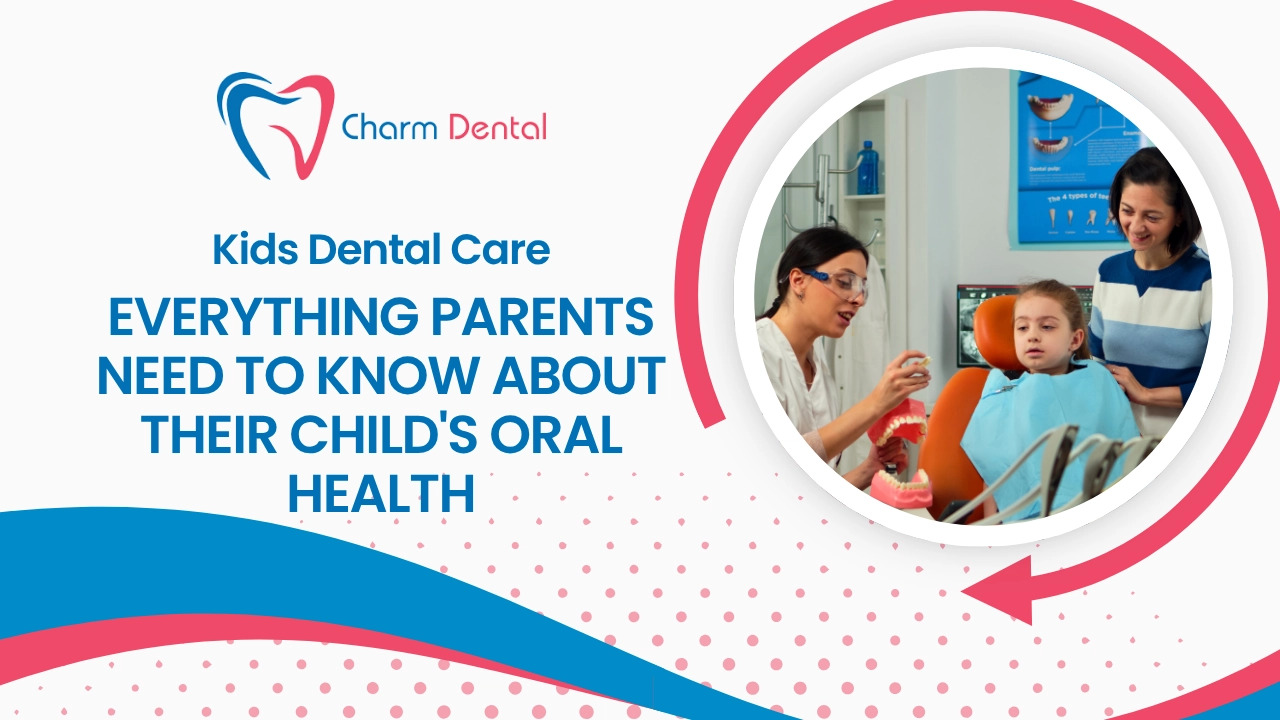
A healthy smile starts long before a child gets all their adult teeth. From the first baby tooth to the first dental visit, every small habit helps protect your child’s comfort, confidence, and long-term oral health.
Good kids’ dental care is about more than brushing twice a day. Children need healthy eating habits, regular dental checkups, early cavity prevention, and gentle guidance from parents. When oral health is ignored, small problems like plaque, sensitivity, or tooth decay can quickly turn into pain, infection, missed school days, and stressful dental visits.
That is why early children’s dental care matters so much. With the right routine at home and regular pediatric dental visits, parents can help their children build strong teeth, healthy gums, and a positive attitude toward dental care.
At Charm Dental Care, families can find gentle, friendly, and preventive dental care for children in a comfortable setting.
This guide covers everything parents should know about baby teeth, infant dental care, cavity prevention, fluoride treatments, dental sealants, and the right time for a child’s first dental visit.
Key Takeaways
- Kids’ dental care should start early, even before all baby teeth come in.
- Baby teeth help children chew, speak, smile, and make space for adult teeth.
- A child should visit the dentist by their first birthday or within six months after the first tooth appears.
- Daily brushing, flossing, healthy food habits, and water can help prevent cavities in children.
- Fluoride treatments and dental sealants can give children extra protection against tooth decay.
- Parents should book a dental checkup if their child has tooth pain, bleeding gums, bad breath, or tooth discoloration.
- Regular pediatric dental visits help children feel more comfortable and confident about dental care.
Table of Contents
Why Kids’ Dental Care Matters?

Kids’ dental care plays a bigger role in a child’s daily life than many parents realize. Healthy teeth help children eat comfortably, speak clearly, smile confidently, and avoid dental pain that can affect school, sleep, and mood.
Early care also helps children become familiar with the dentist before a serious problem arises. When dental visits feel normal from a young age, children are more likely to feel calm and confident during future appointments.
Charm Dental Care Spring
Parents looking for a friendly family dentist in Spring, TX, can turn to Charm Dental Care for gentle preventive support and routine dental care for children.
The Link Between Oral Health and Overall Health
A child’s mouth is closely connected to their overall health. Tooth pain can make it harder to chew healthy foods.
Gum irritation can cause discomfort while brushing. Cavities can disturb sleep, affect focus, and make everyday activities harder for children.
Good oral health for kids supports:
- Better eating habits: Healthy teeth help children chew fruits, vegetables, grains, and other important foods comfortably.
- Clearer speech development: Teeth play a role in how children form sounds and speak as they grow.
- Improved confidence: A healthy smile can help children feel more comfortable while talking, laughing, and meeting others.
- Fewer painful dental issues: Early care lowers the chances of untreated cavities, swelling, and emergency dental visits.
Why Early Dental Care Is Important
Early dental care helps parents understand what is normal, what needs attention, and how to protect their child’s teeth at each stage. It also gives the dentist a chance to spot small concerns before they become painful or expensive.
A child’s first few visits are not only about checking teeth. They also help build trust. Children learn that the dental office is a safe place, and parents get simple guidance on brushing, food habits, fluoride, thumb sucking, teething, and cavity prevention.
Benefits of Preventive Dental Care for Children
Preventive dental care focuses on protecting your child’s smile before problems begin.
| Preventive Care Step | How It Helps Children |
| Routine dental exams | Helps catch cavities, gum issues, and growth concerns early. |
| Professional cleanings | Removes plaque buildup that brushing may miss at home. |
| Fluoride treatment | Helps strengthen enamel and protect teeth from cavities. |
| Dental sealants | Adds protection to back teeth where food often gets trapped. |
| Parent guidance | Helps families build better brushing, flossing, and food habits. |
With regular checkups and strong home care, parents can help children avoid many common dental problems and build habits that stay with them for life.

Baby Teeth Care: Building Healthy Smiles From the Start

Baby teeth may be temporary, but they play a big role in your child’s growth. They help with chewing, speech, smile confidence, and the proper spacing for adult teeth.
This is why baby tooth care should start as soon as the first tiny tooth appears.
Many parents think dental care becomes important only after permanent teeth come in. In reality, cavities in baby teeth can cause pain, infection, eating trouble, and early tooth loss.
With simple home habits and regular dental visits, parents can protect their child’s smile from the very beginning.
Charm Dental Care Katy
For families looking for gentle children’s dental care, Charm Dental Care’s dentist office in Katy, TX offers a friendly setting where children can feel comfortable during their visits.
Why Baby Teeth Are Important
Baby teeth guide your child’s early oral development. They help children bite, chew, speak, and smile without discomfort.
They also hold space for permanent teeth. If a baby tooth is lost too early because of decay, the nearby teeth may shift, which can affect how adult teeth come in later.
Strong baby teeth also help children feel confident. When kids can eat, talk, and smile without pain, daily life becomes easier for them and less stressful for parents.
Caring for Baby Teeth at Home
Good baby teeth care does not need to feel complicated. Parents can begin with a few steady habits:
- Brush twice a day: Use a soft toothbrush and gently clean every visible tooth.
- Use the right amount of toothpaste: For children under 3, use a tiny smear of fluoride toothpaste. For children ages 3 to 6, use a pea-sized amount.
- Clean before bedtime: Night brushing is especially important because plaque and sugar can sit on teeth while your child sleeps.
- Offer water often: Water helps rinse the mouth after snacks and meals.
- Help with brushing: Young children usually miss the back teeth and gumline, so parent supervision is important.
Common Mistakes Parents Should Avoid
Small habits can quickly affect a child’s teeth. Parents should try to avoid:
- Bedtime bottles with milk or juice: Sugary liquids can stay on teeth overnight and increase cavity risk.
- Too much juice during the day: Frequent sipping gives bacteria more chances to create acid in the mouth.
- Skipping dental visits: Baby teeth need professional care even though they will fall out later.
- Letting kids brush alone too early: Most young children need help until they can brush properly.
- Ignoring early tooth spots: White, brown, or dark spots may be early signs of decay and should be checked by a dentist.
Healthy baby teeth create the first foundation for lifelong oral health. With the right home routine and regular dental checkups, parents can help children avoid pain, cavities, and stressful dental problems later.
Also Read: Using the Tooth Fairy to Protect Baby Teeth
Infant Dental Care Tips Every Parent Should Know
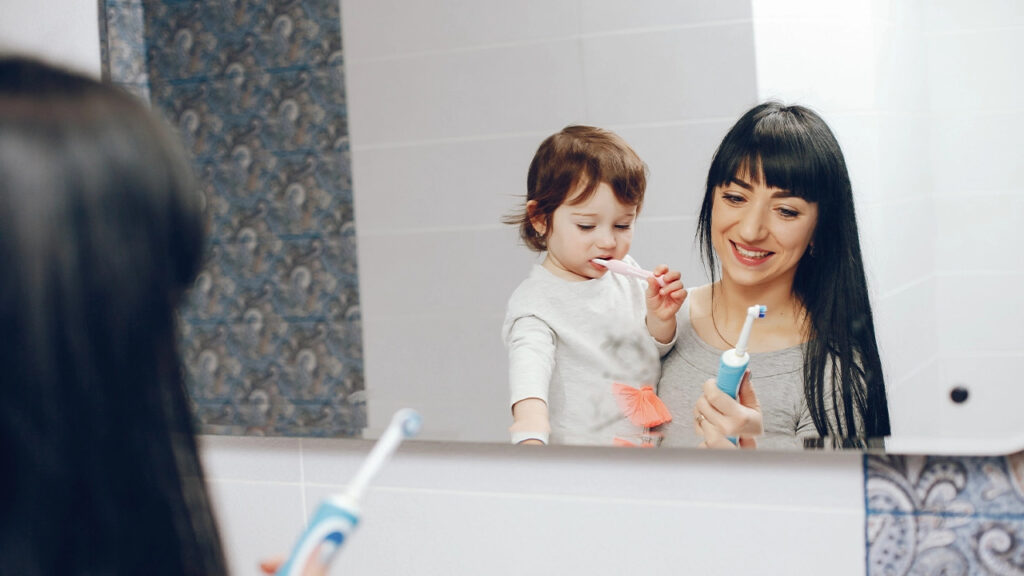
Infant dental care starts before your baby’s first tooth comes in. A clean mouth, healthy feeding habits, and early dental guidance can help protect your child from early cavities and gum discomfort.
Oral Care Before the First Tooth Appears
Before teeth appear, your baby’s gums still need care. Milk, formula, and bacteria can sit in the mouth, so gentle cleaning helps keep the gums fresh and healthy.
What parents can do at this stage:
- Clean your baby’s gums once or twice a day with a soft, damp cloth.
- Use gentle pressure and wipe along the gums after feeding.
- Avoid putting your baby to sleep with a bottle of milk, formula, or juice.
- Never dip pacifiers in sugar, honey, or sweet liquids.
This early routine helps your baby get used to cleaning their mouth before brushing becomes part of the day.
Teething and Oral Hygiene
Teething can make babies fussy, uncomfortable, and drooly. Some babies may want to chew on things often, while others may have tender gums.
During this stage, oral care should stay simple and gentle. A clean, chilled teething ring can help soothe sore gums. Parents can also gently rub the gums with a clean finger or soft cloth.
Once the first tooth appears, start brushing with a baby-sized soft toothbrush. Use only a tiny smear of fluoride toothpaste and brush gently around the tooth and gumline.
Preventing Early Childhood Cavities
Early childhood cavities can happen when teeth are exposed to sugar too often, especially through bottles, juice, sweet snacks, or frequent sipping.
A few small changes can protect your baby’s first teeth:
- Instead of bedtime bottles: Feed before sleep, then gently clean the gums or teeth.
- Instead of juice in a bottle: Offer water when your baby is old enough for it.
- Instead of frequent sipping, keep milk and formula to feeding times when possible.
- Instead of waiting for pain, plan your child’s first dental visit early, so a dentist can check development and guide you.
Healthy habits during infancy make the next stage of dental care much easier. When babies get used to clean gums, gentle brushing, and early dental visits, parents can build a stronger foundation for lifelong oral health.
Charm Dental Care Richmond
For parents seeking gentle support for their baby’s oral health, Charm Dental Care offers family-focused care at its Richmond, TX, dental office and other nearby locations.
Also Read: Importance of Dental Care for Babies
When Should Your Child Have Their First Dental Visit?
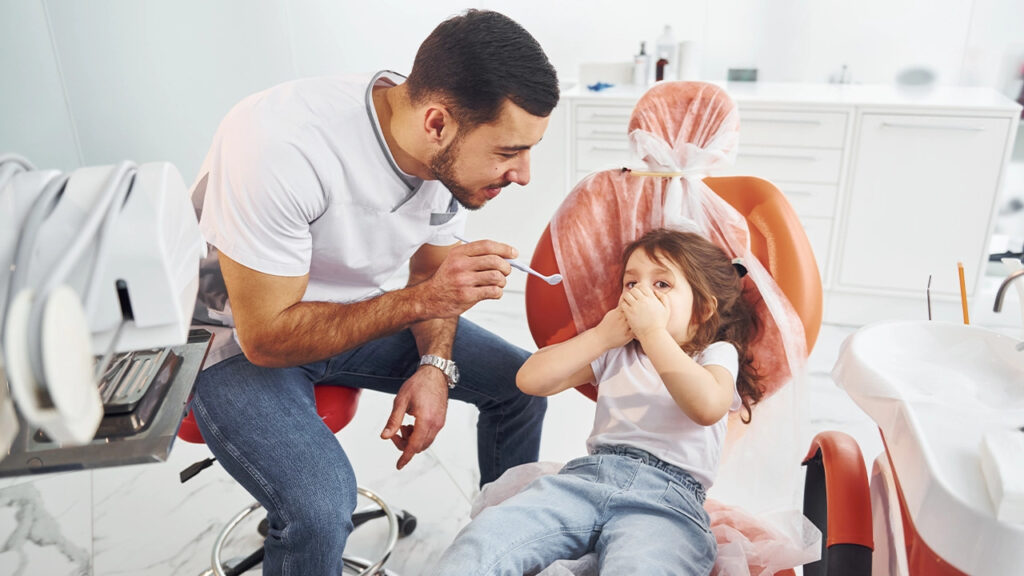
Many parents wait until their child has several teeth before booking a dental appointment. But your child’s first visit should usually happen much earlier, by their first birthday or within 6 months of the first tooth appearing.
This early visit is not about big treatment. It is mainly about monitoring growth, identifying early signs of cavities, and helping parents understand how to care for their child’s teeth at home.
Recommended Age for a First Dental Visit
Parent question: “Is age one really necessary?”
Yes, age one is a good time for your child’s first dental visit. Even one or two baby teeth can develop cavities if they are exposed to milk, juice, snacks, or poor brushing habits too often.
A dentist can check how the teeth and gums are developing and guide parents on simple topics such as brushing, teething, pacifier use, bottle habits, and fluoride toothpaste.
What Happens During the Appointment
Parent question: “Will my child need treatment?”
Most first visits are simple. The dentist gently checks your child’s mouth, looks for early signs of decay, and answers parents’ questions.
The appointment may include:
- A quick tooth and gum check to see how your child’s mouth is developing.
- A cavity risk review based on feeding habits, brushing routine, snacks, and bedtime bottles.
- Simple home care guidance so parents know how much toothpaste to use and how often to brush.
- A comfort-focused introduction to help your child become familiar with the dental office.
The main goal is to make the visit positive, calm, and useful for both the child and the parent.
Charm Dental Care Humble
At Charm Dental Care, children are welcomed in a calm and friendly setting. Parents can visit the Humble, TX, dental office or any nearby Charm Dental Care location for gentle family dental care.
How to Prepare Your Child
Parent question: “How do I stop my child from feeling scared?”
Keep the conversation simple and positive. Tell your child that the dentist will look at their smile and count their teeth. Avoid words that may create fear, such as pain, shot, drill, or hurt.
Before the visit, you can read a children’s book about the dentist, play pretend dental checkup at home, or let your child bring a favorite toy for comfort.
A good first visit can help your child feel safe around dental care from the beginning. When children meet the dentist before there is pain or a dental emergency, future visits often feel much easier.

Common Dental Problems in Children
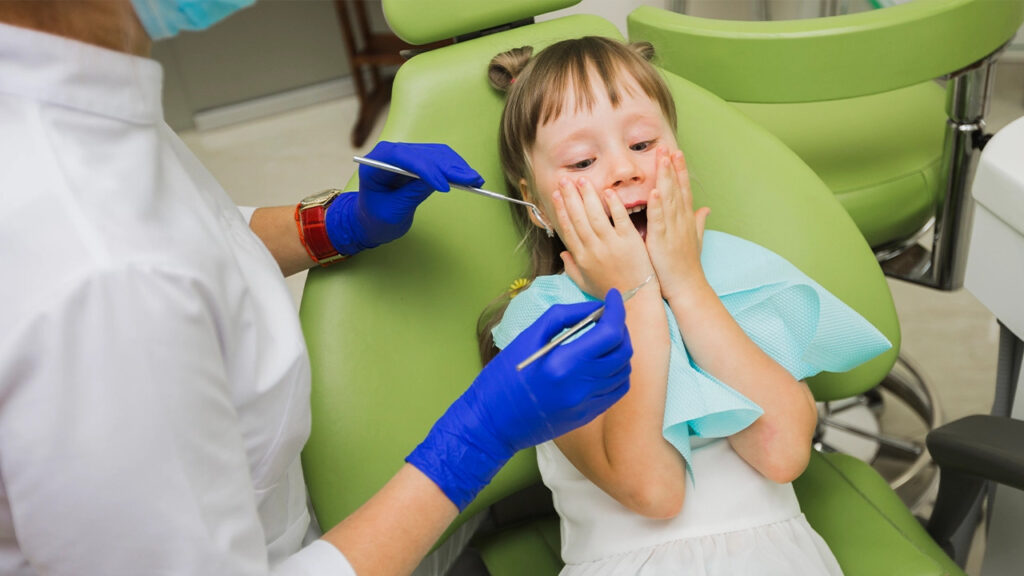
Even with regular brushing, children can still face dental problems as their teeth, gums, and habits develop. Regular children’s dental care helps parents catch these concerns early and avoid pain, infection, or emergency visits.
Cavities and Tooth Decay
Cavities are one of the most common dental problems in children. They may appear as tooth pain, sensitivity, white spots, brown spots, or difficulty chewing.
Parents should watch for:
- Pain while eating.
- Sensitivity to cold or sweet foods.
- Dark spots on teeth.
- Bad breath.
- Complaints during brushing.
Early treatment can stop the cavity from getting worse.
Gum Health Concerns
Healthy gums should not bleed during regular brushing. If your child’s gums look red, swollen, or tender, plaque may be building up near the gumline.
Thumb Sucking and Pacifier Habits
Thumb sucking and pacifier use are common in young children. But if these habits continue for too long, they may affect tooth alignment, bite development, or jaw growth.
Dental Injuries and Emergencies
Falls, sports, and playtime accidents can lead to chipped, broken, or knocked-out teeth. Parents should act quickly if a child has:
- A broken tooth.
- A loose tooth after injury.
- Bleeding from the mouth.
- Swelling near the jaw or gums.
- Severe tooth pain.
Quick dental care can help protect the tooth and reduce the risk of further damage.
Preventing Cavities in Toddlers and Young Children

Preventing cavities in toddlers starts with small daily habits. Brushing, food choices, water, and regular dental visits all work together to protect your child’s teeth.
Families without dental insurance can also explore Charm Dental Care’s dental membership plan for routine care support.
1. Proper Brushing Techniques
Use a soft toothbrush and brush your child’s teeth twice a day.
For toddlers, parents should brush first, then let the child “practice” after. This keeps the teeth clean while helping kids build confidence.
2. Flossing Habits for Kids
Start flossing when two teeth touch. Food can get trapped between teeth, and a toothbrush cannot always clean those tight spaces.
Parents can use kid-friendly floss picks to make the routine easier.
3. Limiting Sugary Snacks and Drinks
Cavities often develop when sugar stays on teeth too often during the day.
Try to limit:
- Juice.
- Candy.
- Soda.
- Sticky snacks.
- Sweet biscuits.
- Frequent grazing between meals.
Water is usually the best drink between meals.
Understanding Fluoride Treatment for Kids

Fluoride treatment for kids is a simple preventive dental care option that helps protect teeth from cavities. It is often recommended for children who are still learning proper brushing habits or who are at higher risk of tooth decay.
Parents can also ask about preventive care costs and flexible payment options through Charm Dental Care.
What Is Fluoride?
Fluoride is a natural mineral that helps strengthen tooth enamel. Enamel is the outer layer of the tooth, and stronger enamel is better at fighting acid, plaque, and early cavity damage.
Benefits of Fluoride for Children’s Teeth
Fluoride can help:
- Strengthen weak areas of enamel.
- Lower the risk of cavities.
- Protect teeth between dental visits.
- Support children who are still improving their brushing routine.
Is Fluoride Treatment Safe?
Yes, fluoride treatment is safe for children when it is recommended and applied by a dentist. The dentist uses the right amount based on your child’s age, oral health, and cavity risk.
Dental Sealants for Kids: Added Protection Against Cavities
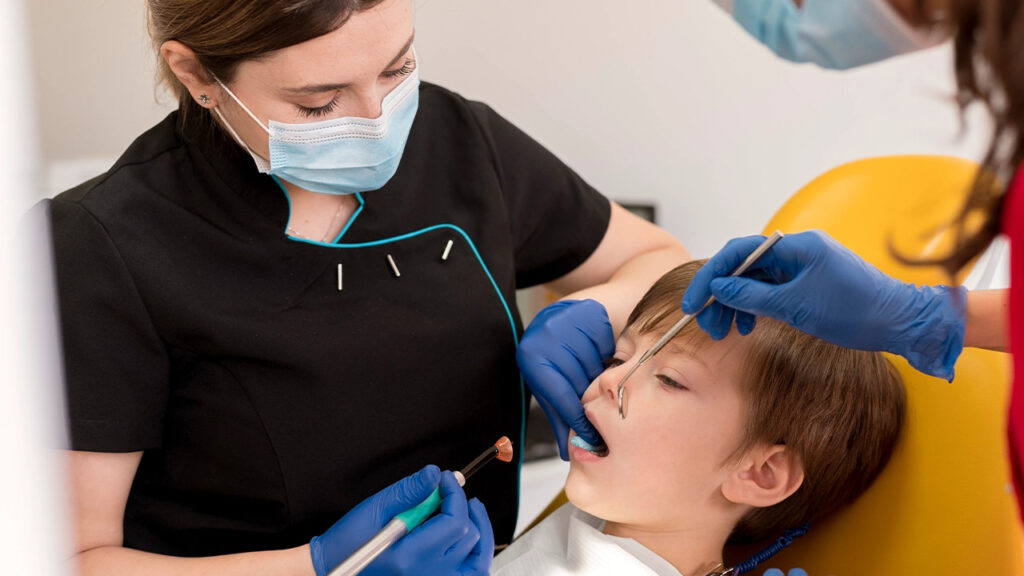
Dental sealants for kids give extra protection to the back teeth, where cavities often start. These teeth have small grooves that can trap food and bacteria, even when children brush every day.
Parents can also check Charm Dental Care’s current dental offers when planning preventive dental visits for their child.
1. What Are Dental Sealants?
Dental sealants are thin protective coatings placed on the chewing surface of the back teeth. They create a smooth layer over the grooves of the teeth, making them easier to keep clean.
2. How Dental Sealants Work
Sealants act like a shield. They help keep food particles, plaque, and bacteria from settling into deep tooth grooves.
This is especially helpful for children because back teeth can be harder for them to brush properly.
3. When Children Should Get Sealants
Children often get sealants when their permanent molars come in. A dentist may recommend them if your child has deep tooth grooves, frequent cavities, or a higher risk of tooth decay.
Sealants do not replace brushing, flossing, or dental checkups, but they can add strong protection during the cavity-prone years.
Daily Oral Health Habits for Kids

Good oral health for kids depends on simple habits repeated every day. Brushing, flossing, smart food choices, and a positive routine can make dental care feel normal instead of stressful.
A fun brushing routine becomes easier when parents keep small reminders around the home. You can also find simple family dental care tips through Charm Dental Care’s social media updates.
| Daily Habit | What Parents Can Do | Why It Helps |
| Choose the right toothbrush | Use a soft-bristled toothbrush with a small head that fits your child’s mouth. | It helps clean teeth gently without hurting the gums. |
| Use the right toothpaste | Pick fluoride toothpaste and use the correct amount for your child’s age. | It supports enamel strength and helps protect against cavities. |
| Brush twice daily | Brush once in the morning and once before bedtime. | It removes plaque before it can damage the teeth. |
| Add flossing when teeth touch | Help your child floss between tight teeth once a day. | It cleans areas a toothbrush cannot reach. |
| Offer tooth-friendly foods | Choose fruits, vegetables, cheese, yogurt, nuts, and plenty of water. | These foods support stronger teeth and healthier gums. |
| Limit sticky sweets | Reduce candy, gummies, cookies, and sugary drinks. | Sticky sugar can stay on teeth and raise cavity risk. |
| Make brushing fun | Use a song, timer, sticker chart, or colorful toothbrush. | A fun routine helps children cooperate more easily. |
Signs Your Child May Need a Dental Checkup

Some dental problems in children start quietly. A small change in eating, brushing, breath, or tooth color can be an early sign that your child needs a dental visit.
If parents delay a checkup due to uncertainty about coverage, Charm Dental Care also helps families understand their dental insurance options.
1. Tooth Pain or Sensitivity
If your child complains about pain while eating, drinking, or brushing, it should not be ignored. Sensitivity to cold, sweet, or hot foods may point to a cavity, enamel wear, or gum irritation.
2. Bleeding Gums
Gums should not bleed during normal brushing. Bleeding, redness, or swelling may mean plaque is building up near the gumline or that your child is brushing too hard.
3. Persistent Bad Breath
Bad breath after certain foods is normal. But if your child has bad breath even after brushing, it may be linked to plaque, cavities, dry mouth, or gum concerns.
4. Visible Tooth Discoloration
White spots, brown marks, black areas, or visible holes can be signs of early tooth decay. A dentist can check the tooth and treat the issue before it becomes painful.
When parents notice these signs early, dental care is usually simpler and less stressful for the child.
Also Read: 3 Reasons Not to Skip a Dental Checkup
Why Parents Choose Charm Dental Care for Pediatric Dentistry?

Choosing a dentist for your child is about comfort, trust, and the feeling that your child will be treated with patience.
Charm Dental Care focuses on gentle children’s dental care that helps families feel supported from the first visit onward. Our experienced dental team is committed to creating positive experiences for children and families. Learn more about our approach to patient care.
1. Child-Friendly Environment
A child’s dental experience should feel calm, friendly, and safe. We work to make visits easier for children who may feel nervous, shy, or unsure about the dentist.
2. Personalized Dental Care for Every Child
Every child has different habits, comfort levels, tooth development, and cavity risks. The dental team guides parents based on the child’s age, oral health, and daily routine.
3. Focus on Preventive Dentistry
Prevention is a major part of pediatric dentistry. Regular exams, teeth cleanings, fluoride guidance, sealants, and brushing advice can help children avoid painful dental problems later.
4. Comfortable and Stress-Free Visits
Positive dental visits can shape how children feel about oral care as they grow. Charm Dental Care focuses on making each appointment simple, gentle, and reassuring for both kids and parents.

You Might Also Like
- Tips to Prepare Kids for Their First Visit to the Dentist
- Dental Care for Kids
- 4 Key Guidelines to Help You Select the Best Pediatric Dentistry for Your Child
Conclusion
Healthy dental habits during childhood can protect your child from cavities, toothaches, gum problems, and stressful dental visits later on. From baby teeth care and infant dental care to regular checkups, fluoride treatments, and dental sealants, every small step helps build a stronger smile.
Parents do not have to wait until a child has pain to visit the dentist. Early preventive care gives children a better chance to feel comfortable, confident, and safe during dental visits.
If you are looking for gentle and family-friendly kids’ dental care, Charm Dental Care is here to help your child build healthy oral habits from the start. You can book an appointment with Charm Dental Care and give your child the support they need for a healthier smile.
FAQs (Frequently Asked Questions)
Q1. At What Age Should A Child First See A Dentist?
A child should first see a dentist by their first birthday or within six months after the first tooth appears. This early visit helps parents understand brushing, feeding habits, teething, and cavity prevention.
Q2. How Often Should Children Visit The Dentist?
Most children should visit the dentist every six months. Some children may need more frequent visits if they have cavities, gum concerns, dental anxiety, or a higher risk of tooth decay.
Q3. Are Baby Teeth Really Important?
Yes, baby teeth are important. They help children chew, speak, smile, and hold space for adult teeth. Good baby teeth care can also prevent pain, infection, and early tooth loss.
Q4. What Causes Cavities In Toddlers?
Cavities in toddlers are often caused by frequent sugar exposure, bedtime bottles, juice, sticky snacks, poor brushing, or missed dental checkups. Preventing cavities in toddlers starts with daily brushing, water, healthy snacks, and regular dental visits.
Q5. Are Fluoride Treatments Safe For Children?
Yes, fluoride treatment for kids is safe when recommended and applied by a dentist. It helps strengthen enamel and protects children’s teeth from cavities.