When a tooth is damaged or weakened, you’re often given two options. A dental onlay or a dental crown. At first, they can sound similar, which makes the decision confusing.
The difference comes down to how much of your natural tooth can still be preserved and how much support it needs. Choosing the right option is important because it affects strength, long-term durability, and how your tooth feels over time.
In this guide, you’ll understand the onlay vs crown difference, when each option is recommended, and how to decide what your tooth actually needs.
Key Takeaways
- Fillings, inlays, onlays, and crowns are used for different levels of tooth damage, depending on how much support the tooth needs.
- An onlay is a good option when the tooth is too damaged for a filling but still has enough healthy structure to avoid a full-coverage restoration.
- A crown is recommended when the tooth is severely weakened or cracked, or when it needs complete protection.
- Onlays preserve more of your natural tooth, while crowns usually offer more coverage and strength for larger damage.
- The cost of onlays and crowns can vary based on the material used, the condition of the tooth, and the complexity of treatment.
- Same-day crowns may be available in some cases, while many onlays are usually custom-made in a lab for a more precise fit.
- The best treatment depends on how much of the natural tooth can still be saved and what will protect it long term.
Table of Contents
Filling, Inlay, Onlay, and Crown: Simple Definitions
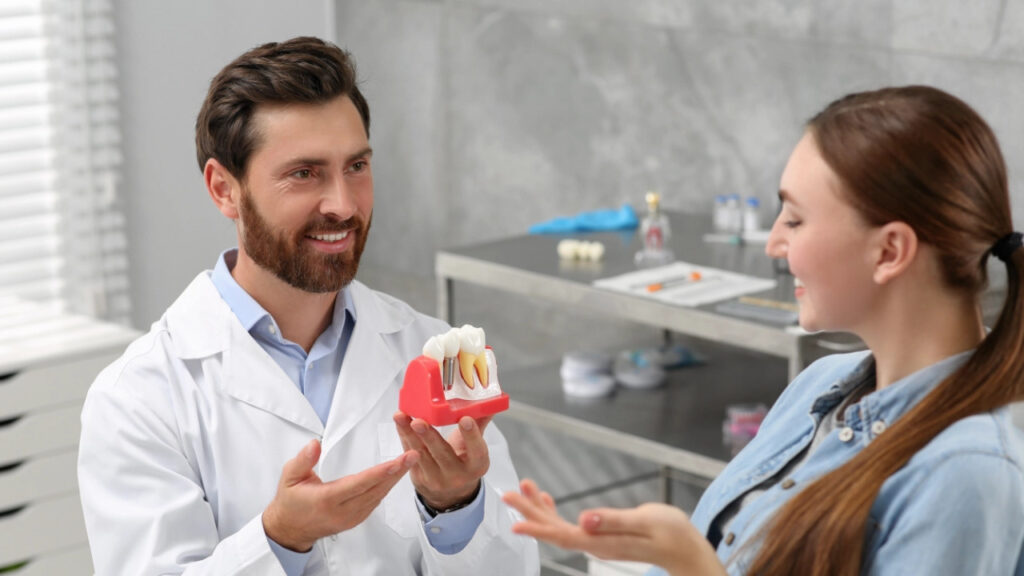
When a tooth is damaged, there isn’t just one solution. The treatment depends on how much of the tooth is affected. From small repairs to full coverage, each option plays a different role.
A quick way to understand each option
- Filling: Used for small cavities. It repairs minor damage and restores the tooth’s shape.
- Dental inlay: A custom-made restoration that fits inside the grooves of the tooth, used when damage is slightly larger than a filling.
- Dental onlay: Covers a larger portion of the tooth, including one or more cusps. A good option when the structure is weakened but not fully damaged.
- Dental crown: A full cap placed over the tooth. It is used when the tooth is significantly damaged or needs complete protection.
How do they differ in coverage?
| Treatment | Coverage Level |
| Filling | Small surface area |
| Inlay | Inside the tooth |
| Onlay | Partial tooth coverage |
| Crown | Full tooth coverage |
Why does this matter?
Choosing the right option is not just about fixing the tooth. It is about preserving as much of the natural structure as possible while still providing sufficient strength.
A thorough evaluation by our team at Charm Dental Care helps determine which option best fits your condition.
Also Read– Restorative Dentistry Types of Dental Restoration
What Is a Dental Onlay and When Is It Recommended?
A dental onlay is used when a tooth is too damaged for a filling but not enough to require a full crown. It is often called a “partial crown” because it covers only the affected part of the tooth instead of the entire surface.
Unlike a dental inlay, which fits within the grooves, an onlay tooth restoration extends over one or more cusps. This makes it a stronger option when the biting surface has weakened, but the overall tooth structure remains stable.
When is an onlay usually recommended?
- The cavity or damage is too large for a filling.
- The tooth has cracks or weakened cusps.
- You want to preserve more natural tooth structure.
- The damage is limited to one section of the tooth.
Why dentists choose onlays
Onlays are often preferred because they balance strength and conservation. Instead of trimming down the entire tooth, only the damaged portion is restored.
This helps in:
- Keeping more of your natural tooth intact.
- Providing better support than a filling.
- Reducing the need for a full crown in some cases.
What to expect
Onlays are usually custom-made and bonded to your tooth. They are designed to match the shape and color of your natural teeth, giving both strength and a natural look.
A proper assessment by the team on the Doctor page helps confirm if this is the right option for your case.
Also Read – Everything You Need to Know About Crowns and Bridges
What Is a Dental Crown and When Do You Need One?
A dental crown is a full-coverage restoration that covers the entire surface of your tooth. It is used when the tooth is too damaged to be supported by a filling, inlay, or dental onlay.
Think of a crown as a protective cap. It restores the tooth’s shape, strength, and function while protecting it from further damage.
When is a crown necessary?
A crown is usually recommended when the tooth cannot hold its structure on its own:
- The tooth is severely decayed or broken.
- A large filling has weakened the remaining structure.
- The tooth has undergone root canal treatment.
- There are cracks that affect overall strength.
How does it support the tooth?
Unlike an onlay, which covers only part of the surface, a tooth crown provides full coverage. This makes it more suitable for teeth that are under heavy biting pressure or have lost significant structure.
Where are crowns commonly used?
Crowns are often placed on back teeth, where chewing forces are higher. They are also used in cases where long-term durability is the main concern.
If you are unsure whether your tooth needs full coverage, a visit to a trusted dentist in Katy, TX, can help you clearly understand your options.
Also Read– When is a Dental Crown Needed?

Onlay vs Crown: Side-by-Side Comparison (Strength, Tooth Preservation, Cost)
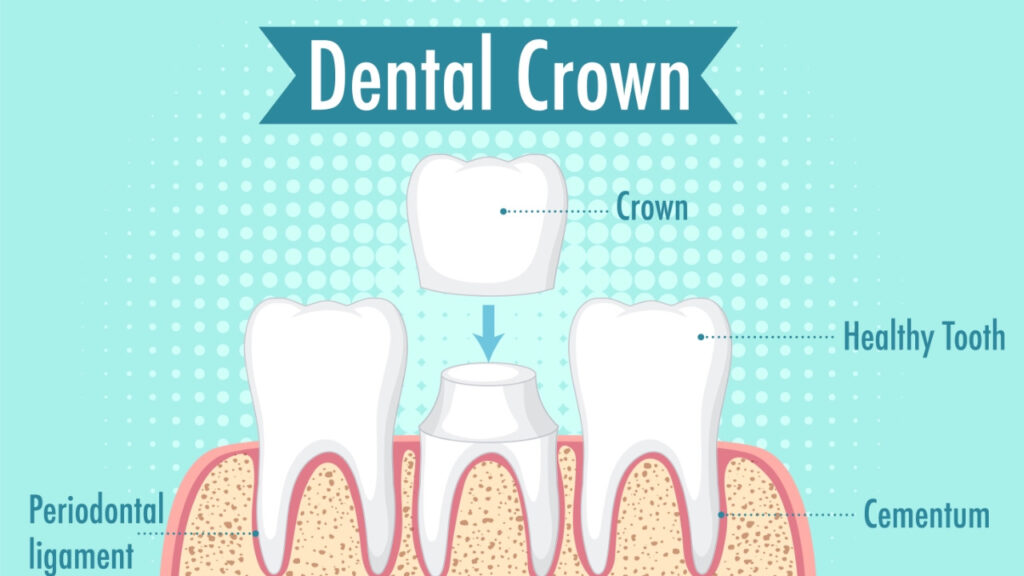
When deciding between an onlay vs crown, the key difference is how much of your natural tooth can be preserved versus how much support the tooth needs.
| Factor | Dental Onlay | Dental Crown |
| Coverage | Partial (covers damaged area) | Full (covers entire tooth) |
| Tooth preservation | Preserves more natural tooth | Requires more tooth reduction |
| Strength | Strong for moderate damage | Strongest option for heavy damage |
| Best for | Moderate decay or cracks | Severe damage or weak teeth |
| Appearance | Natural-looking | Natural-looking |
| Cost | Usually moderate | Usually higher depending on case |
If your tooth still has enough healthy structure, an onlay is often the more conservative option. It keeps more of your natural tooth intact while restoring strength.
If the tooth is heavily damaged or weakened, a crown provides full protection and long-term stability.

Cost of Onlays vs Crowns in Katy & Houston
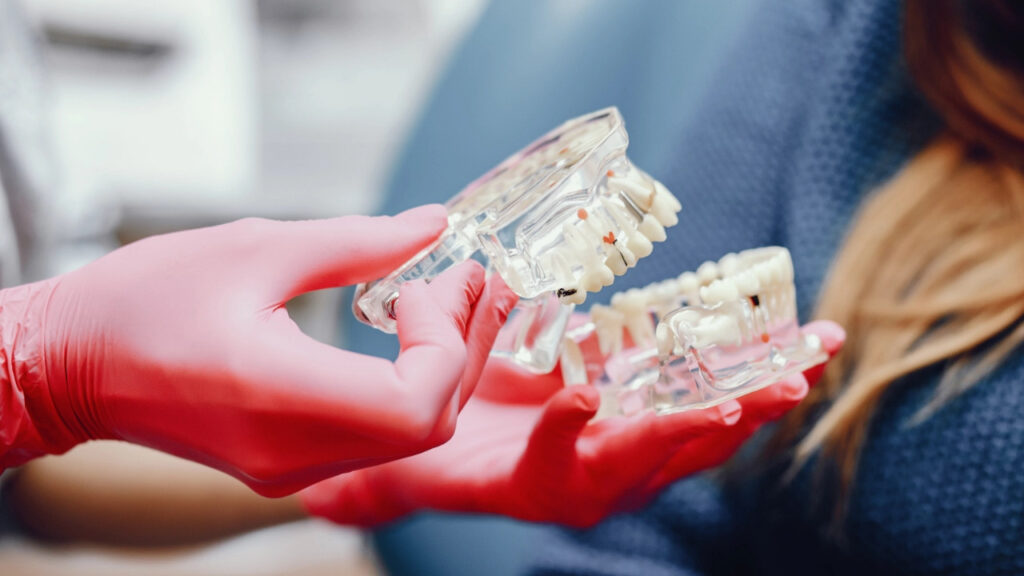
When comparing dental onlay cost and dental crown cost, the price depends on the condition of your tooth, the material used, and the complexity of the treatment.
| Treatment | Typical Cost Range |
| Dental onlay | $700 – $1,500 |
| Dental crown | $1,000 – $2,500 |
In most cases, onlays are slightly more affordable because they cover only part of the tooth. Crowns tend to cost more since they involve full coverage and additional preparation.
The final cost can vary based on:
- Extent of tooth damage.
- Material used (porcelain veneers, ceramic, etc.).
- Whether additional procedures are needed.
- Insurance coverage and benefits.
To understand your exact treatment cost, you can review options on the Payment plan options and plan your visit accordingly.
Onlays are generally more conservative and slightly lower in cost. Crowns are more extensive and usually priced higher due to full coverage.
What to Expect During an Onlay or Crown Appointment?
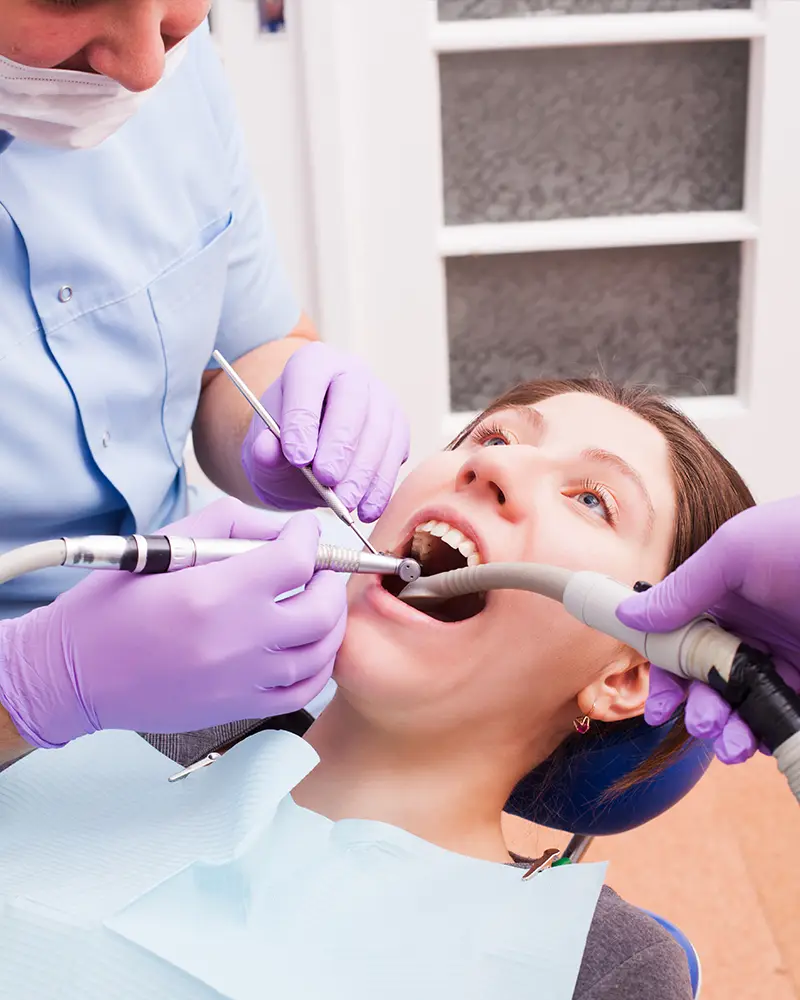
Getting a dental onlay procedure or a crown procedure is usually straightforward. The exact steps may vary slightly, but the overall process follows a clear sequence.
Step-by-step process
- Examination and preparation
The dentist checks the tooth and removes any decay or damaged structure. The tooth is then shaped to fit the restoration properly. - Impression or digital scan
A scan or mold of your tooth is taken to create a custom-fit onlay or crown. - Temporary restoration (if needed)
If your final restoration is made in a lab, a temporary crown may be placed to protect your tooth. - Final placement
Once ready, the onlay or crown is bonded to your tooth and adjusted for a proper fit.
What may you feel after the procedure?
- Mild sensitivity for a few days.
- Slight discomfort while biting initially.
- Quick adjustment as your mouth adapts.
Recovery and care
Most patients return to normal activities the same day. Good oral hygiene and regular check-ups help maintain the restoration for years.
If you’re getting this treatment on the Location Richmond page, your dentist will clearly guide you through each step and aftercare.
Same-Day Crowns vs Lab-Made Restorations: Where Onlays Fit In
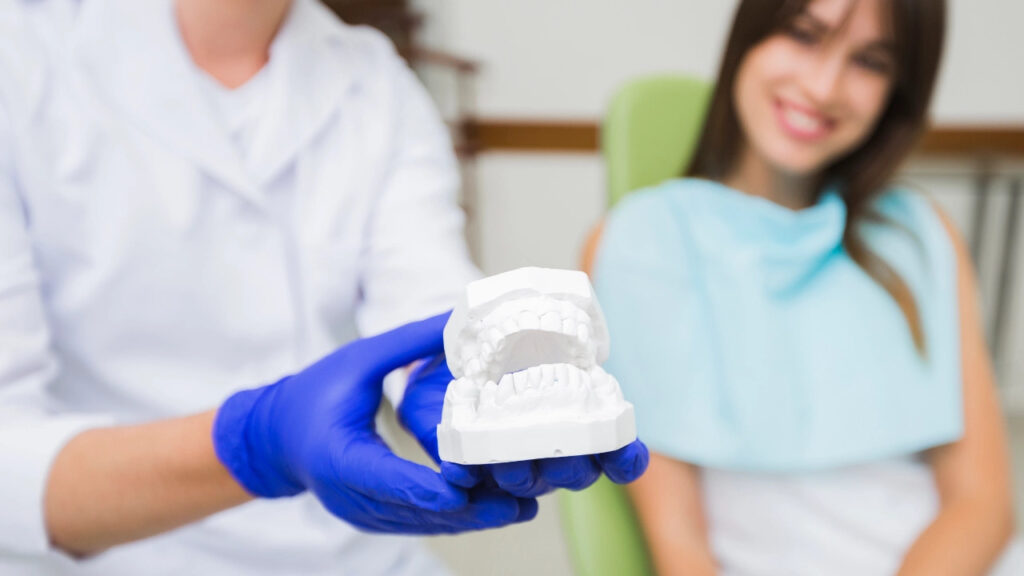
When choosing between an onlay and a crown, the type of restoration process also matters. Some treatments can be completed in a single visit, while others take more than one appointment.
Same-day crowns?
With technologies like CEREC crowns, the entire process can be completed in one visit.
- Digital scan replaces traditional impressions.
- Crown is designed and made on-site.
- No temporary crown needed.
- Final placement happens the same day.
This option is convenient for patients who prefer fewer visits and faster results.
Lab-made restorations
In many cases, crowns and onlays are still created in a dental lab.
- The tooth is prepared and scanned.
- A temporary restoration may be placed.
- The final crown or onlay is fitted in a second visit.
This approach allows for detailed customization, especially in complex cases.
Where onlays fit?
Dental onlays are usually lab-made because they require precise shaping to match the natural tooth structure. They are designed to preserve more of the tooth while still restoring strength.
What matters when choosing
- If convenience is important → same-day crowns may be preferred.
- If precision and conservation are priorities → onlays or lab-made restorations may be recommended.

Why Choose Charm Dental Care for Onlays and Crowns in Katy & Houston?
Charm Dental Care Katy
Choosing between a dental onlay and a dental crown is not just about the treatment. It is about getting the right advice and care for your specific tooth.
At Charm Dental Care, the focus is on ensuring you receive the most suitable option for your condition, not just a standard solution.
What do patients value the most?
- Personalized treatment planning
Your tooth is carefully evaluated before an onlay or crown is recommended. - Clear explanation
You understand why a specific option is suggested and what to expect. - Tooth-preserving approach
Whenever possible, treatments aim to preserve as much of your natural tooth as possible. - Modern technology
Advanced tools support accurate diagnosis and better-fitting restorations. - Comfort-focused care
Procedures are planned to be smooth and easy for patients. - Flexible options
Various treatment and membership payment plan options are available to suit your needs.
You Might Also Like
- Dental Bridges in Houston: Types, Cost & Benefits Explained
- Crows vs Bridges What Is the Difference Between Them
- Comprehensive Restorative Treatment for Oral Health
Conclusion
Choosing between a dental onlay vs crown depends on how much of your tooth can be preserved and how much support it needs. An onlay is often the better option when the damage is moderate, and the structure can still be saved. A crown becomes necessary when the tooth requires full protection and strength.
Both treatments are effective when planned correctly. The key is to understand your condition and choose what suits your tooth best. A proper evaluation helps you avoid unnecessary treatment and ensures long-term results. Taking action early keeps your treatment simpler and more manageable.
FAQs (Frequently Asked Questions)
Q1.When Is An Onlay Better Than A Crown?
An onlay is a better option when the damage is moderate, and enough healthy tooth structure remains. It allows the dentist to restore strength without removing the entire outer surface of the tooth. This makes it a more conservative treatment that preserves more of your natural tooth.
Q2.When Does A Tooth Need A Crown Instead Of A Filling?
A crown is recommended when a filling is not strong enough to support the tooth. This usually happens when: The cavity is too large. The tooth is cracked or weakened.A large portion of the tooth is already lost. In these cases, a dental crown provides full coverage and protects the tooth from further damage.
Q3.Is An Onlay As Strong As A Crown?
A dental onlay is strong and effective for moderate damage, especially on the biting surface. However, a crown is generally stronger because it covers the entire tooth. This makes crowns more suitable for teeth under heavy pressure or severe damage.
Q4.Is An Onlay Cheaper Than A Crown?
In many cases, an onlay may be slightly more affordable than a crown because it covers less of the tooth. However, the final cost depends on the material used, the condition of the tooth, and the complexity of the treatment.
Q5.Is Getting An Onlay Or Crown Painful?
The procedure is usually not painful because local anesthesia is used. You may feel mild pressure during treatment and slight sensitivity afterward, but this typically settles within a few days. Most patients find the process comfortable.
Q6.Can You Get An Onlay In One Visit?
In most cases, onlays are completed in two visits because they are custom-made in a lab. However, some clinics may offer same-day options depending on the technology available and the complexity of the case.
Q7.How Long Do Onlays Last Compared To Crowns?
Both onlays and crowns are designed to last many years with proper care.
Onlays typically last around 10 to 15 years. Crowns can last 10 to 20 years or longer. Good oral hygiene and regular dental visits play a major role in their lifespan.
Q8.Can An Onlay Fail And Need A Crown Later?
Yes, in some cases, an onlay may need to be replaced with a crown later. This can happen if the tooth weakens further or if additional damage occurs over time. Regular check-ups help monitor the condition and prevent complications.