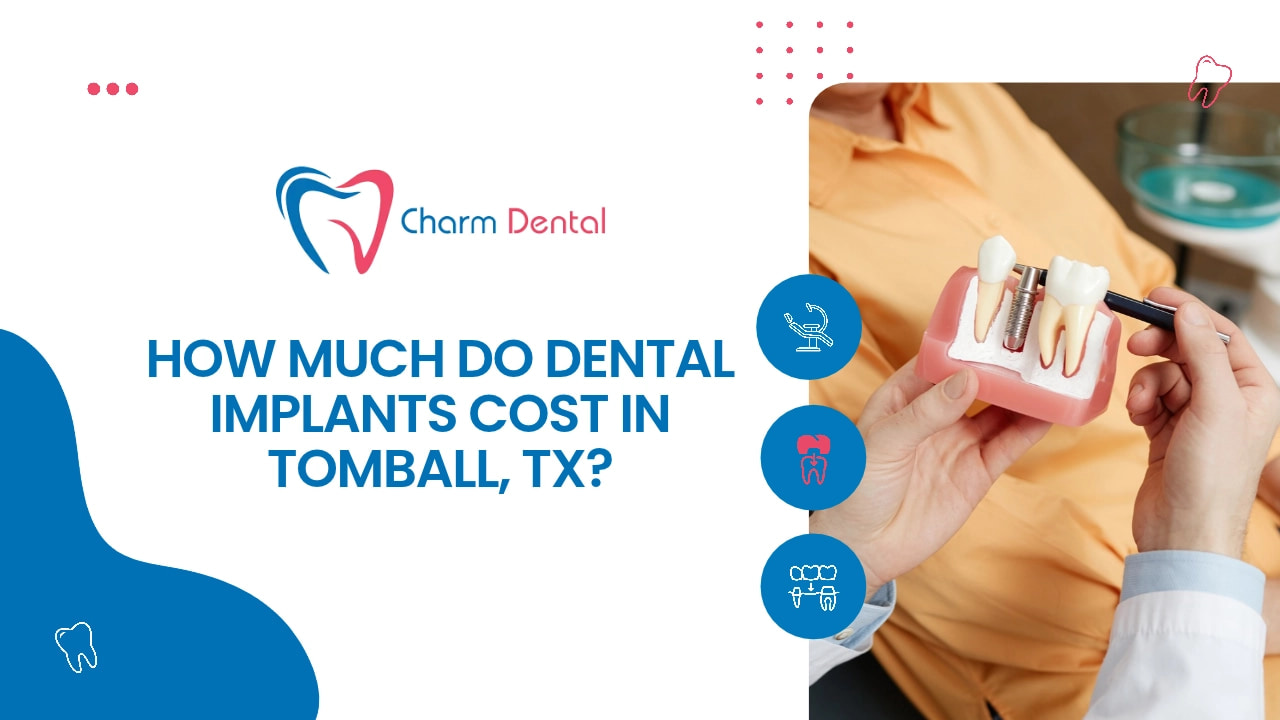
Replacing a missing tooth is a big decision, and cost is usually the first question people ask. In Katy, TX, the cost of a single tooth implant in 2026 typically ranges between $3,000 and $5,800, depending on your treatment needs.
This price often surprises patients, but it includes multiple components and advanced dental technology designed to last for decades. Compared to short-term fixes, single dental implants are a long-term investment in comfort, appearance, and oral health.
At Charm Dental Care Katy, patients receive clear pricing, detailed explanations, and guidance to help them understand exactly what goes into the total implant cost.
Key Takeaways
- A single tooth implant in Katy, TX typically costs $3,000–$5,800 in 2026.
- The price usually includes the implant post, abutment, and crown.
- Costs vary based on bone health, crown type, and treatment complexity.
- Insurance may cover parts of the procedure, but not always the full implant.
- Payment plans, financing, and HSA/FSA options can help manage the cost.
- Additional procedures like tooth extraction or bone grafting may increase the total price.
- Katy pricing often reflects the full treatment, unlike national averages that exclude key components.
- Dental implants offer long-term value, often lasting longer than bridges or dentures.
Table of Contents
What Makes Up The Total Cost Of A Single Tooth Implant?
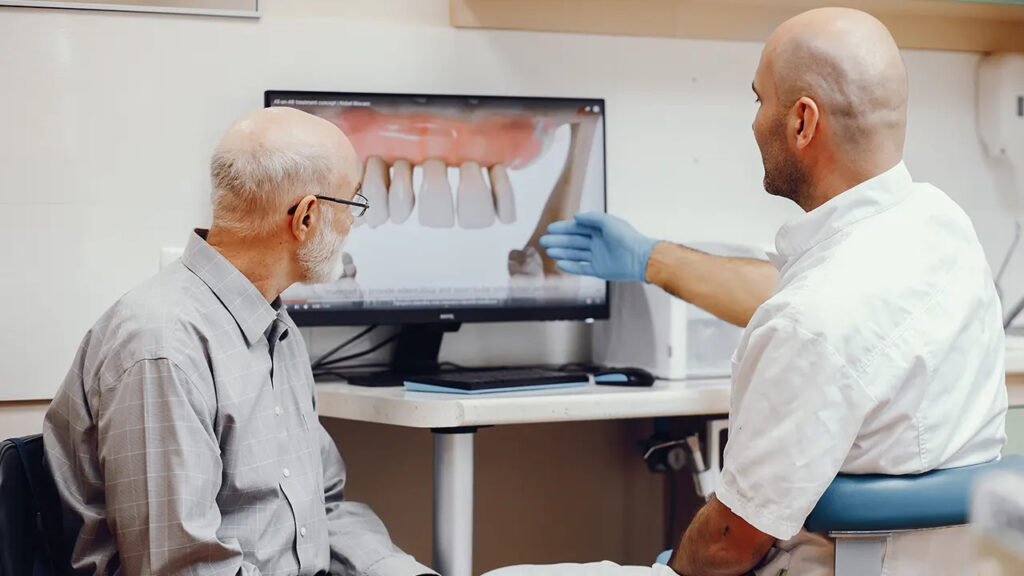
When people search for the cost of a tooth implant, they are often looking for a single number. In reality, the cost of a single implant comprises multiple components that work together to replace a missing tooth.
Understanding these components explains why dental implants cost more than temporary tooth replacement options.
The Three Main Components Of A Single Tooth Implant
1. Implant Post (Root Replacement)
The implant post is a titanium screw placed into the jawbone to replace the missing tooth root.
- Surgically inserted into the bone
- Bonds naturally with the jaw for strength
- Supports chewing and bite force
- Long-term solution designed to last many years
This surgical step significantly contributes to the overall cost, driven by planning, materials, and healing time.
2. Abutment (Connector Piece)
The abutment connects the implant post to the crown.
- Sits above the gum line
- Holds the crown securely in place
- Helps achieve proper alignment and comfort
Although smaller, the abutment is a critical component of a successful single implant.
3. Dental Crown (Visible Tooth)
The crown is the part of the implant you see and use every day.
- Custom-made to match your natural teeth
- Restores appearance and function
- Material choice directly affects crown cost
Crowns made from porcelain or zirconia typically cost more but offer better durability and aesthetics.
Single Tooth Implant Cost
| Component | Role | Cost Impact |
| Implant post | Replaces tooth root | High |
| Abutment | Connects crown | Medium |
| Dental crown | Visible tooth | Variable |
Each of these components is necessary for a complete and stable implant.
Also Read: What Are Dental Implants? How Do They Work With Your Existing Teeth?

Katy Dental Implant Prices Vs National Average: What’s The Difference?
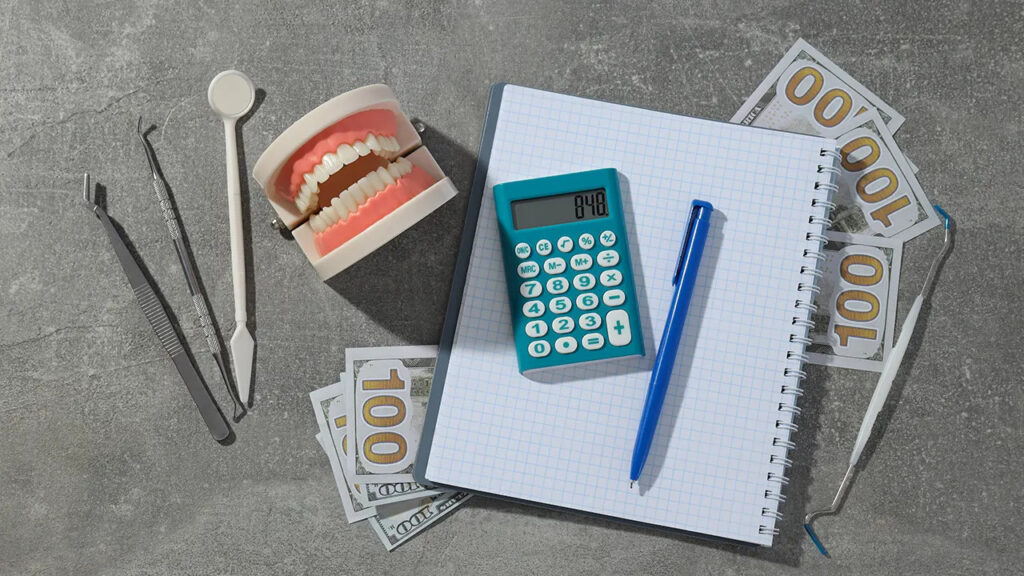
When comparing full tooth implant cost, many patients notice that Katy prices are higher than the national average. This difference can be confusing if you are only looking at online estimates.
Single Tooth Implant Cost In Katy Vs National Average
- National average: around $2,143, which often reflects only implant placement.
- Katy, TX cost: typically $3,000 to $5,800 for a complete single implant, including the post, abutment, and crown.
Note: The cost may vary based on individual treatment needs.
Why Katy Prices Are Higher Than The National Average
Several factors influence Texas’s cost and local pricing.
- Katy’s pricing usually includes the full implant procedure, not just surgery.
- The final dental crown cost and abutment are often excluded from national averages.
- Follow-up care, scans, and treatment planning are commonly included locally.
For patients looking to manage overall treatment expenses, savings options may be available through the Charm Dental Care Membership Plan, which can help reduce out-of-pocket costs for dental care.
What The National Average Often Leaves Out?
In many cases, the national average does not include:
- Abutment placement.
- Dental crown cost.
- Imaging and treatment planning.
- Post-procedure follow-up visits.
When these are added, the true cost of a single implant becomes much closer to local Katy pricing.
What This Means For Patients In Katy
While Katy’s prices may seem higher initially, they usually reflect the total cost of replacing a tooth from root to crown. This provides better clarity and fewer unexpected charges later.
What Factors Affect Single Tooth Implant Cost?
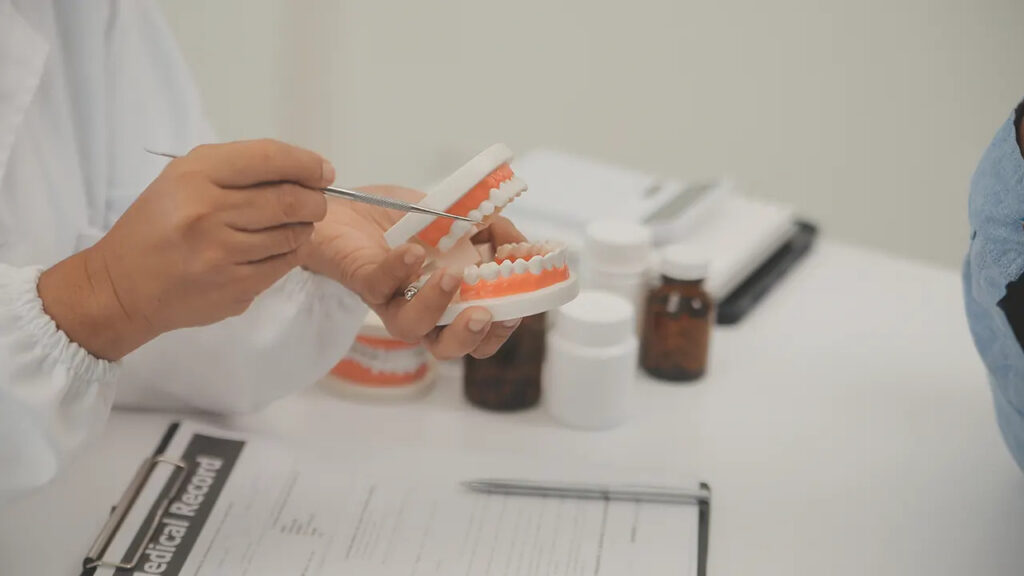
The tooth implant cost can vary from patient to patient. Even for a single implant, several factors influence the final price.
Key Factors That Impact Implant Pricing
- Tooth location. Front teeth may require more aesthetic work than back teeth.
- Jawbone health. Bone loss can increase treatment complexity.
- Crown material. Zirconia or porcelain crowns increase the overall cost of crowns.
- Surgical complexity. Some cases need additional planning or procedures.
- Healing time. Longer treatment timelines may affect total cost.
These factors explain why dental implants are often considered more expensive compared to other tooth replacement options.
Pre-Treatment Needs That Can Change Cost
Before implant placement, some patients may require:
- Tooth extraction.
- Bone strengthening procedures.
- Advanced imaging or 3D scans.
Each step is planned to improve long-term implant success, not to add unnecessary cost.
Why Prices Are Not One-Size-Fits-All?
Unlike bridges or dentures, dental implants are highly personalized. Your jawbone, bite alignment, and aesthetic needs all affect pricing.
This is why dentists recommend an in-person evaluation before giving a final estimate.
Also Read: Risk Factors for Dental Implants
Does Dental Insurance Cover Single Tooth Implants In Texas?
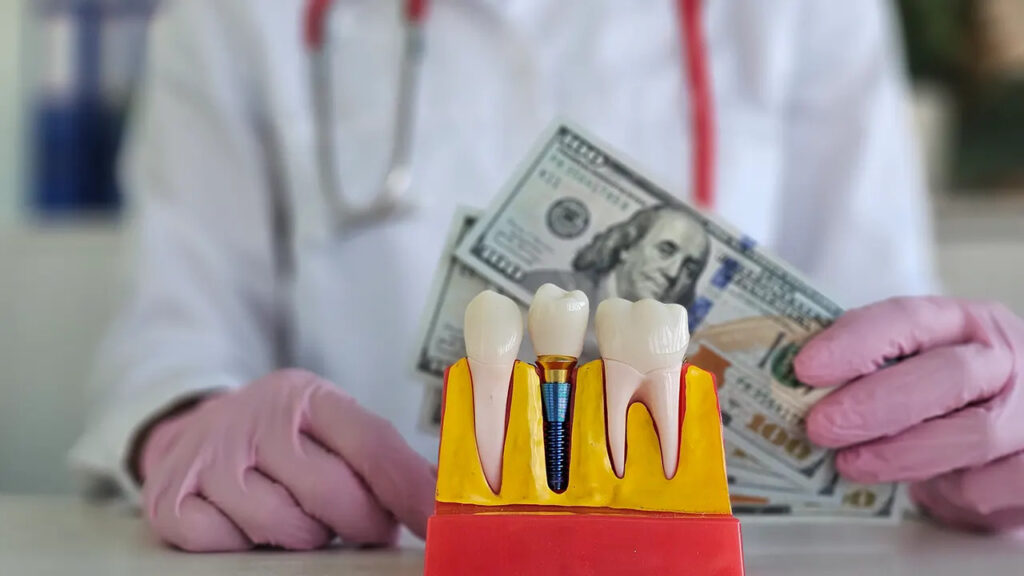
Dental insurance coverage is one of the most common concerns when discussing tooth implant cost. In Texas, insurance coverage for a single implant can vary widely by provider and plan.
What Most Dental Insurance Plans Cover?
Many dental insurance plans:
- Do not fully cover dental implants.
- May cover parts of the procedure, such as the crown.
- Often, implants are classified as a major procedure.
Because of this, insurance coverage may reduce only a portion of the total cost.
Partial Coverage Is More Common Than Full Coverage
In some cases, insurance may help with:
- Implant crown cost.
- Tooth extraction before implant placement.
- Diagnostic exams and imaging.
However, the implant post itself is often excluded from coverage.
Why Coverage Rules Vary So Much
Insurance decisions depend on:
- Whether the implant is considered medically necessary.
- Annual maximums set by the plan.
- Waiting periods or exclusions.
This is why two patients with similar needs may receive different coverage outcomes.
Also Read– Does Dental Insurance Cover Implants?
Note: Insurance coverage and out-of-pocket costs may vary depending on your plan and treatment requirements.

Can You Get Dental Implant Payment Plans With $0 Down?
Paying the full cost upfront is not always practical. That is why many patients look for financing and flexible payment options for a single implant.
How Dental Implant Payment Plans Work?
Payment plans are designed to spread the cost over time.
- Monthly payments instead of a large upfront amount.
- Flexible terms based on treatment cost.
- Options that allow care to begin sooner.
These plans make dental implants more accessible for many patients.
What Do $0 Down Payment Options Mean?
A $0 down option typically means:
- No large initial payment on the day of treatment.
- Costs are divided into manageable monthly payments.
- Approval may depend on eligibility and total treatment cost.
This can help patients move forward without delaying care.
What Can Be Included In Implant Financing?
Depending on the plan, financing may cover:
- Implant post placement.
- Abutment and crown cost.
- Pre-treatment procedures, if needed.
This allows patients to plan their budget more confidently.
Note: Financing terms and monthly payment amounts may vary based on approval and treatment needs.
Interesting Read: New Year Dental Offers at Charm Dental
Hidden Costs To Know: Bone Grafts And Tooth Extractions
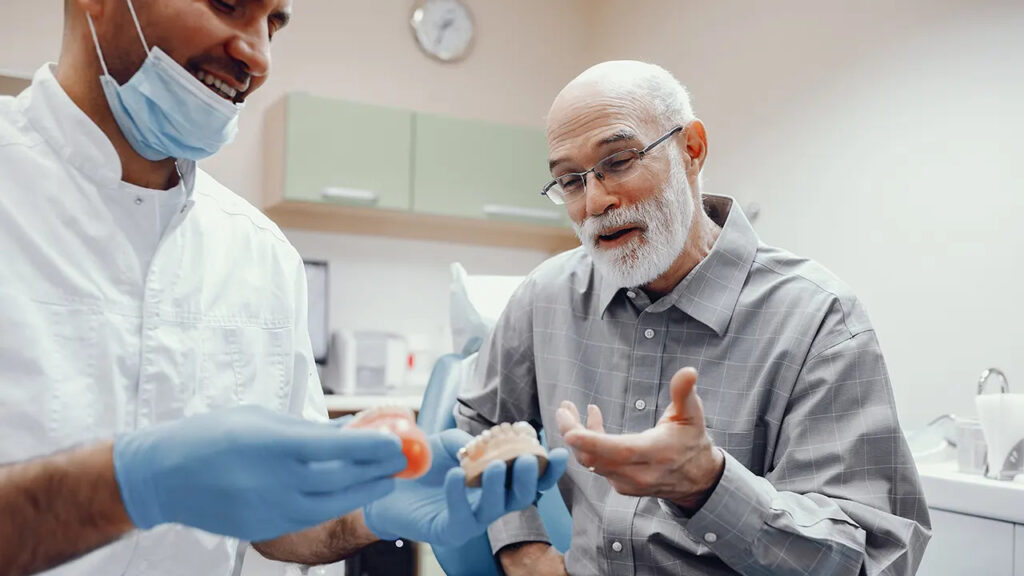
When researching the cost of dental implants, many patients focus only on the implant itself. However, some cases require additional procedures that can affect the final price.
When Extra Procedures Are Needed?
Not every patient needs additional treatment, but certain conditions make it necessary.
- Bone loss in the jaw may require a bone graft.
- A damaged tooth may need extraction before implant placement.
These steps help create a stable foundation for a successful single implant.
Typical Cost Range For Additional Procedures
| Procedure | Estimated Cost Range |
| Bone graft | $300–$3,000 |
| Tooth extraction | Varies by complexity |
Note: The cost may vary depending on jaw condition, tooth position, and healing requirements.
Why Bone Grafts Increase Implant Cost?
A bone graft strengthens the jawbone so it can support the implant post.
- Improves long-term implant stability.
- Prevents implant failure.
- Adds time and materials to treatment.
While this increases overall tooth implant cost, it also improves long-term success.

Can You Use HSA Or FSA For Dental Implants In Texas?
Many patients look for ways to reduce costs using pre-tax benefits. In Texas, you may be able to use an HSA or FSA to help pay for a single implant, depending on your plan rules.
How HSA And FSA Accounts Can Help?
Health Savings Accounts and Flexible Spending Accounts allow you to use pre-tax dollars for eligible medical and dental expenses.
- Implant-related procedures are often considered eligible.
- Using HSA or FSA funds can lower your overall out-of-pocket cost.
- This may provide a tax deduction benefit compared to paying after tax.
What Implant Costs May Be Eligible?
Depending on your plan, HSA or FSA funds may be used for:
- Implant placement surgery.
- Abutment and crown cost.
- Tooth extraction or related procedures.
- Diagnostic exams and imaging.
Eligibility can vary, so it is important to confirm with your plan provider.
Why HSA And FSA Matter For Implant Costs?
Using pre-tax funds helps make higher-cost dental treatments more manageable. For many patients, this can significantly reduce the financial impact of a single implant.
Where To Get Help With Payment Planning?
Patients seeking guidance on membership plans, payment methods, and eligible expenses can review their options by contacting us.
Important Tax Note: HSA and FSA eligibility rules may vary by plan and individual circumstances.
What Makes Charm Dental Care A Trusted Choice In Katy
Charm Dental Care Katy
Choosing dental implant treatment is not just about cost. It is also about trust, clarity, and long-term care.
Many patients in Katy choose Charm Dental Care Katy for clear answers before making a big decision.
Patient’s value:
- Honest, upfront explanations of implant pricing and treatment steps.
- Modern technology, including digital scans for accurate planning.
- Flexible payment options that make care easier to manage.
- A patient-first approach that focuses on comfort and long-term results.
For many people, it comes down to feeling informed, not rushed, and knowing they are investing in a solution designed to last.
You Might Also Like
- Dentist in Katy TX: Choosing the Right Dental Clinic for Your Family
- Comprehensive Dental Care in Katy: Your Guide to Oral Health for the Whole Family
- What to Expect During Your First Dental Visit in Katy, TX
Final Thoughts
A single tooth implant is a long-term investment in your smile, comfort, and oral health. While the upfront cost of a tooth implant may seem high, implants often offer greater durability and value than temporary tooth replacement options. The total price depends on your individual needs, including bone health, crown type, and treatment complexity.
The best next step is a personalized evaluation. With a clear estimate and booking an appointment, you can decide confidently whether a dental implant is the right solution for you.Ready to get started? See full details on our dental implants in Katy TX page
FAQs (Frequently Asked Questions)
Q1. How Much Does A Single Tooth Implant Cost In Katy, TX?
The cost of a tooth implant in Katy generally ranges from $3,000 to $5,800 for a complete single implant. This price usually includes the implant post, abutment, and crown. The final cost may vary depending on bone health, crown material, and whether additional procedures are needed.
Q2. What Is Included In The Cost Of A Single Tooth Implant?
The cost typically includes three main components: the implant post placed in the jawbone, the abutment that connects the implant to the crown, and the dental crown itself. Exams, planning, and follow-up visits are often part of the overall treatment, while extra procedures may increase the price.
Q3. Is a single tooth implant cost higher in Texas?
In many cases, the cost for dental implants in Texas appears higher because pricing often reflects the full treatment, not just implant placement. National averages may exclude the crown, abutment, imaging, or follow-up care, which can make local pricing seem higher at first.
Q4. Why Is A Single Tooth Implant So Expensive?
A single implant replaces both the tooth root and the visible part of the tooth. The cost reflects surgical placement, advanced materials, healing time, custom restoration, and long-term durability. Unlike temporary options, implants are designed to last many years, which adds to their upfront cost.
Q5. How Can I Pay For A Single Tooth Implant?
Patients can pay using a combination of personal payment, financing options, or monthly payment plans. Payment options depend on the total treatment cost and the options available at the dental office.
Q6. Can I Pay Monthly For A Dental Implant?
Yes. Many dental practices offer monthly payment options that allow patients to spread the cost of a tooth implant over time. This helps make treatment more manageable without delaying care.
Q7. Are There Any Extra Costs With Dental Implants?
Yes. Some patients may need additional procedures such as bone grafting, tooth extraction, or advanced imaging. These extra costs depend on the condition of the jawbone and are identified during the initial evaluation.
Q8. Is A Dental Implant Cheaper Than A Bridge Or Denture Long Term?
Often, yes. While implants cost more upfront, they usually last longer and require fewer replacements than bridges or dentures. Over 15–20 years, implants can be more cost-effective and stable.
Q9. Can I Use HSA Or FSA For A Single Tooth Implant?
Many patients use HSA or FSA funds to pay for eligible implant-related expenses. Coverage rules vary by plan, so it is important to confirm eligibility before treatment.