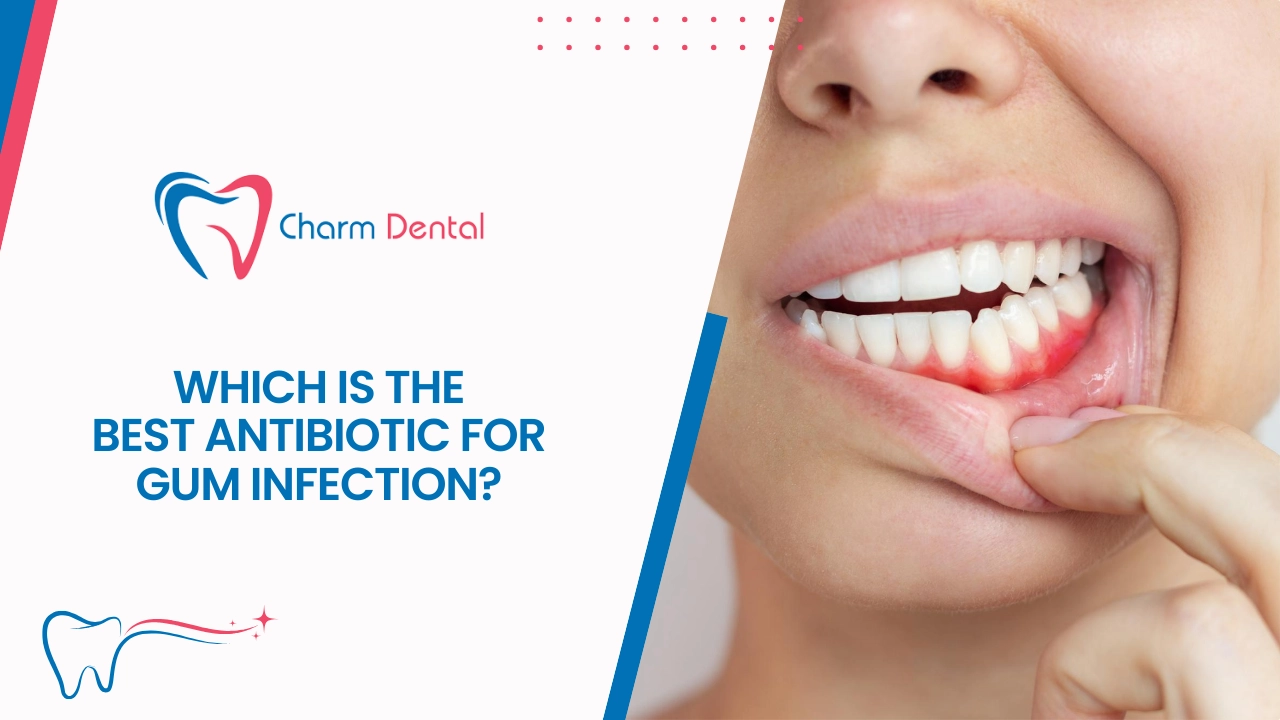
Gum infections can lead to pain, swelling, and bleeding if left untreated. They’re usually caused by bacteria that build up around the gums. In some cases, your dentist may recommend antibiotics to stop the infection from spreading and to protect your overall oral health. The right treatment depends on the severity of the infection and its underlying cause.
At Charm Dental Care, we offer gentle and effective gum infection treatment at our locations in Spring, Katy, Richmond, and Humble, TX.
Our experienced team helps patients manage gum disease with personalized care, including the best antibiotic for gum infection when needed. In this blog, we’ll explain when antibiotics are helpful and how to maintain healthy gums in the long term.
Key Takeaways
- Gum infections are caused by bacteria and can lead to pain, swelling, and bleeding if untreated.
- Antibiotics (like amoxicillin, metronidazole, doxycycline) may be prescribed for moderate to severe infections.
- Oral vs. Topical antibiotics: Oral treats internal infection; topical targets localized areas during cleanings.
- Antibiotics don’t cure gum disease alone — professional cleanings and good oral hygiene are essential.
- OTC remedies (saltwater rinses, pain gels) help temporarily but don’t replace dental care.
- Avoid self-medicating — only a dentist can safely prescribe the right antibiotic.
- Charm Dental Care offers personalized gum infection treatment in Spring, Katy, Richmond, and Humble, TX with same-day and walk-in options.
- Prevent gum infections with regular cleanings, daily brushing/flossing, and antibacterial mouthwash.
Table of Contents
What Causes Gum Infections?
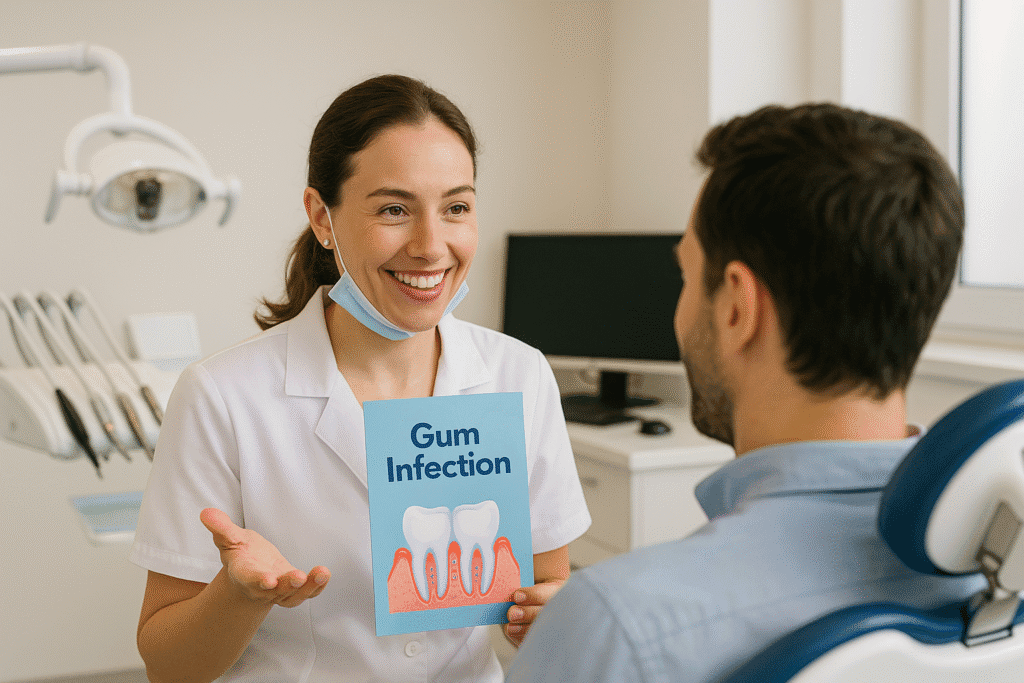
Gum infections typically begin when plaque accumulates along the gumline. Plaque is a sticky layer of bacteria that forms on your teeth if you don’t brush and floss regularly. Over time, this can lead to gingivitis (early gum disease) or periodontal disease (a more advanced form of gum infection).
Common signs of a gum infection include:
- Swollen or red gums
- Bleeding when brushing or flossing
- Bad breath or a bad taste in your mouth
- Pain, tenderness, or pus around the gums
At Charm Dental Care, we offer gentle and effective treatment for gum inflammation. Our team may also recommend medicine for gum infection if needed. If you’re looking for a dentist for swollen gums in Humble, TX, we’re here to help you feel better fast.
Read more – Gum Disease: Symptoms, Prevention & Treatment

When Do You Need Antibiotics for Gum Infection?
Not all gum infections need antibiotics. In mild cases, professional dental cleaning and better brushing habits may be enough. However, in moderate to severe cases, where pain, swelling, or pus is present, antibiotics may be necessary to prevent the infection from spreading.
A dentist may prescribe gingivitis antibiotics for gingivitis or antibiotics for inflamed gums if:
- The infection is deep or spreading
- There is an abscess or visible pus.
- You have a weakened immune system.
Getting help early is important. Waiting too long can lead to severe damage to your gums and teeth.
At Charm Dental Care, we offer emergency gum infection care near Louetta Road in Spring, with same-day appointments available for urgent relief.
Best Antibiotics for Gum Infection: Options & Use Cases
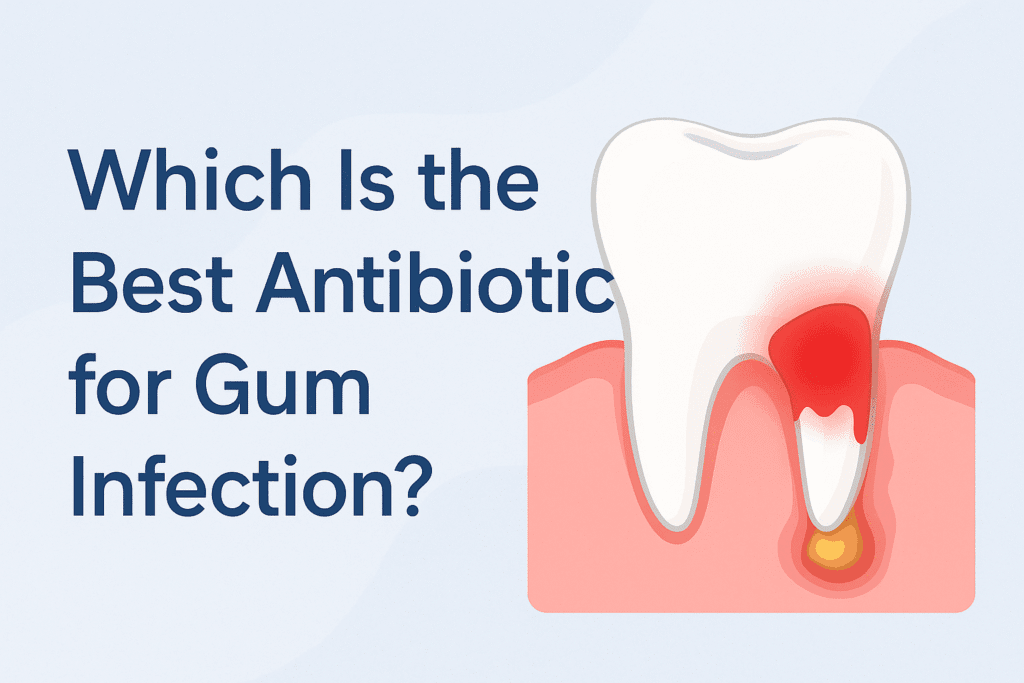
When a gum infection is severe, your dentist may prescribe antibiotics to fight the bacteria causing the problem. The type of antibiotic depends on the severity of the illness and your medical history.
- Amoxicillin – Often the first choice. It works well for many types of gum infections.
- Metronidazole – Commonly used with amoxicillin for aggressive periodontitis or deep infections.
- Doxycycline – Used in low doses to manage chronic gum disease and reduce inflammation.
- Azithromycin – A good alternative for patients allergic to penicillin.
- Ciprofloxacin and Clindamycin – Usually used in rare or complex cases when other antibiotics don’t work.
At Charm Dental Care, we provide personalized treatment customized to your specific symptoms. Whether you need amoxicillin for gum infection, doxycycline for gum disease, or metronidazole for gum infection, we’re here to help.
Book an appointment today at one of our locations in Spring, Katy, Richmond, or Humble, TX, for fast and effective gum care.
Read more – Different Ways to Treat Gum Disease
Oral vs. Topical Antibiotics: What’s the Difference?
Antibiotics for gum infections can be taken in two primary forms: oral and topical.
Oral antibiotics come in pill form and work by treating the infection from the inside out. They are usually prescribed for more severe or widespread infections. Many patients benefit from oral antibiotics for their gums when symptoms are more severe.
Topical antibiotics are applied directly to the affected area, such as a gel or mouth rinse, and are effective for treating specific spots without affecting the rest of the body. A common example is a topical antibiotic for gum inflammation, often used during deep cleanings.
Your dentist will select the most suitable antibiotic treatment for your gums, tailored to your specific condition and needs.
If you’re concerned about treatment costs, Charm Dental Care offers a simple membership plan to make care more affordable, even if you don’t have dental insurance.
Do Antibiotics Cure Gum Disease Completely?
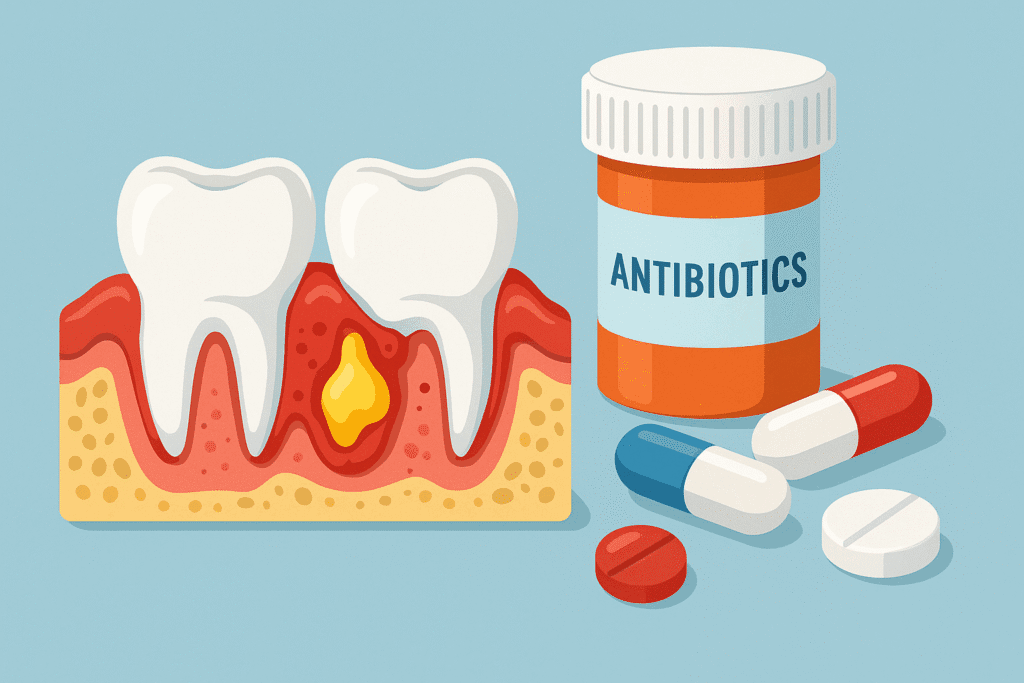
Antibiotics can help control gum infections, but they do not cure gum disease completely. They are usually part of a larger treatment plan and are most effective when used in conjunction with professional cleanings, such as scaling and root canal planning.
To fully treat gum disease, your dentist may recommend:
- Deep cleaning below the gumline
- Improved brushing and flossing habits
- Ongoing maintenance visits
Periodontal disease antibiotics can reduce harmful bacteria, but they won’t replace the need for regular care. In some mild cases, your dentist may suggest gum disease treatment without antibiotics, especially if it’s caught early.
If you’re wondering, “Will my dental insurance cover this treatment?” Charm Dental Care accepts most major insurance plans. You can visit our dental insurance page to learn more about coverage options.

Over-the-Counter Relief: What Works Without Prescription?
If your gum infection is mild or you’re waiting to see a dentist, some over-the-counter products can help with temporary relief. Here are a few easy options:
- Antibacterial mouthwashes
Help reduce bacteria and freshen breath, making it a good option for people with receding gums.
Try using an antibacterial mouthwash for receding gums daily. - Saltwater rinses
Mix warm water with salt to rinse your mouth. It helps soothe swollen gums and reduce minor irritation. - Pain relief products
Look for gingivitis over-the-counter medicine like oral gels or pain relievers to reduce discomfort. - Swollen gum care
If you’re not sure what to buy, ask your dentist about the best medicine for swollen gums during your visit.
These remedies can ease symptoms, but they don’t treat the infection itself. For proper care, visit the professional doctors at Charm Dental Care for a comprehensive exam and a customized treatment plan for your needs.
Can You Get Antibiotics Without Seeing a Dentist?
When you’re dealing with gum pain or swelling, it’s tempting to try and treat it on your own. However, obtaining antibiotics without consulting a dentist can be dangerous and often exacerbates the condition.
Here’s why a professional diagnosis is important:
- Not all gum pain requires antibiotics.
Only a dentist can determine whether your symptoms require gum pain antibiotics or another type of care. - Self-medicating is risky.
Using the wrong antibiotics for tooth infections, expired medication, or leftover prescriptions may not treat the infection and can even lead to side effects or antibiotic resistance. - You may need more than just medicine.
In many cases, deep cleaning, drainage, or other dental procedures are needed along with medicine for inflamed gums to treat the problem fully.
Read more – Importance of Attending Regular Check‑Ups
Gum Infection Treatment at Charm Dental
At Charm Dental Care, we understand how uncomfortable gum infections can be—and how important it is to treat them quickly. That’s why we offer same-day appointments, walk-in options, and personalized care at all of our Houston-area locations.
1. Spring, TX (Near Louetta Road)
Our Spring office is conveniently located for patients in and around the Louetta Road area. We offer emergency gum infection care, deep cleanings, and prescription treatments when needed.
Looking for fast relief? We’re here for you walk in or call to schedule same-day care.
Visit Charm Dental Care in Spring, TX
2. Katy, TX
We’re proud to be a trusted provider of antibiotics for gum disease in Katy, TX. Our Katy office welcomes walk-ins and provides comprehensive exams, gum therapy, and follow-up care.
Searching for a reliable walk-in gum infection dentist in Katy? Our experienced team is ready to help.
Visit Charm Dental Care in Katy, TX
3. Richmond, TX
Patients in Richmond choose us for quality care that’s both effective and budget-friendly. We specialize in affordable gum treatment in Richmond, TX, including scaling, root planing, and infection management.
Ask us about treatment options that fit your needs and your budget.
Visit Charm Dental Care in Richmond, TX
4 . Humble, TX
Our Humble location offers the same high standard of care, including treatment for inflamed gums, abscesses, and gum infections.
Please note: The Humble office may not be open on weekends, so we recommend calling ahead to check availability.
Visit Charm Dental Care in Humble, TX

Read more – Helpful Tips to Find an Emergency Dentist
Prevention Tips: How to Avoid Needing Antibiotics
Preventing gum infections starts with good oral hygiene and regular dental care. Taking a few simple steps can help you avoid the need for antibiotics altogether:
- Schedule regular dental cleanings
Routine professional cleanings help remove plaque and tartar that can lead to gum disease. Most patients benefit from cleanings every six months. - Practice proper brushing and flossing.
Brushing twice daily and flossing once a day can significantly reduce the buildup of harmful bacteria. Ask your dentist for personalized brushing and flossing tips. - Use antibacterial mouthwash.
A daily rinse can support your at-home care and reduce bacteria between dental visits. - Request a custom prevention plan.
Every patient is different. At Charm Dental Care, we offer custom prevention plans customized to your oral health needs.
If cost is a concern, we also provide flexible payment plans to help make preventive care affordable and stress-free.
Recommended Reads
- Tooth Abscess: Causes, Symptoms & Treatment Options
- Dental Emergencies: Protecting Teeth During Sports
- Soft Foods to Eat After Dental Surgery
Conclusion
Gum infections should never be ignored. With early gum disease treatment, you can avoid pain, prevent tooth loss, and protect your overall health. Antibiotics may be part of the solution, but proper care from a dental professional is key to full recovery.
At Charm Dental Care, we provide personalized dental care in Texas to help you feel better and keep your smile healthy. Whether you need a deep cleaning, antibiotic treatment, or a full exam, our team is here to support you every step of the way.
Don’t wait for symptoms to get worse. Book an appointment at Charm Dental today at any of our locations in Spring, Katy, Richmond, or Humble.
FAQs
Q1. What Is The Best Antibiotic For A Gum Infection?
The best antibiotic depends on your condition. Dentists commonly prescribe amoxicillin, doxycycline, or metronidazole for gum infections based on their severity and your medical history.
Q2. Can Antibiotics Alone Cure Gum Disease?
No, antibiotics can help control the infection, but they don’t treat the root cause. You also need deep cleaning, good oral hygiene, and regular follow-ups for full healing.
Q3. Do You Offer Gum Disease Treatment In Spring, Katy, Richmond, And Humble, TX?
Yes! Charm Dental Care provides same-day gum infection treatment at all locations. We also offer walk-in options for urgent needs. To get help fast, contact us today.
Q4. Can I Get Antibiotics Without Seeing A Dentist?
No, antibiotics are only safe and effective when prescribed by a dentist after checking your gums. Avoid self-medicating. Need help? Contact Charm Dental Care to get a proper diagnosis.
Q5. Where Can I Find Gum Infection Treatment Near Louetta Road In Spring, TX?
Visit the Spring location of Charm Dental Care, conveniently located near Louetta Road. We offer expert gum care, same-day treatment, and personalized service.
Q6. What Antibiotics Do Dentists Prescribe For Gum Infection?
Dentists typically prescribe antibiotics such as amoxicillin, metronidazole, or doxycycline, depending on the severity of the gum infection. Each one targets different types of bacteria and varying levels of infection.
Q7. Is Amoxicillin Good For Gum Disease?
Yes, amoxicillin is one of the most commonly prescribed antibiotics for gum infections. It helps reduce swelling and control the bacteria that cause gum disease.
Q8. Which Is Better For Gum Disease: Doxycycline Or Metronidazole?
Both are effective, but they work in different ways. Doxycycline is often used for long-term gum care, while metronidazole is more effective for treating aggressive or deep infections. Your dentist will decide what’s best for your case.
Q9. How Can I Get Rid Of A Gum Without Antibiotics?
In mild cases, a gum infection may improve with professional dental cleaning, better brushing, and daily use of saltwater or antibacterial mouthwash. But for serious infections, antibiotics may still be needed.
Q10. What Medicine Works Fastest For Swollen And Infected Gums?
The fastest relief usually comes from a combination of antibiotic treatment and pain relief medication. Over-the-counter gels can provide temporary relief, but prescription antibiotics are more effective.
Q11. Can Antibiotics Cure Severe Gum Disease Completely?
No, antibiotics help reduce infection, but they do not cure severe gum disease alone. You’ll also need professional deep cleaning and possibly ongoing periodontal care.
Q12. What Are The Over-The-Counter Options For Gum Inflammation And Pain?
You can try salt water rinses, antibacterial mouthwash, and oral pain relievers. These products help ease swelling and discomfort but won’t fully treat the infection.
Q13. Is Azithromycin Effective For Dental Infections?
Yes, azithromycin is sometimes used for patients who are allergic to penicillin or for treating specific bacterial infections. Your dentist may recommend it in some instances.