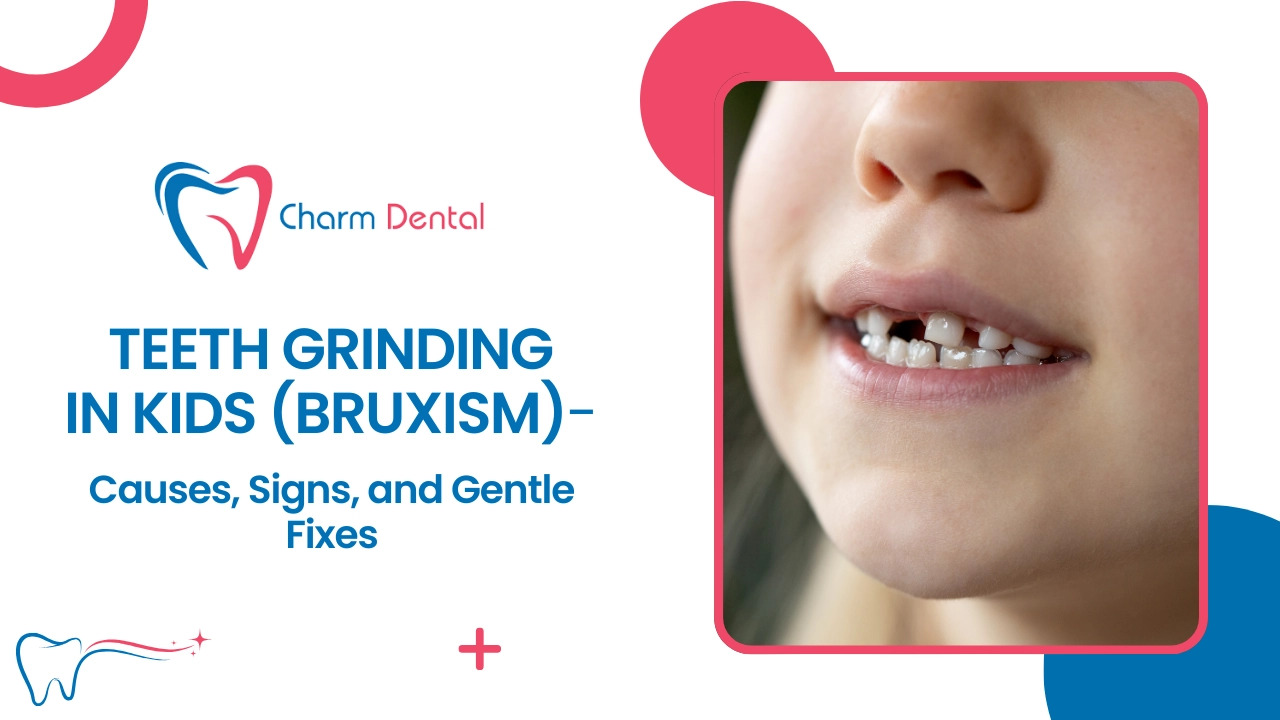
Hearing your child grind their teeth at night can be worrying, especially when the sound keeps you up or they wake with a sore jaw. Kids’ teeth grinding, also called bruxism, is common in childhood, especially during sleep, and many children outgrow it as they develop.
Still, grinding can sometimes lead to worn enamel, headaches, restless sleep, or jaw discomfort if it continues for too long. At Charm Dental Care, we help parents understand what is normal and when a dental visit can help protect growing teeth.
In this blog, we will walk through the causes, early signs, home strategies, and when to seek gentle care for your child’s smile.
Key Takeaways
- Many kids grind their teeth while sleeping and often outgrow it.
- Grinding can happen due to teething, stress, or sleep and breathing problems.
- Look for signs like jaw pain, worn teeth, headaches, or poor sleep.
- A bedtime routine with less screen time can help the jaw relax.
- Soft foods and warm compresses can reduce soreness.
- A mouthguard is only needed if grinding is strong or hurts the teeth.
- Snoring or mouth breathing may mean a breathing issue that needs a check.
- A quick dental visit helps keep your child’s teeth safe and healthy.
Table of Contents
Why Do Kids Grind Their Teeth?
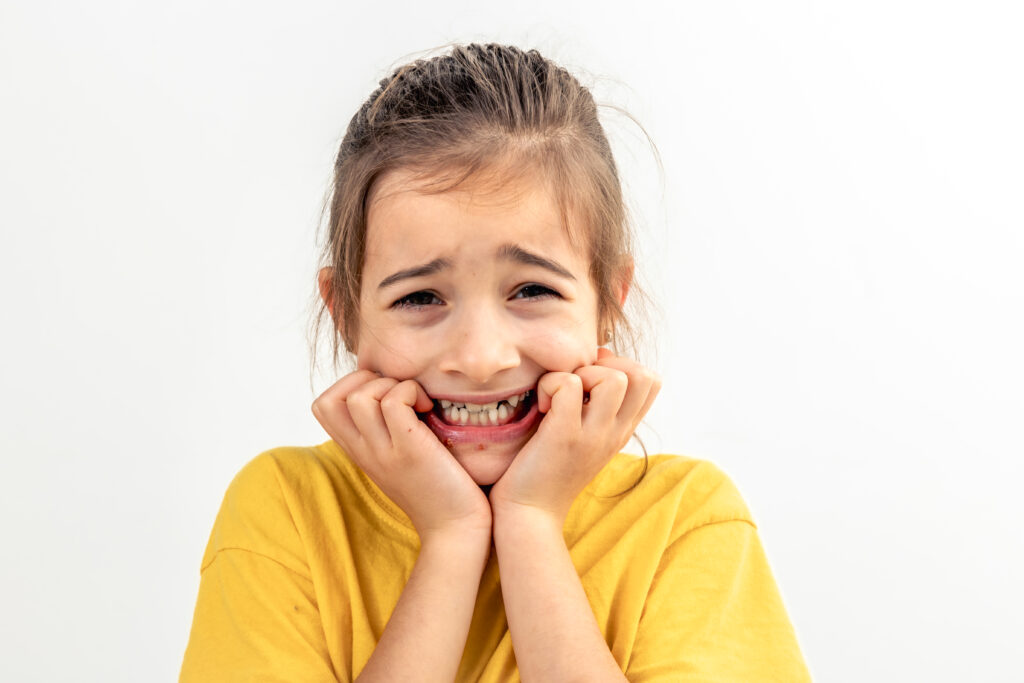
Many parents notice grinding during sleep when their child’s teeth are still developing. The most common bruxism causes kids experience include:
• Teething discomfort — Younger children may grind to soothe pressure while baby teeth erupt.
• Stress or anxiety — School changes, new routines, or excitement can show up as jaw tension at night.
• Sleep habits — Some kids grind as part of normal sleep patterns and may not even be aware of it.
• Airway or breathing issues — Mouth breathing, snoring, or enlarged tonsils can lead to grinding as the body works harder to get air.
In most cases, grinding is temporary. The important thing is noticing why it might be happening, so we can decide whether it needs attention or monitoring.
Also Read– Is a Pediatric Dentist Necessary for Your Kid?

Signs of Teeth Grinding Parents Should Watch For
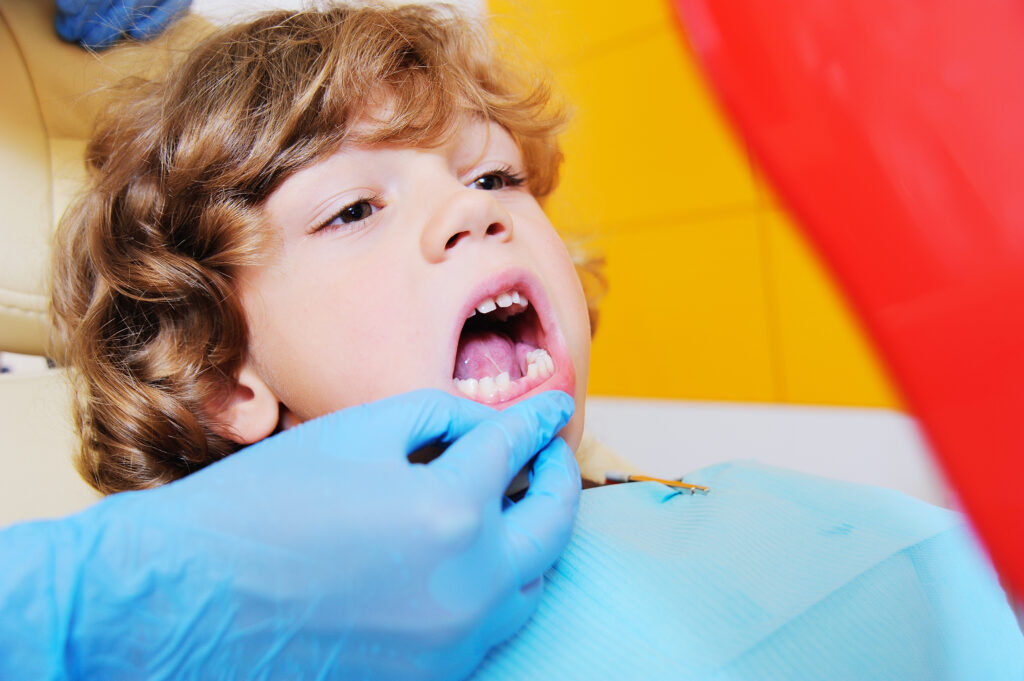
Some children grind quietly, while others make a noticeable squeaking or crunching sound at night.
But there are other signs of kids’ teeth grinding that parents may notice during the day:
- Worn-down or flattened teeth that look shorter than before.
- Morning jaw ache or complaints of soreness while chewing breakfast.
- Restless sleep, frequent waking, or daytime tiredness.
- Chipped enamel or small cracks on teeth without a clear accident.
- Headaches, especially near the temples, occur after waking up.
- Increased tooth sensitivity to cold foods or brushing.
If you’re seeing any of these symptoms regularly, it may be time to discuss them with your dentist, especially if the grinding does not seem to be improving over time.
When Is Pediatric Bruxism a Concern?
Most kids grind occasionally as they grow, but pediatric bruxism becomes a concern when it affects teeth, comfort, or sleep.
1. Grinding Is Causing Tooth Damage
- Flattened or shorter-looking teeth.
- Chips, cracks, or worn enamel.
- Increasing sensitivity to cold or brushing.
2. Your Child Wakes Up Tired or Irritable
- Restless sleep or loud grinding noises.
- Daytime fatigue or difficulty focusing.
- Refusing breakfast due to jaw soreness.
3. Persistent Pain or Discomfort
- Morning headaches.
- Jaw or ear pain (referred discomfort).
4. Grinding Lasts Longer Than a Few Months
- No improvement as new teeth come in.
- Worse during stress, illness, or growth phases.
If any of these signs continue, a gentle dental exam can help prevent long-term damage and keep tiny smiles comfortable. If cost is a concern, Charm Dental Care offers flexible insurance and payment options, so care never has to wait.
Also Read– Pediatric Dental Emergencies and How to Handle Them as a Parent
Improving Sleep Hygiene for Kids

A calm, predictable bedtime routine can help reduce nighttime grinding by relaxing jaw muscles and improving sleep quality. Good sleep hygiene habits include:
• Regular sleep schedule — same bedtime and wake time every day.
• Screen-free wind-down — turn off TVs, phones, and tablets at least 1 hour before bed.
• A cozy, quiet room — cool temperature, soft lighting, and minimal distractions.
• Limit sugary foods in the evening — especially chocolate or fizzy drinks that can activate muscles.
• Bedtime comfort — reading together, a warm bath, or gentle music helps kids feel safe and calm.
Better sleep doesn’t always stop grinding right away, but it can lower stress on the jaw and help your child rest more peacefully over time.

Gentle Ways to Stop Teeth Grinding at Home
Most cases of grinding can be eased with a few small changes at home. These simple habits can help relax your child’s jaw and improve sleep:
• Relaxation before bed — reading a story, a warm bath, light stretching, or slow breathing.
• Reduce screen time at night — turn off devices at least 1 hour before bedtime.
• Comforting routines — consistent lights-out time, favorite blanket or sleep item.
• Soft diet on sore days — yogurt, bananas, scrambled eggs instead of crunchy snacks.
• Warm compress — place gently on the jaw to release tension.
If your child still wakes with discomfort or if grinding becomes frequent, a quick dental check can help protect their growing teeth.
For families without insurance, Charm Dental Care offers a simple and affordable Membership Plan that may reduce costs on recommended treatments.
Mouthguards for Kids: When Are They Needed?
Not every child who grinds needs a mouthguard. In many cases, the habit improves on its own as they grow. A night guard for a child is only recommended when grinding is causing problems, such as:
• Teeth are wearing down quickly.
• Frequent jaw pain or morning soreness.
• Chips, cracks, or sensitivity developing over time.
• Grinding that continues for several months without improvement.
For younger kids, dentists may avoid a guard if baby teeth are still coming in or falling out, since the fit changes often.
If a mouthguard is needed, we create a soft, comfortable option that protects your child’s teeth while they sleep without making them feel nervous or overwhelmed.
The goal is simple: keep growing teeth safely while letting your child rest comfortably.
Your professional dentist will guide you on whether monitoring is enough or if a little extra protection would help.
Read More–The Importance of Mouth Guards.
When to Screen for Airway or ENT Issues
Sometimes, teeth grinding isn’t just a habit; it can be a sign that your child is working harder to breathe while asleep.
When the airway is blocked or narrowed, the jaw muscles may tighten or move throughout the night, leading to children’s jaw pain, grinding, and restless sleep.
Here are signs that may point to a breathing or airway concern:
• Snoring or loud breathing during sleep.
• Mouth breathing instead of nose breathing.
• Frequent waking or tossing and turning.
• Bedwetting that continues longer than expected.
• Enlarged tonsils or adenoids (visible at the back of the throat).
• Daytime tiredness or focus difficulties.
If these symptoms occur alongside grinding, your pediatric dentist may recommend a simple airway screening.
Sometimes we also work closely with an ENT specialist to help your child breathe more easily, because better breathing often means better sleep and less grinding.

Dentist Advice and When to Schedule a Visit
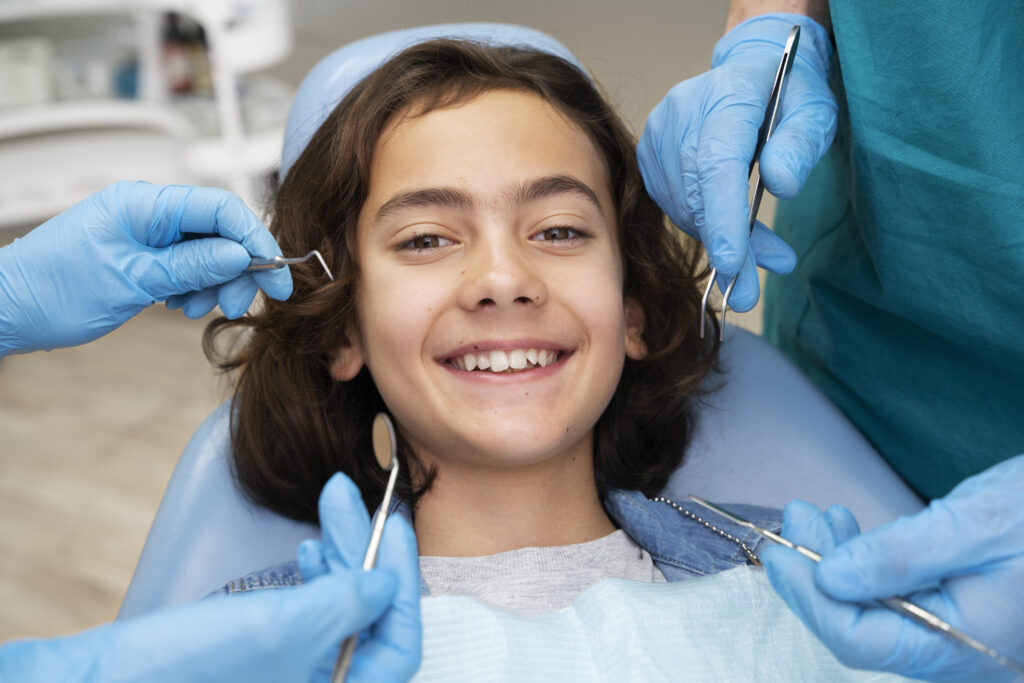
If your child only grinds occasionally and doesn’t seem bothered by it, simple monitoring and home tips are usually enough.
But it’s a good idea to seek a dentist’s advice when:
• Your child wakes with jaw pain or headaches.
• Teeth look flat, chipped, or sensitive.
• Grinding happens several nights a week.
• Sleep seems disrupted, or loud breathing is common.
• You feel unsure and want peace of mind.
At Charm Dental Care, we track changes in your child’s teeth, guide you on gentle fixes, and recommend protection only if it’s truly needed. And if your child doesn’t have dental insurance, our Charm Dental Care helps keep care affordable for families
Book a stress-free pediatric visit at any of our Charm Dental locations. We’re here to help protect growing smiles and give you answers you can trust.
You Might Also Like
• Pediatric Dentistry in Katy: How to Choose the Right Dentist for Your Child
• What to Expect During Your First Dental Visit in Katy, TX
• Dental Care for Kids
Conclusion
Teeth grinding can be surprising or even stressful for parents to notice, but in most cases, it is a normal part of childhood development. With simple home habits, supportive routines, and regular dental checkups, most kids sleep more comfortably and grow out of the habit over time.
However, if grinding causes jaw discomfort, worn teeth, or restless sleep, a gentle evaluation can help protect their smile and guide the next steps.
At Charm Dental Care, we are here to answer questions, monitor changes, and provide only the care that truly benefits your child. Your peace of mind and their healthy sleep matter to us.
FAQs (Frequently Asked Questions)
Q1. Is grinding normal in kids?
Yes, many children grind during sleep as part of normal development. Wondering why kids grind their teeth at night is common, and most grow out of it naturally as their bite changes.
Q2. Will teeth grinding damage my child’s teeth?
A little wear is common. Whether teeth grinding is harmful in children depends on how often it happens and if it causes chips, enamel loss, or jaw discomfort.
Q3. How fast can discomfort improve once addressed?
Often quickly. Once the cause is identified, most children experience less jaw soreness and better sleep within a short period.
Q4. Do kids need night guards?
Only when grinding is frequent or causes damage. The best night guard for kids is soft, comfy, and dentist-guided, especially if baby teeth are still changing.
Q5. Could allergies or snoring be connected to grinding?
Yes. Mouth breathing, snoring, or blocked airways can strain jaw muscles during sleep. That’s when we help identify when to see a dentist for grinding or recommend a simple ENT screening.
Q6. What are the signs that grinding is becoming a problem?
Flat or chipped teeth, jaw pain in children, morning headaches, disrupted sleep, or tooth sensitivity are key signs to watch for.
Q7. What gentle home tips can help with grinding?
Relaxing evenings, soft foods on sore days, and natural ways to stop bruxism in kids, like warm compresses, breathing exercises, and less screen time before bed.
Q8. Is daytime grinding related to stress?
Sometimes. Younger kids often show tension in their jaw rather than words. A calming bedtime routine and reassurance can make a difference.
Q9. Do I need to wake my child when they grind?
No. It’s better to let them sleep and let the dentist check during routine visits.
Q10. When should we schedule a dental visit for grinding?
If grinding happens several nights a week, causes soreness, affects sleep quality, or damages teeth, professional guidance is the best next step.