Many parents assume that baby teeth will eventually fall out, so a small spot or mild toothache is nothing to worry about. However, cavities in children can develop quickly and may affect your child’s ability to eat, speak, and smile comfortably.
In many cases, the early signs of tooth decay in children are easy to overlook, including white spots, tooth discoloration, sensitivity, or tooth pain while chewing.
If left untreated, baby tooth cavities can lead to infection and may even affect the healthy development of permanent teeth. Understanding these warning signs can help parents take action early and protect their child’s oral health.
At Charm Dental Care, we help families across Greater Houston prevent and treat dental problems with comprehensive pediatric dental care.
Key Takeaways
- Baby teeth are important for eating, speaking, and guiding permanent teeth into place.
- White spots, discoloration, sensitivity, and tooth pain can be early signs of cavities.
- Untreated cavities may lead to infection, discomfort, and problems with future tooth development.
- Healthy brushing habits, a balanced diet, and regular dental visits help prevent tooth decay.
- Fluoride treatments, dental sealants, and routine cleanings provide extra protection for growing smiles.
- Early diagnosis and preventive pediatric dental care can help children avoid more complex dental problems.
- Taking action at the first sign of decay helps protect your child’s smile and overall oral health.
Table of Contents
Why Baby Teeth Matter for Your Child’s Oral Health

A child’s first teeth may be temporary, but their role in long-term oral health is lasting. Baby teeth cavities and untreated tooth decay in children can affect eating habits, speech development, and the healthy eruption of permanent teeth.
Protecting these early teeth helps build a strong foundation for a lifetime of healthy smiles. Regular visits for pediatric dental care can help parents detect early dental concerns before they become painful.
Why Are Baby Teeth So Important?
| Function | Why It Matters |
|---|---|
| Chewing Food | Helps children eat a balanced and nutritious diet. |
| Speech Development | Supports proper pronunciation and language development. |
| Guides Permanent Teeth | Holds space for adult teeth to grow into the correct position. |
| Builds Confidence | Healthy teeth encourage children to smile and interact comfortably. |
Even a small cavity in baby teeth can become a bigger problem if ignored. Untreated cavities may lead to:
- Tooth pain and sensitivity.
- Difficulty chewing certain foods.
- Gum swelling or dental infections.
- Premature loss of baby teeth.
- Alignment issues with permanent teeth.
Quick Fact: Early treatment of cavities in children can often prevent discomfort and help preserve the natural baby tooth until it is ready to fall out.
Regular dental checkups, good brushing habits, and preventive treatments play a key role in reducing the risk of tooth decay in toddlers.
Book a dental appointment to help protect your child’s smile with preventive care and early treatment.

Common Signs of Cavities in Children
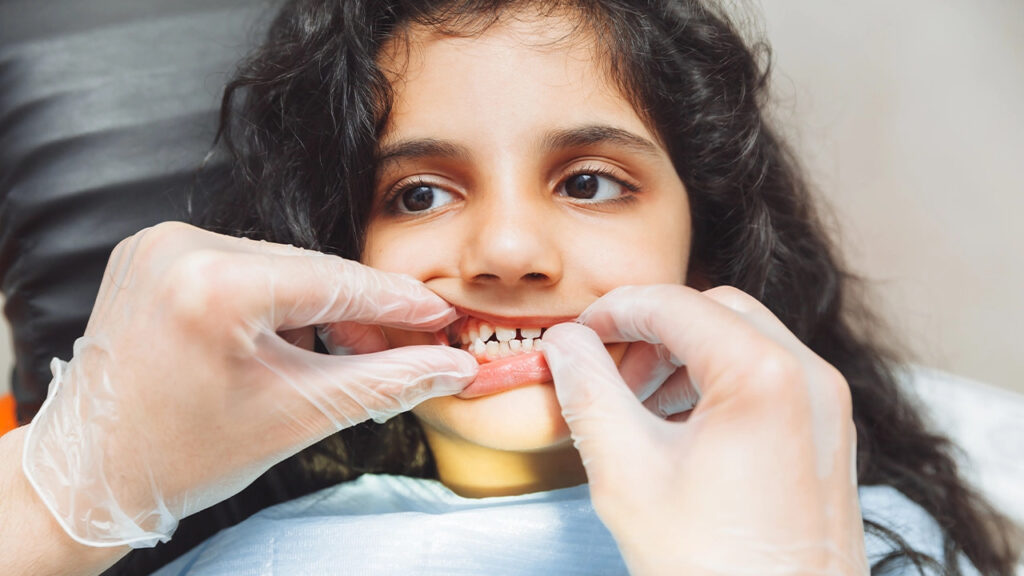
The early signs of cavities in children can be easy to miss because they do not always cause immediate pain.
Paying attention to small changes in your child’s teeth and eating habits can help you catch early signs of tooth decay in children before the problem becomes more serious.
1. White Spots on Teeth
Chalky white spots are often one of the first signs that tooth enamel is losing minerals. Without proper care, these spots can develop into a cavity in baby teeth.
2. Tooth Discoloration
Yellow, brown, or black spots may indicate that decay has started to damage the tooth. Any unusual discoloration should be evaluated by a dental professional.
3. Tooth Sensitivity
If your child complains that hot, cold, or sweet foods hurt their teeth, it could be a sign of developing cavities.
4. Tooth Pain or Discomfort
Persistent pain while chewing or biting is a common symptom of advancing decay and should not be ignored.
5. Visible Holes or Pits
Small holes, rough areas, or dark pits on the surface of a tooth are clear indicators that a cavity may already be present.
6. Persistent Bad Breath
Bad breath that does not improve with brushing may be caused by bacteria growing around decayed teeth and gums.
Some signs of cavities in toddlers are behavioral rather than visible. A child may avoid eating, chew on one side of the mouth, or become irritable because of dental discomfort.
Also Read– Why Dental Problems Rarely Hurt When They First Start
Risk Factors for Tooth Decay in Children
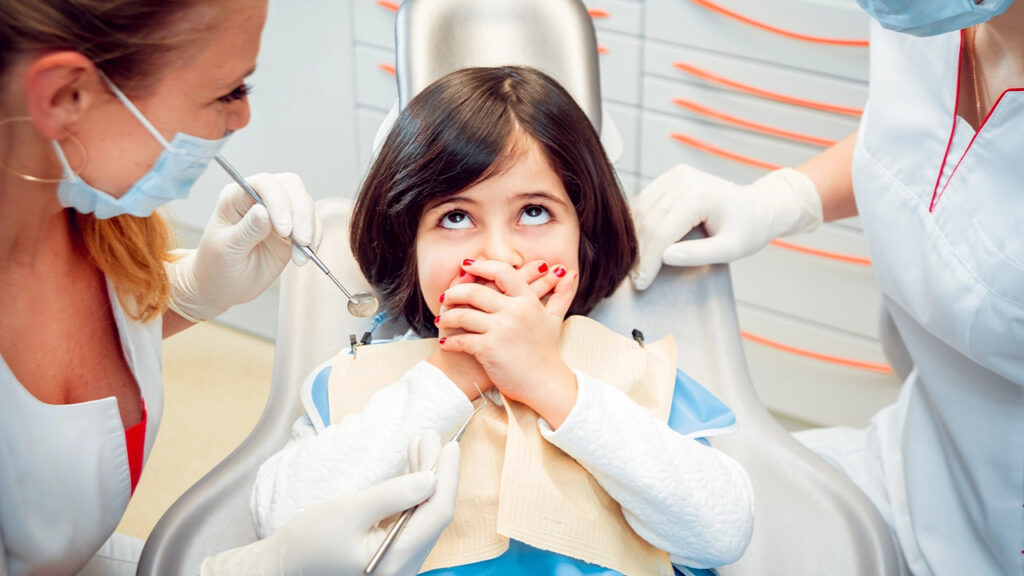
Some children are more likely to develop tooth decay in children because of daily habits, diet, and oral hygiene routines.
While some risk factors are common, many can be managed with the right preventive care and healthy habits at home.
1. Sugary Foods and Drinks
Frequent consumption of candies, chocolates, cookies, fruit juices, and soft drinks allows bacteria to produce acids that attack tooth enamel. Over time, this can increase the risk of cavities in children.
2. Poor Oral Hygiene
Skipping brushing and flossing gives plaque more time to build up on the teeth. Following a good routine and scheduling regular visits for pediatric dental care in Houston can help remove plaque and identify small dental concerns before they become bigger problems.
3. Bedtime Bottles
Letting children sleep with bottles containing milk, formula, or juice can leave sugars on the teeth for hours. This is one of the leading causes of toddler tooth decay and baby tooth cavities.
4. Missed Dental Visits
Many early cavities do not cause pain, making them difficult for parents to notice.
Routine checkups allow dentists to detect the early signs of tooth decay in children and recommend preventive treatments before a cavity worsens.
How Parents Can Help Prevent Cavities

Preventing cavities in children often starts with simple daily habits. A consistent oral care routine and regular professional care can greatly reduce the risk of tooth decay in children.
1. Build Healthy Brushing and Flossing Habits
Children should brush their teeth twice a day with fluoride toothpaste and start flossing once their teeth touch. Younger children may need help from their parents to clean every tooth properly.
2. Make Smart Food Choices
A balanced diet can help protect your child’s teeth. Try to:
- Limit sugary snacks and drinks.
- Encourage water instead of juice or soda.
- Include calcium-rich foods like milk, yogurt, and cheese.
- Offer crunchy fruits and vegetables that naturally help clean teeth.
3. Don’t Skip Regular Dental Checkups
Even if your child is not experiencing pain, routine dental visits are important for detecting early signs of tooth decay.
Preventive care can often stop small problems from becoming larger ones. Families can also learn about affordable care options through the Dental Membership Plan.
3. Consider Preventive Dental Treatments
Some children may benefit from treatments that provide extra protection against decay, including:
- Fluoride treatments.
- Dental sealants.
- Professional cleanings.
- Routine oral examinations.
Also Read: 8 Tips to Help Keep Your Teeth Clean Between Cleanings
When to Visit a Pediatric Dentist
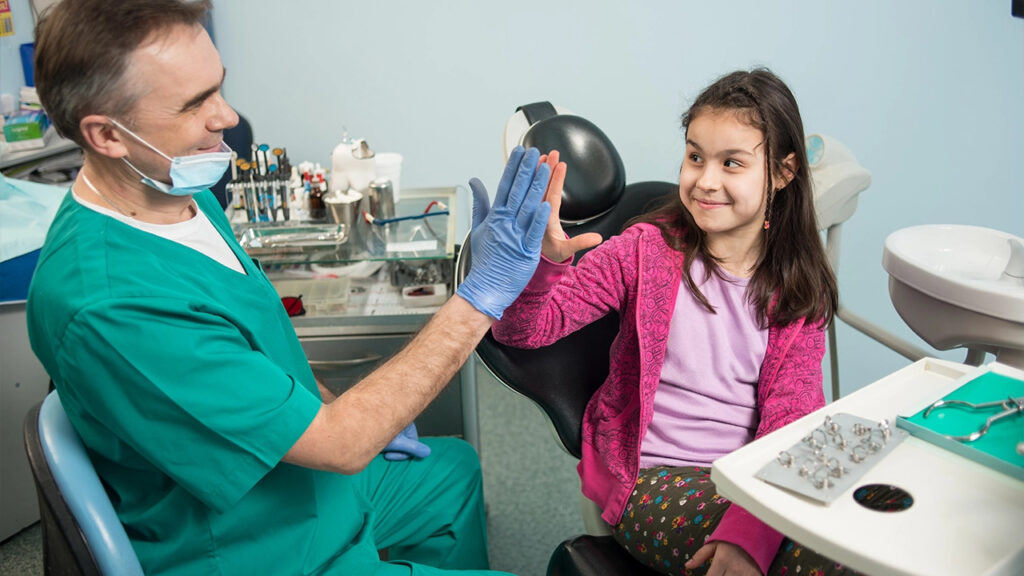
Not every small tooth concern becomes serious, but some warning signs should never be ignored.
Parents should seek professional care if their child experiences ongoing pain, visible tooth changes, or difficulty eating.
It May Be Time to Visit a Dentist If Your Child Has:
- White, brown, or black spots on the teeth.
- Sensitivity to hot, cold, or sweet foods.
- Pain while chewing or biting.
- Visible holes or pits in a tooth.
- Swollen or tender gums.
- Persistent bad breath.
- A habit of chewing on only one side of the mouth.
Many of these symptoms can be early indicators of cavities in children or more advanced tooth decay in children. Prompt treatment can help prevent infection, discomfort, and damage to developing permanent teeth.

How Charm Dental Care Supports Children’s Oral Health

Choosing the right dental team can make every visit easier for your child. Charm Dental Care provides family-friendly dental care across Greater Houston, with a focus on prevention, early diagnosis, and gentle treatment for young smiles.
Our team helps children with routine dental exams, cleanings, fluoride treatments, dental sealants, tooth-colored fillings, and personalized oral hygiene guidance. These services help parents manage small dental concerns early and support healthier baby teeth as children grow.
Preventive dental care should be accessible for every family. Parents can also explore our current dental offers to learn about available promotions that may help make children’s dental care more affordable.
Pediatric Dental Care Across Greater Houston

1. Dentist in Spring, TX
Families in Spring can visit Charm Dental Care for preventive dental checkups, cleanings, and early cavity evaluations for children.
Our team helps parents understand small changes in their children’s teeth before they become painful dental problems.
2. Dentist in Katy, TX
Our Katy dental office provides gentle dental exams, fluoride care, sealants, and tooth-colored fillings for children when needed.
Parents can count on us for age-appropriate care focused on comfort and prevention.
3. Dentist in Richmond, TX
At our Richmond location, we help children maintain healthy baby teeth through regular checkups and preventive care.
Early visits can reduce the risk of decay and help children feel more confident at the dentist.
4. Dentist in Humble, TX
Our Humble dental team provides family-friendly care for children experiencing tooth sensitivity, tooth pain, or visible changes in their teeth.
We focus on early diagnosis and simple treatment options to protect growing smiles.

You Might Also Like
1. What Is a Pediatric Dentist?
2. Is a Pediatric Dentist Necessary for Your Kid?
3. Pediatric Dental Emergencies and How to Handle Them as a Parent
Conclusion
Cavities in children often begin with small warning signs that are easy to miss, but early action can make a big difference. Paying attention to changes in your child’s teeth, encouraging healthy daily habits, and scheduling regular dental checkups can help prevent more serious dental problems.
At Charm Dental Care, we believe that preventive care and early treatment help children enjoy healthier smiles and more positive dental experiences. If you notice signs of tooth decay or have concerns about your child’s oral health, our team is here to provide gentle, family-friendly pediatric dental care
FAQs (Frequently Asked Questions)
Q1.How Can I Tell If My Child Has A Cavity?
Your child may have a cavity if you notice white spots, brown or black discoloration, sensitivity, pain while chewing, visible holes, or bad breath that does not improve with brushing.
Q2.Are Cavity Treatments Safe For Children?
Yes, cavity treatments are safe for children when performed by an experienced dental team. Treatment options may include fluoride, fillings, or other child-friendly care based on the severity of decay. Families can also review our payment and financing options
Q3.Can Baby Teeth Get Cavities?
Yes, baby teeth can get cavities. Since they have thinner enamel than adult teeth, decay can spread faster if not treated early.
Q4.What Causes Cavities In Young Children?
Common causes include sugary snacks, juice, poor brushing habits, bedtime bottles, plaque buildup, and missed dental visits.
Q5.Why Choose Charm Dental Care For My Child’s Dental Needs?
At Charm Dental Care, we focus on preventive care, early diagnosis, and gentle treatment to help children feel comfortable during every visit. Parents can learn more about our philosophy and commitment to family dentistry.
Q6.When Should I Take My Child To The Dentist For A Cavity?
You should visit a dentist if your child has tooth pain, sensitivity, swelling, visible spots, or difficulty eating. Early treatment can prevent the problem from getting worse.
Q7.How Can I Prevent Cavities In My Child’s Teeth?
Brush twice daily, limit sugary foods and drinks, drink plenty of water, floss when teeth touch, and schedule routine dental checkups.