If you’re tired of dentures that slip, click, rub sore spots, or make you second-guess every meal, it may be time to look at a fixed solution. Many Richmond patients reach this point after years of adhesives, soft-food habits, and constant worry that dentures will move when they talk or laugh.
That’s where all-on-4 dental implants often come up because they’re designed to replace a full arch with a stable set of teeth you don’t remove at night.
The best first step is a consultation with a Dentist in Richmond, TX, who can check bone support, gum health, and whether you’re a good fit for full-arch treatment.
Key Takeaways
- All-on-4 implants are a fixed option for people tired of loose or uncomfortable dentures.
- They replace a full arch of teeth with a set that stays in place.
- Many people choose them for better chewing, speaking, and daily confidence.
- They feel more stable than traditional dentures and do not need to be removed at night.
- The treatment cost is higher than that of removable dentures, but it offers a long-term solution.
- Many patients use monthly payment plans to make treatment more manageable.
- Recovery happens in stages, with the first week, first month, and first year all being important.
- Eating, speaking, and smiling usually feel easier and more natural after healing.
- Not everyone is the right candidate, so a scan and full check are important first.
- The best way to know if All-on-4 is right for you is to schedule a proper consultation.
Table of Contents
Who Typically Chooses Full-Arch Implants in Richmond and Why?
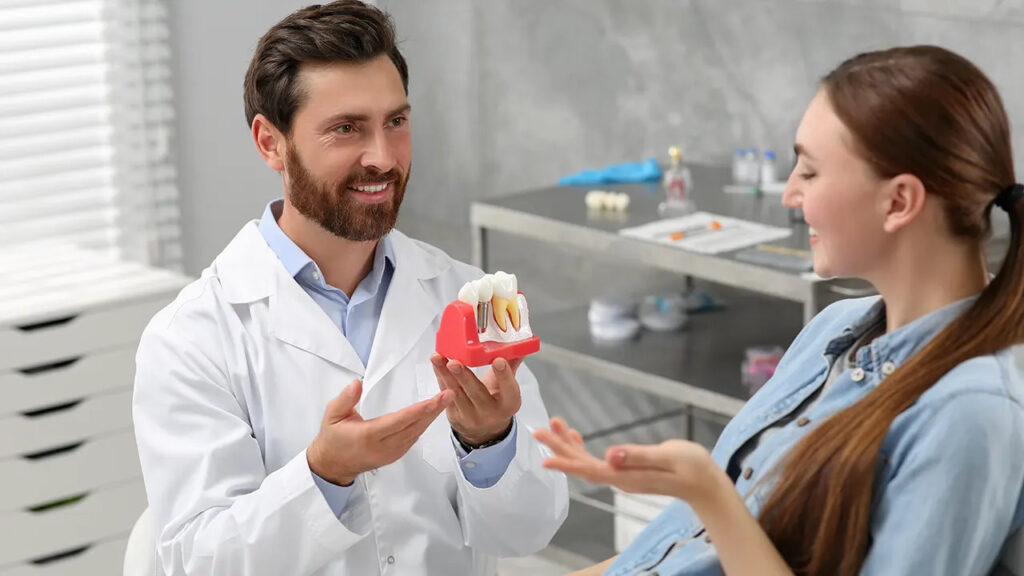
Full-arch implants are usually chosen by people who are done “coping” and want a real upgrade in function, comfort, and confidence.
If you’re wondering whether you might be an all-on-4 candidate, here are the most common situations when patients begin to seriously consider fixed full-arch options.
Common reasons people choose full-arch implants
1. You’re tired of denture problems
- Slipping, clicking, sore spots, or needing adhesive daily.
2. You’ve lost multiple teeth or most teeth in an arch
- Chewing becomes limited, and social confidence takes a hit.
3. You want a fixed solution, not something removable
- Many patients want teeth that feel “part of them,” not a device.
4. You want a stable bite again
- A stable bite can make eating, speaking, and smiling feel normal again.
Health and lifestyle factors that affect candidacy
- Gum health and infection control.
- Bone support and anatomy (3D scan helps confirm).
- Smoking, uncontrolled diabetes, or certain medications may affect healing.
- Commitment to hygiene and follow-up care.
At Charm Dental Care, you’ll see the clinic’s patient-first approach, which matters here because full-arch planning should be clear, realistic, and tailored, not rushed.
Also Read: Know Why You Should Consider Dental Implants
All-on-4 vs Traditional Dentures vs Implant-Supported Dentures: Honest Pros and Cons
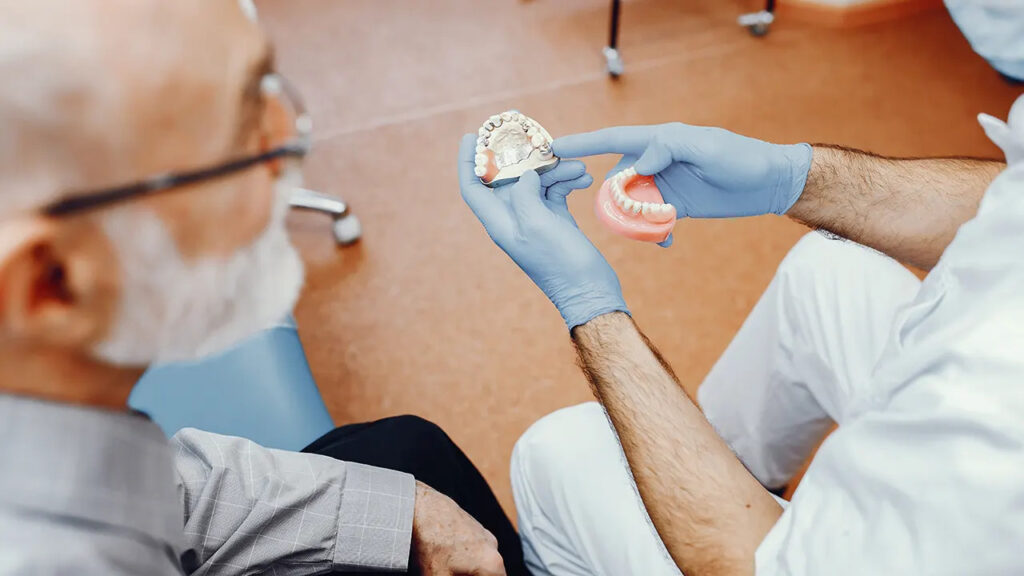
This is the comparison most people actually need. “Dentures” isn’t one category; there’s a big difference between removable dentures, snap-in dentures, and a fixed solution.
If you want a visual idea of what full-arch results can look like, View Our Dental Clinic Gallery while reading this section, so the differences feel more real, not abstract:
When patients compare all-on-4 vs dentures, they’re usually weighing stability, daily comfort, and whether they want removable dentures.
Quick pros and cons
| Option | Pros | Cons |
| Traditional removable dentures. | Lowest upfront cost. No surgery. | Can slip/click. Sore spots. Adhesives. Chewing limits. Bone shrinkage continues. |
| Implant-supported dentures (snap-in). | More stable than traditional dentures. Less movement. | Still removable. Attachments need maintenance. May feel bulky. |
| All-on-4 fixed full-arch. | Fixed teeth feel secure. Strong chewing. No daily removal. | Higher upfront cost. Surgery + healing. Requires maintenance. |
How to pick between them?
- If you want the lowest upfront cost and no surgery, removable dentures may be an option.
- If you want more stability but still don’t mind removing teeth at night, implant-supported dentures can be a middle step.
- If your goal is “teeth that don’t move,” All-on-4 is usually the fixed option people mean.
What Actually Happens on Your All-on-4 Surgery Day?
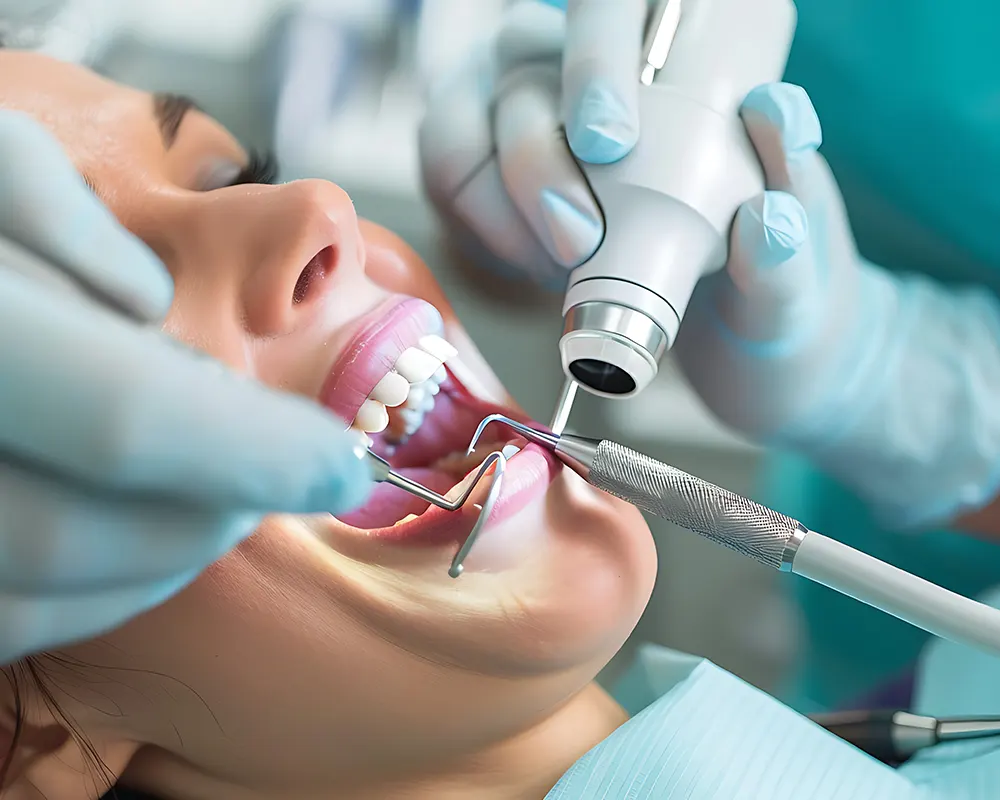
Surgery day sounds scary until you know the rhythm of it. The All-on-4 procedure is typically planned in steps, so you’re not guessing what’s next.
Before you arrive (what’s usually confirmed)
- Health history review and consent.
- Imaging and surgical plan confirmation.
- Sedation plan (based on your case).
- Final review of the “same-day teeth” plan, if you’re receiving a temporary arch.
During the appointment
Step 1. Prep and comfort
You’re made comfortable, and the team confirms the plan one last time.
Step 2. Tooth removal (if needed)
If remaining teeth in the arch can’t be saved, they may be removed the same day.
Step 3. Implant placement
Typically, four implants are placed in strategic positions to support the full arch.
Step 4. Temporary teeth (when applicable)
Many All-on-4 cases include a temporary fixed set, so you’re not leaving toothless.
After surgery (what you go home with)
- A clear medication and care plan.
- Food guidelines (soft diet early).
- Follow-up schedule to monitor healing.
Because planning is everything for full-arch cases, it helps to know who is guiding your treatment. Our dentists will see the providers involved in advanced implant planning and patient care.
Also Read: The Patient’s Guide to Dental Implant Surgery

What Full-Arch Implants Cost in Richmond, TX (Per Arch and Both Arches)?
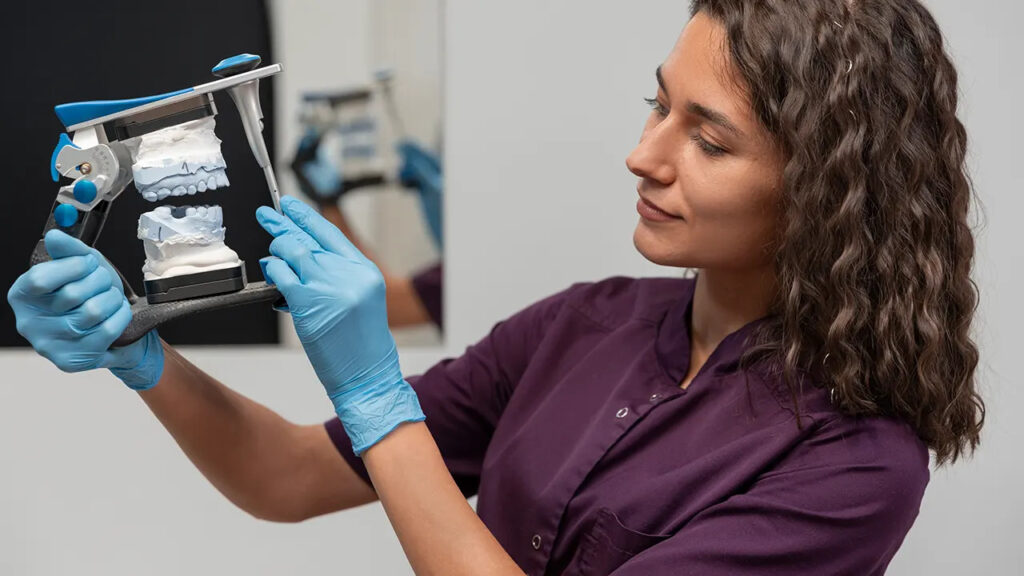
Full-arch pricing can feel like a big jump compared to dentures because you’re paying for surgery, implants, a full set of teeth, and the planning that makes it function properly.
The cleanest way to think about all-on-4 cost is: per arch (top or bottom) vs. both arches (full mouth).
| Treatment | Typical range | Notes |
| All-on-4 (one arch) | $15,000–$30,000+. | Varies by materials, complexity, extractions, grafting, and sedation. |
| All-on-4 (both arches) | $30,000–$60,000+. | Depends on the procedures needed and restoration type. |
Note- Prices may change based on your bone support, gum health, whether tooth extractions or grafting are needed, sedation choices, and the type of final teeth selected.
The only accurate number comes after a clinical exam and a 3D scan.
What makes the price move up or down?
- Extractions and infection control needs.
- Bone grafting or sinus lift (case-dependent).
- Sedation and surgical complexity.
- Temporary teeth vs final teeth materials.
- Warranty, maintenance, and follow-ups included.
Also Read– How Much Do Full Mouth Dental Implants Cost? A Complete Cost Guide
Financing a New Smile: Typical Monthly Payments and How People Budget for Full-Arch Treatment

Most patients don’t fund a full-arch case with a single bank transfer.
They build a plan with a down payment, monthly payments, and sometimes splitting treatment phases. That’s why all-on-4 financing is such a common part of the conversation.
Common budgeting styles
1) Down payment + monthly plan
- Pay a portion upfront, then spread the rest over fixed monthly payments.
2) Phase the case
- Handle extractions/infection control first, then implants/restoration when you’re ready.
3) Combine financing tools
- Refund + savings + monthly payment plan works well for many families.
Sample monthly payment table
| Total treatment cost | 24 months | 36 months | 60 months |
| $20,000 | ~$833/mo | ~$556/mo | ~$333/mo |
| $40,000 | ~$1,667/mo | ~$1,111/mo | ~$667/mo |
Note. These examples exclude interest and fees. Your actual monthly amount depends on approval terms, down payment, and plan length.
If you’re uninsured or want predictable savings on ongoing dental care around your treatment, many patients also review the Dental Membership Plan while building their budget.
Also Read: Is Dental Insurance Worth It?
Recovery Timeline: The First Week, First Month, and First Year with Full-Arch Implants
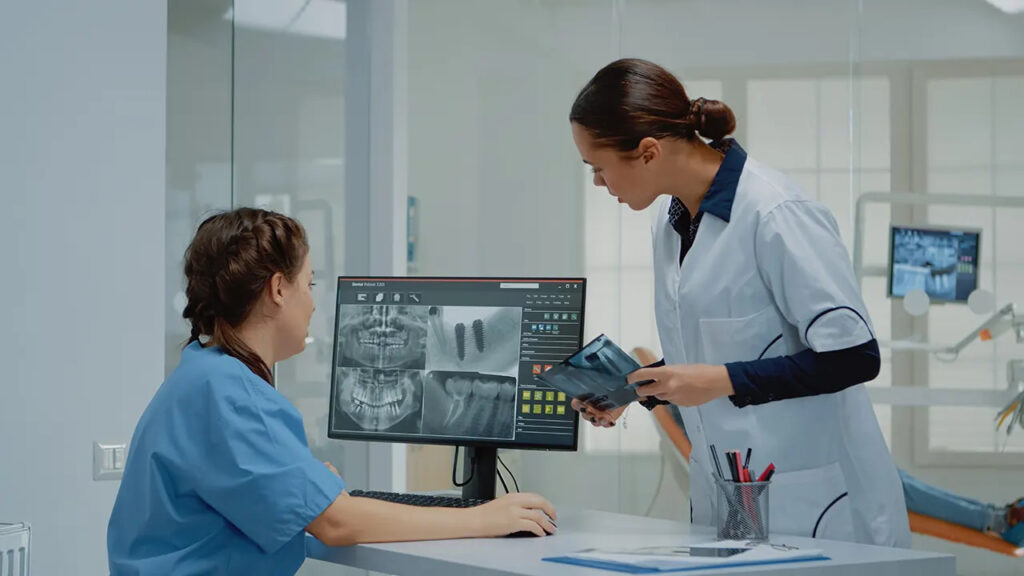
The part people worry about most is recovery because they don’t want to feel “out of action” for weeks. The truth is, all-on-4 recovery time often feels very manageable day-to-day, but healing still happens in phases.
If you’re using benefits for related care, it helps to understand what your plan supports. Many patients review Dental Insurance early so they can plan around timelines and annual maximums.
First week (what it usually feels like)
- Swelling peaks around days 2–3, then improves.
- Soft diet is non-negotiable.
- Talking feels different at first, especially with a new temporary arch.
- You’ll be focused on rinsing and keeping the area clean without aggressive brushing.
First month (settling in)
- You’ll feel more normal in daily routines.
- Soft foods expand gradually, but hard chewing is still limited.
- Follow-ups matter to check bite pressure and tissue healing.
First year (the long game)
- Bone integration continues over time.
- Your final teeth (if not placed immediately) are designed for strength and long-term fit.
- Maintenance becomes routine: hygiene, professional cleanings, and bite checks.
Quick recovery tips that make a big difference
- Plan 2–3 low-demand days after surgery if you can.
- Stick to the food plan (chewing too early can disrupt healing).
- Keep follow-ups even if you “feel fine.”
Eating, Speaking, and Smiling with All-on-4: Day-to-Day Life After Treatment

This is the part people care about most: what life actually feels like once you’re living with it. Living with all-on-4 usually means less worry, fewer “dentures moments,” and more confidence in normal routines.
If you’re planning timing around promotions, some patients also keep an eye on Current Dental Offers while scheduling consults and treatment phases.
1. Eating (what changes)
Early phase
- Soft foods only, even if you feel fine.
- You’re protecting healing, not “testing strength.”
After healing
- Many patients enjoy a wider diet again, especially foods that were frustrating with dentures.
- You’ll still want to avoid using your teeth like tools (ice, hard candy, etc.).
2. Speaking (what’s real)
- Expect a short adjustment period during which certain sounds may feel different.
- Reading aloud at home for a few days helps the tongue adapt quickly.
- Bite-and-fit checks matter if speech feels “off.”
3. Smiling and confidence
- Fixed teeth remove the constant worry about movement or clicking.
- Photos, social events, and meals often feel easier because you’re not managing a removable appliance.

Risks, Complications, and How a Richmond Implant Team Keeps You Safe

All-on-4 is predictable for many patients, but it’s still surgery, and it’s smart to talk about risks without sugarcoating. The good news is that most issues are preventable with good planning, hygiene, and follow-up care.
This section covers all on 4 complications in a practical way, so you know what to watch for and how clinics reduce risk.
Common risks (and what they can look like)
| Risk | What it may feel like | How it’s reduced |
| Infection or inflammation. | Swelling, bleeding, and persistent bad taste. | Proper cleaning routine, follow-ups, and treating gum disease first. |
| Implant not integrating. | Persistent discomfort or looseness (uncommon). | 3D planning, healthy bone assessment, and controlling risk factors. |
| Bite imbalance. | Soreness, uneven pressure, speech changes. | Careful bite checks and adjustments. |
| Temporary teeth issues. | Chipping or wear early on. | Soft diet compliance and protective guidance. |
The biggest “hidden” risk factor
- Smoking and uncontrolled diabetes can slow healing and raise the risk.
What to ask your team (simple but important)
- What is my biggest risk factor?
- What’s the follow-up schedule, and who handles adjustments?
- What maintenance is expected long-term?
If you want to ask these questions before your consultation, contact us for guidance on implant planning, risks, and recovery expectations in Richmond.
All-on-4 vs Several Single Implants: Which Makes More Sense Long-Term?
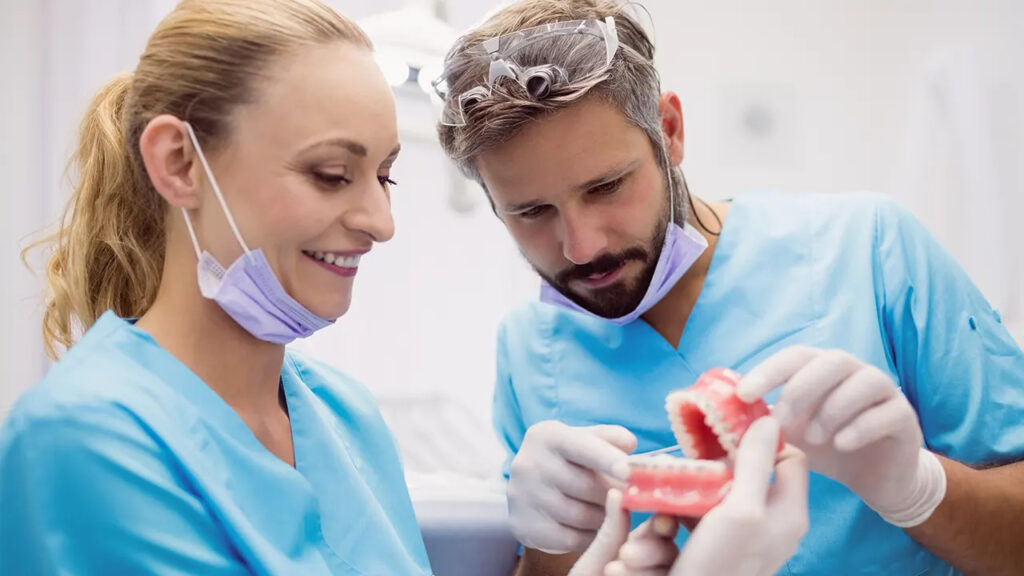
This decision usually comes down to how many teeth you’re replacing and what outcome you want: a fixed full-arch solution or rebuilding tooth by tooth.
When people compare all on 4 vs multiple implants, they’re really comparing total surgery time, number of components, maintenance style, and cost predictability.
Quick comparison (long-term thinking)
| Option | Makes more sense when | Trade-offs |
| All-on-4 full-arch. | You’re missing most teeth in an arch and want a fixed solution. | Bigger single project; needs good hygiene and maintenance. |
| Several single implants. | You’re missing only a few teeth, and nearby teeth are healthy. | More individual parts can be higher total cost if many teeth are missing. |
A simple way to decide
- Missing many teeth or already in dentures → All-on-4 is often the practical long-term move.
- Missing a small number of teeth → single implants may be cleaner and more conservative.
If you’re weighing options across locations or want a second perspective on planning, you can also look at care availability at a Dentist in Katy, TX, while comparing timelines and access to consultations.
Also Read: What Are the Three Types of Dental Implants?
Real Patient Stories: How a Fixed Full-Arch Changes Confidence and Daily Routines
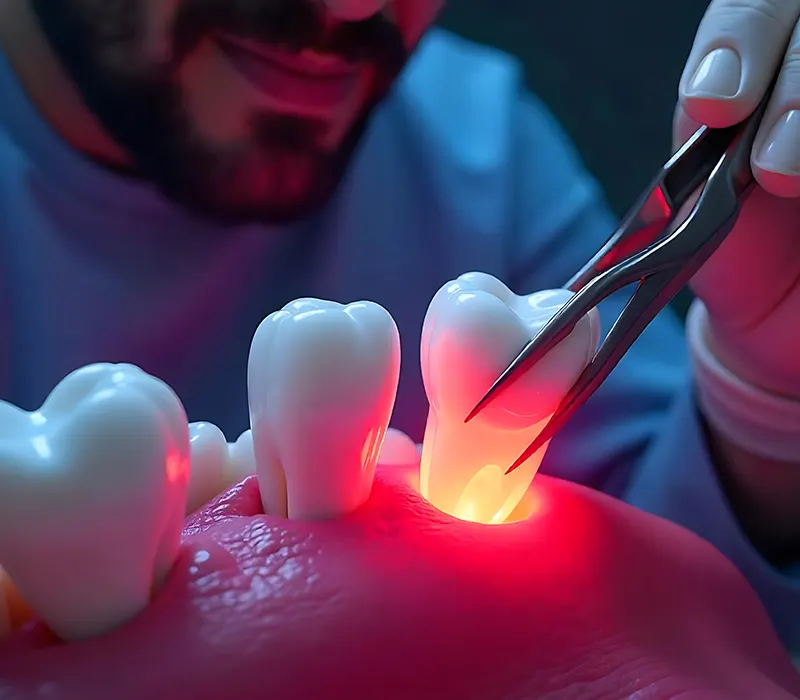
Patients usually describe the biggest change as mental rather than medical. Once teeth feel stable, they stop planning life around dentures.
That’s what people mean when they talk about all-on-4 before-and-after; it’s the difference between managing teeth and just living normally.
Story patterns patients often share
1. Meals feel normal again
They stop choosing “safe foods” and start eating in public without worrying about movement or clicking.
2. They smile without checking first
No more hand-over-mouth moments, avoiding photos, or worrying the denture will shift mid-laugh.
3. Morning and night routines get simpler
Less adhesive, fewer emergency fixes, less stress before leaving home.
4. Confidence comes back in small ways
Talking, dating, presentations, family events, and even quick conversations feel easier.
If you’re deciding whether a full-arch is worth it, you can also check appointment availability at a Dentist in Humble, TX, when comparing consult timelines across nearby locations.
Why Choose Charm Dental Care for Full-Arch Implants in Richmond?
Charm Dental Care Richmond
Full-arch treatment is a big decision, so it helps to work with a team that keeps the process clear and calm from the first scan to the final teeth.
1. Clear planning and straightforward expectations
Our focus is on explaining what your case needs, what the timeline looks like, and what realistic outcomes are so you’re not left guessing mid-treatment.
2. Practical budgeting support
Full-arch work is a major investment, and many patients want a plan they can actually stick to. Reviewing Flexible Dental Payment Options early can help you understand monthly payment routes and how to phase treatment if needed.
3. Easy next step in Richmond
If you want a no-pressure start, you can ask what’s included in a full-arch consultation and what to bring for a candidacy check in Richmond.

You Might Also Like
1. How Long Do Dental Implants Last?
2. Who Is a Right Candidate for All-on-X Dental Implants?
3. Risk Factors for Dental Implants
When to Talk to a Richmond Dentist About Full-Arch Implants
If dentures have started to control your choices of what you eat, how you speak, and whether you smile in photos, it’s a good time to at least explore a fixed option. All-on-4 can make sense when you want stable teeth in a single coordinated plan, especially if you’re missing most of the teeth in an arch or you’re tired of adhesives and slipping.
The next step is a consultation with imaging, so you’re not guessing about bone support, timeline, or cost. If you want to compare availability across nearby clinics while planning, you can also check scheduling options with a Dentist in Spring, TX as part of your research.
If you’re ready for clear answers, book a consult and request a 3D scan for All-on-4 planning to confirm candidacy, costs, and a realistic recovery plan. Book a Dental Appointment now.
FAQs (Frequently Asked Questions)
Q1. What Is An All-on-4 Or Full-Arch Implant Treatment?
All-on-4 is a full-arch implant approach that replaces an entire upper or lower arch with a fixed set of teeth supported by implants. Instead of replacing teeth one-by-one, it supports a full bridge, so you get stable teeth that don’t come out like removable dentures.
Q2. How Do I Know If I’m A Good Candidate For All-on-4?
You may be a good candidate if you’re missing most teeth in an arch, struggling with dentures, or have failing teeth that can’t be saved. Candidacy depends on gum health, bone support, medical history, and habits like smoking or uncontrolled diabetes. A 3D scan is usually the quickest way to confirm.
Q3. Is All-on-4 Really Better Than Regular Dentures?
For many patients, yes, mainly because fixed teeth feel more stable for eating and speaking, and you don’t rely on adhesives. Regular dentures can still be a fit for people who want the lowest upfront cost or don’t want surgery. The “better” choice depends on your comfort goals and budget.
Q4. How Long Does The All-on-4 Procedure Take?
It varies by case, but surgery day often includes extractions (if needed), implant placement, and sometimes a temporary fixed arch. The appointment length depends on complexity, sedation choice, and whether you’re doing one arch or both.
Q5. How Much Does All-on-4 Cost In Texas?
Pricing varies by clinic, materials, and whether extractions, grafting, or sedation are needed. Many patients are quoted per arch and higher for both arches. The most accurate number comes after an exam and a 3D scan, so the plan matches your anatomy and needs.
Q6. Can I Make Monthly Payments For All-on-4 Implants?
Often, yes. Many patients use a down payment plus financing to spread out the cost, or they phase treatment over time. To explore monthly payment routes early, you can review Flexible Dental Payment Options.
Q7. How Long Does It Take To Recover From All-on-4 Treatment?
Most people feel “functional” within days, but healing happens in stages. The first week is usually about controlling swelling and following a soft diet; the first month is about adjustment and follow-ups; and the first year is about long-term integration and maintenance.
Q8. What Can I Eat After All-on-4 Surgery?
Soft foods are key early on, think yogurt, eggs, mashed potatoes, soups (not too hot), smoothies, soft pasta, and fish. Hard, crunchy, or chewy foods should wait until your dentist clears you, because early chewing pressure can disrupt healing.
Q9. What Are The Risks Of All-on-4 Implants?
Risks can include infection, inflammation, implant integration issues, bite imbalance, or temporary-tooth chipping if diet guidelines aren’t followed. Most risk is reduced by proper planning, controlling gum disease first, and maintaining consistent follow-ups and oral hygiene.
Q10. Is It Better To Get All-on-4 Or Separate Implants?
If you’re missing many teeth in an arch, All-on-4 is often the practical fixed solution with fewer implants supporting a full bridge. If you’re missing only a few teeth and the rest are healthy, individual implants can be a more conservative option. The best choice depends on how many teeth you’re replacing and your long-term goals.
Q11. Are Full-Arch Implants Really Worth It?
For patients who feel limited by dentures, full-arch implants can be worth it because they reduce daily stress, improve stability while eating and speaking, and restore confidence. The key is choosing a plan that fits your health, your budget, and your willingness to maintain the results.