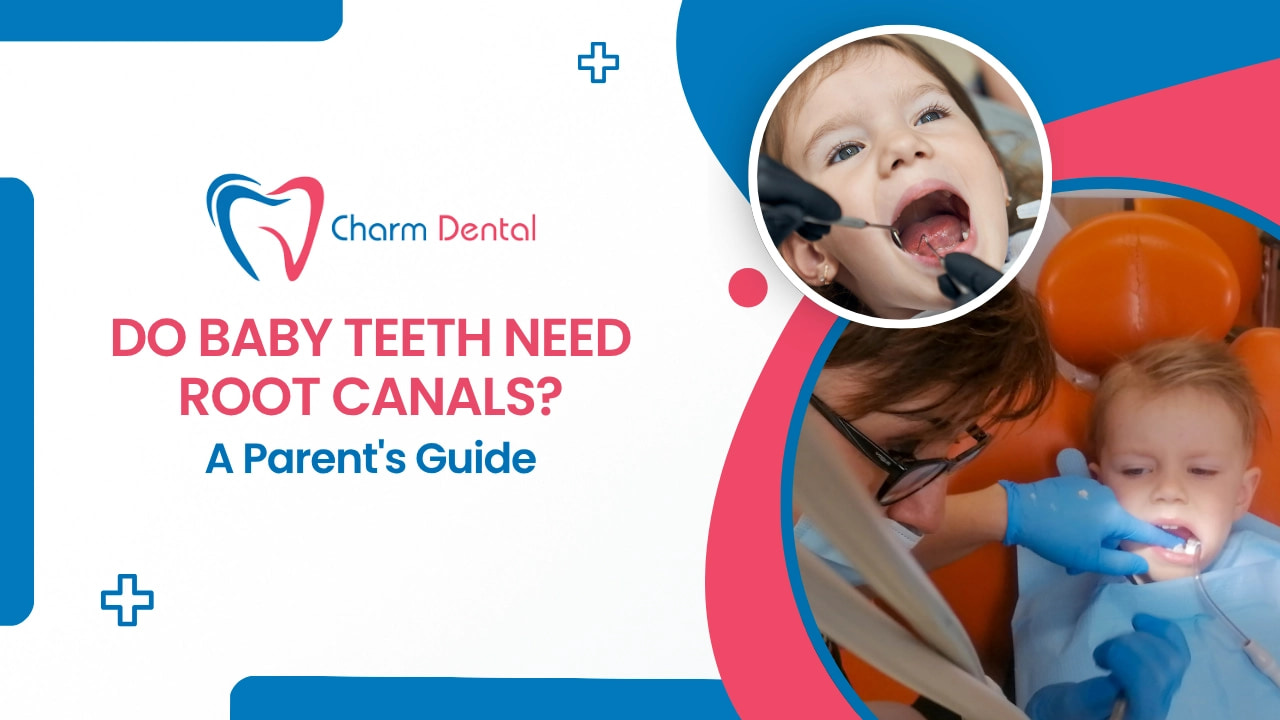
They are only baby teeth, so why treat them? It is a common question, but ignoring decay in primary teeth can lead to pain, infection, difficulty eating, and problems with the development of permanent teeth.
In fact, around half of U.S. children aged 6–9 have experienced dental cavities in their primary or permanent teeth, underscoring how common childhood tooth decay is.
Baby teeth also help children chew, speak clearly, and maintain space for adult teeth. When decay reaches the inner pulp, pulp therapy, sometimes described as a baby tooth root canal, may be recommended.
This guide explains when treatment is needed, how it works, and what parents should expect.
Key Takeaways
- Baby teeth support chewing, speech, jaw development, and spacing for permanent teeth.
- Deep decay or dental trauma can damage the pulp inside a primary tooth.
- Pulpotomy and pulpectomy treat different levels of pulp damage.
- Saving a restorable baby tooth may help prevent early space loss and tooth shifting.
- Extraction may be recommended when the tooth cannot be restored or is close to falling out.
- Early treatment can relieve discomfort and prevent an infection from worsening.
- Daily brushing, fluoride, flossing, healthy food choices, and regular checkups help prevent deep decay.
Table of Contents
Why Are Baby Teeth Important?

Baby teeth may be temporary, but they play an important role in a child’s everyday comfort and long-term dental development.
Healthy primary teeth help children eat, speak, smile confidently, and maintain space for the permanent teeth developing underneath.
- Support comfortable eating: Healthy baby teeth help children bite and chew a variety of foods without pain or sensitivity.
- Help with speech development: The teeth, lips, and tongue work together to form sounds. Missing or painful teeth may make certain words more difficult to pronounce clearly.
- Guide healthy jaw development: Primary teeth support the normal development of the jaws, facial muscles, and bite as a child grows.
- Save space for permanent teeth: Baby teeth act as natural placeholders for adult teeth. Losing a primary tooth too early may cause nearby teeth to shift, reducing the space available for the permanent tooth.
- Build confidence: Children are more likely to smile, speak, and interact comfortably when their teeth are healthy and pain-free.
This is why tooth decay in baby teeth should not be ignored.
Related Read: Baby Teeth Development Chart: When Do Baby Teeth Come In and Fall Out?
Can Baby Teeth Really Need Root Canal Treatment?
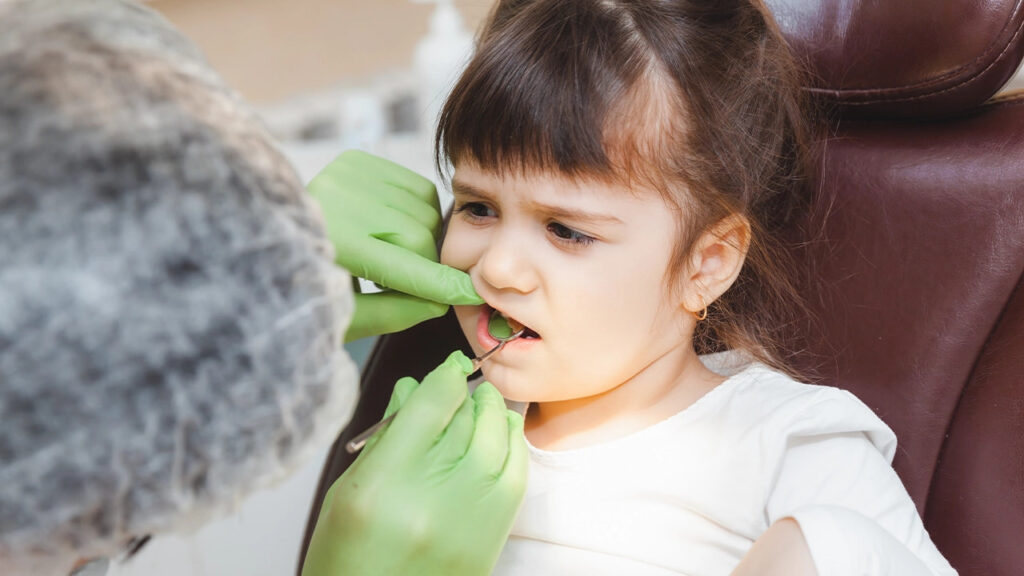
Yes, a baby tooth can need root canal treatment when deep decay or an injury damages the pulp inside the tooth.
The pulp contains nerves and blood vessels, so infection in this area can cause tooth pain, swelling, sensitivity, or an abscess.
The purpose of a baby tooth root canal is not to keep the tooth forever. It is to remove the damaged tissue, control the infection, and preserve the tooth until it is naturally ready to fall out. Keeping the tooth may also help maintain space for the developing permanent tooth.
The type of treatment depends on the condition of the pulp. Treatment depends on the condition of the pulp. A pulpotomy removes the pulp from the crown of the tooth when the pulp inside the roots is still healthy enough to preserve.
A pulpectomy removes pulp tissue from both the crown and root canals when the pulp is irreversibly inflamed or no longer vital.
Parents concerned about pain, swelling, or deep decay can meet the professional dentists who care for children at Charm Dental Care and discuss whether treatment is needed.

What Causes Baby Teeth to Need Root Canal Treatment?
A root canal on baby teeth is usually recommended when decay or injury reaches the soft pulp inside the tooth.
When the pulp becomes irreversibly inflamed or infected, dental treatment may be needed to relieve discomfort, control infection, and determine whether the tooth can be preserved.
| Common Cause | How It Can Damage the Tooth |
| Deep cavities | Decay can spread through the enamel and dentin until it reaches the pulp. |
| Untreated tooth decay | A small cavity may become larger and lead to pain or infection. |
| Dental trauma | A fall, sports injury, or impact can damage the pulp even when the tooth looks intact. |
| Cracks or fractures | Openings in the tooth may allow bacteria to reach the inner tissue. |
| Severe infection | Bacteria inside the pulp can cause swelling, an abscess, or discomfort while chewing. |
A baby tooth infection should be examined promptly because delaying care may allow the problem to spread into the surrounding gums or bone.
Parents who are worried about a damaged or painful tooth can contact Charm Dental Care for guidance on children’s dental care.
Also Read: Cavities: Causes, Symptoms, and Treatment
Signs Your Child May Need a Baby Tooth Root Canal
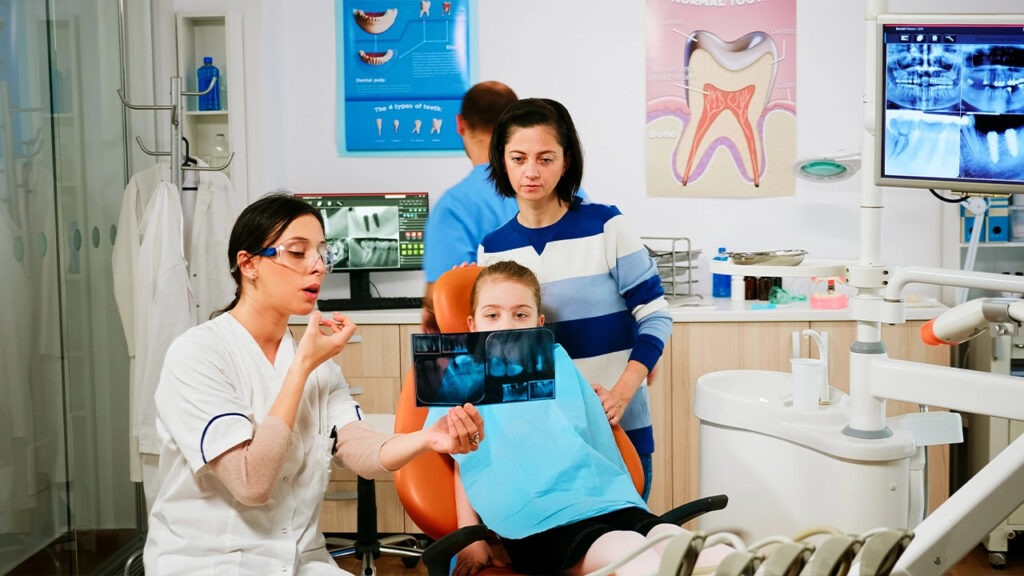
Children may not always explain dental pain clearly, so parents should watch for changes in eating habits, sleep, mood, or the appearance of the teeth and gums.
A child’s tooth infection can worsen when treatment is delayed, which is why it is important to schedule a dental evaluation for your child when warning signs appear.
- Persistent tooth pain: Pain that continues, returns frequently, or wakes a child at night may indicate deeper pulp damage.
- Swelling around the tooth: Puffy gums, facial swelling, or tenderness near a tooth can be a sign of infection.
- A bump on the gum: A small pimple-like swelling may indicate a dental abscess caused by infection draining through the gum.
- Sensitivity to hot or cold: Discomfort that lingers after eating or drinking may suggest that the pulp is inflamed.
- Tooth discoloration: A tooth that becomes gray, brown, or darker than the surrounding teeth may have been damaged by decay or trauma.
- Difficulty chewing: Children may avoid one side of the mouth, refuse harder foods, or complain when biting down.
- Bad taste or persistent bad breath: Drainage from an infected tooth can sometimes cause an unpleasant taste or odor.
Early treatment can relieve discomfort, control the infection, and help determine whether a baby teeth root canal is needed to preserve the tooth.
What Is a Pediatric Root Canal?
A pediatric root canal is a treatment used to remove damaged or infected pulp from a baby tooth.
The pulp is the soft tissue inside the tooth that contains nerves and blood vessels. The exact procedure depends on how far the infection has spread.
Before treatment, the dentist examines the tooth and may take an X-ray to determine whether a pulpotomy, pulpectomy, or another treatment is appropriate.
Parents can check the dental insurance plans accepted by us before proceeding with their child’s recommended care.
1. Pulpotomy for Kids
A pulpotomy may be performed when the pulp in the crown is exposed or inflamed, while the pulp inside the roots remains healthy enough to preserve.
The dentist removes the affected coronal pulp and treats the remaining tissue before sealing the tooth.
The remaining area is treated and sealed to protect the tooth. A dental crown is often placed afterward, particularly on a baby molar, to restore strength and chewing function.
2. Pulpectomy for Kids
A pulpectomy may be recommended when the infection extends into the root canals. The dentist removes the pulp from both the crown and roots of the tooth.
The canals are then cleaned, disinfected, and filled with a material suitable for primary teeth.
The canals are filled with a material selected for primary teeth that is compatible with the natural resorption of the roots as the permanent tooth develops.
3. Pulpotomy vs Pulpectomy
| Treatment | Area Treated | When It May Be Recommended |
| Pulpotomy | Pulp inside the crown | The root pulp remains healthy enough to preserve |
| Pulpectomy | Pulp inside the crown and roots | Infection has spread into the root canals |
Understanding pulpotomy vs pulpectomy helps parents recognize that every root canal on baby teeth is different.
The dentist selects the most appropriate treatment based on the severity of the infection, the condition of the tooth, and how long it needs to remain in place.
Is It Better to Remove the Baby Tooth Instead?

Removing an infected baby tooth may seem simpler than treating it, but tooth extraction is not always the preferred option.
The decision depends on the tooth’s condition, its expected remaining lifespan, the infection, and the development of the permanent tooth.
The dentist will consider the child’s age, the condition of the tooth, the location of the infection, and how soon the permanent tooth is expected to erupt.
When Saving the Tooth May Be Better
A root canal for children may help preserve the baby tooth until it is naturally ready to fall out. Keeping the tooth can:
- Maintain space for the permanent tooth.
- Support normal chewing and speech.
- Prevent nearby teeth from shifting.
- Reduce the risk of future crowding.
- Avoid the possible need for a space maintainer.
Families can find a convenient Charm Dental Care office when they need an evaluation for an infected or badly decayed baby tooth.
When Extraction May Be Recommended
Removing the tooth may be considered when:
- The tooth is too damaged to restore.
- The infection has spread extensively.
- Most of the root has already dissolved.
- The permanent tooth is close to erupting.
- Root canal treatment is unlikely to succeed.
Why Space Maintenance Matters
When a baby tooth is removed too early, the surrounding teeth may move into the open space. This can leave less room for the permanent tooth and may contribute to crowding or alignment problems later.
In some cases, the dentist may recommend a space maintainer after extraction.
However, not every child needs one. The decision depends on the tooth removed, the child’s dental development, and the expected eruption time of the permanent tooth.
The best choice between extraction and a baby tooth root canal should be based on a complete dental examination rather than the assumption that a baby tooth does not need to be saved.

Recovery After a Pediatric Root Canal
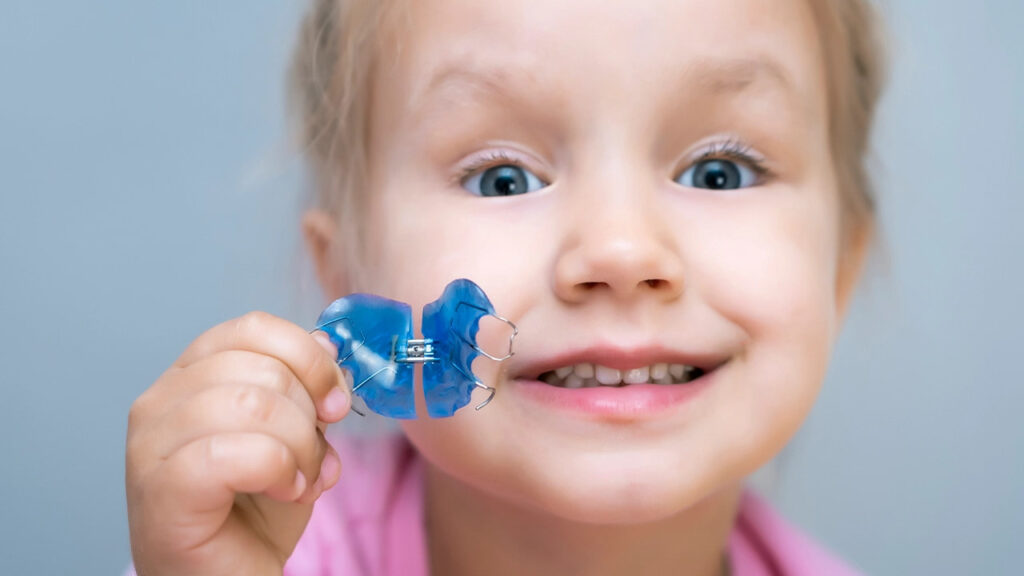
Recovery after pediatric pulp treatment is often manageable. The timing for returning to normal eating and activities depends on the procedure, anesthesia, restoration, and instructions provided by the dentist.
Mild soreness or tenderness may occur for a short time, especially once the numbness wears off.
What Parents Should Expect
- Temporary numbness: Your child should avoid chewing until normal feeling returns to prevent biting the cheek, lip, or tongue.
- Mild discomfort: Some tenderness around the treated tooth is normal. Use only the pain relief recommended by the dentist or pediatrician.
- Soft foods: Once normal sensation begins to return and the dentist says eating is appropriate, offer soft foods such as yogurt, mashed potatoes, pasta, or lukewarm soup.
- Gentle brushing: Continue brushing carefully around the treated tooth to keep the area clean without irritating the gums.
- Crown care: Avoid very sticky or hard foods that could loosen or damage the crown placed over the tooth.
- Follow-up visits: Attend any recommended appointments so the dentist can monitor healing and check that the restoration remains secure.
Parents can explore current dental offers and savings if follow-up restorative care is recommended.
Contact the dental office promptly if your child develops increasing pain, facial swelling, fever, persistent bleeding, or a loose crown after treatment.
How Can Parents Help Prevent Baby Tooth Root Canals?
Many cases of baby tooth infection begin with decay that gradually spreads into the pulp.
Good home care, healthy food choices, and regular dental visits can reduce the risk of a child needing more complex treatment later.
- Brush twice a day: Use a soft-bristled toothbrush and an age-appropriate amount of fluoride toothpaste.
- Floss between touching teeth: Flossing removes plaque from areas a toothbrush cannot reach.
- Limit sugary snacks and drinks: Frequent sugar exposure gives cavity-causing bacteria more opportunities to damage enamel.
- Choose water more often: Water helps rinse away food particles and supports better oral health throughout the day.
- Schedule routine dental visits: Regular checkups allow dentists to detect tooth decay in baby teeth before it reaches the pulp.
- Ask about fluoride treatment: Professional fluoride can strengthen enamel and may be recommended for children with a higher cavity risk.
- Consider dental sealants: Sealants can protect the deep grooves of eligible back teeth from trapped food and bacteria.
Parents without traditional insurance can explore the Charm Dental Care membership plan as they plan preventive visits for their children.
Consistent prevention is the best way to reduce the chances of a root canal on baby teeth and protect a child from avoidable pain or infection.
Why Choose Charm Dental Care for Your Child’s Dental Treatment?
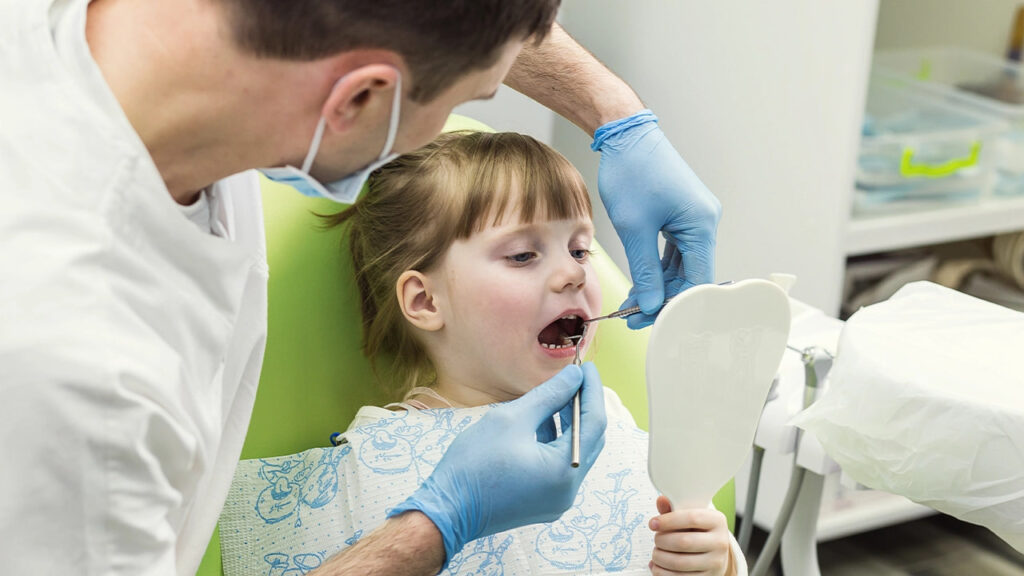
Parents want a dental team that can explain treatment clearly, keep children comfortable, and provide care suited to growing smiles.
Charm Dental Care supports families with preventive, restorative, and child-focused dental services at multiple locations across Texas.
- Comfortable dental visits: The team works to create a calm and welcoming experience for children who may feel nervous about treatment.
- Clear guidance for parents: Dentists explain the condition of the tooth, available treatment options, and what families can expect before and after the procedure.
- Care for developing teeth: Regular exams help monitor baby teeth, the eruption of permanent teeth, bite development, and early signs of decay or infection.
- Preventive and restorative services: Families can access routine checkups, professional cleanings, cavity treatment, and care for damaged or infected teeth.
- Convenient Texas locations: Charm Dental Care serves families in Spring, TX; Katy, TX; Richmond, TX; and Humble, TX.
- Flexible financial support: Accepted insurance plans, payment options, and membership plans can help families manage the cost of recommended dental care.
By combining clear communication with family-focused treatment, Charm Dental Care helps parents make informed decisions about a pediatric root canal, extraction, or other care their child may need.

You Might Also Like
- Can a Cavity Heal on Its Own?
- A Guide to Dental Sealants for Children
- Importance of Dental Care for Babies
Protecting Baby Teeth Supports a Healthier Adult Smile
Baby teeth may be temporary, but the role they play in a child’s comfort, development, and future oral health is important. When deep decay or infection reaches the pulp, a baby teeth root canal may help relieve pain, control infection, and preserve the tooth until it is ready to fall out naturally.
The right treatment depends on the condition of the tooth, how far the infection has spread, and the child’s stage of dental development. Early diagnosis often gives parents more treatment options and may prevent the need for an emergency extraction.
Parents concerned about tooth pain, swelling, discoloration, or difficulty chewing should not delay care. They can contact Charm Dental Care to discuss their child’s symptoms and take the next step toward protecting their growing smile.
FAQs (Frequently Asked Questions)
Q1.Are Baby Tooth Root Canals Painful?
The dentist uses local anesthesia to numb the tooth and surrounding area before treatment. Children may notice pressure or movement, but the goal is to keep them comfortable during the procedure. Mild soreness may occur after the numbness wears off.
Q2.Is A Pulpotomy The Same As A Root Canal?
Not exactly. A pulpotomy removes damaged pulp from the crown, or upper part, of the tooth while preserving healthy tissue in the roots. A pulpectomy removes pulp from both the crown and root canals. Both may be described as forms of pediatric root canal treatment.
Q3.How Long Does The Treatment Take?
The length of treatment depends on the tooth, the severity of infection, the procedure required, and whether a crown is placed during the same visit. Many cases can be completed in a single appointment, but the dentist will provide a more accurate timeframe after examining the tooth.
Q4.What Happens If An Infected Baby Tooth Is Ignored?
An untreated baby tooth infection can cause worsening pain, swelling, an abscess, difficulty chewing, sleep disruption, or spread into nearby tissues. Prompt care can help control the infection and protect the child’s overall oral health.
Q5.Will The Treated Tooth Fall Out Normally?
A successfully treated baby tooth may remain in place until it is naturally ready to fall out. The outcome depends on the condition of the tooth, the treatment performed, healing, and the development of the permanent tooth underneath.