If you’ve been thinking about straightening your teeth but you’re not sure, Invisalign is the only path; you’re in the right place. There are several Invisalign alternatives that can work just as well, depending on your timeline, bite needs, and how “hands-on” you want the process to be.
In Katy, the most common orthodontic choices usually fall into three buckets:
fast braces for quicker cosmetic alignment in select cases, clear aligner systems for low-visibility treatment, and traditional braces for stronger control in more complex movements. The goal isn’t to pick what’s trending, it’s to pick what fits your mouth and your lifestyle.
If you want a clear recommendation based on your teeth and bite, start with an evaluation at a Dentist in Katy, TX, so you can compare options side by side with realistic timelines and expectations.
Key Takeaways
- Invisalign isn’t the only option for straightening teeth; fast braces, clear aligners, and traditional braces are common alternatives.
- Fast braces can straighten front teeth faster in select cases, often within 3–12 months.
- Clear aligners like ClearCorrect offer a low-visibility option but require consistent daily wear.
- Traditional braces provide stronger control for complex tooth movement and bite correction.
- Orthodontic treatment in Katy typically costs between $3,000 and $7,500, depending on the treatment option and case complexity.
- The best treatment depends on your bite, lifestyle, treatment goals, and how consistently you can maintain care.
- A consultation helps compare timelines, comfort, and cost before choosing the right option.
Table of Contents
Fast Braces in Katy: Results in 3–12 Months for Select Cases

Fast braces are designed for patients who want noticeable alignment changes in a shorter window, often focusing on cosmetic straightening in the front teeth first.
For the right case, it can be an efficient option, especially if your main goal is improving smile appearance rather than correcting major bite problems.
What fast braces usually do best?
- Close small to moderate spacing.
- Improve mild crowding.
- Straighten visible front teeth for cosmetic goals.
What are fast braces not ideal for?
- Significant bite correction (overbite, underbite, crossbite).
- Severe rotations or complex tooth movements.
- Cases that need phased treatment with detailed bite changes.
Why the “3–12 month” range varies
- Number of teeth involved.
- Complexity of movement required.
- Whether bite adjustment is part of the plan.
- How well teeth respond biologically to movement.
If you’re considering fast braces and want a real timeline for your teeth (not a generic estimate), the quickest next step is to book a Dental Appointment and request an orthodontic evaluation in Katy.
ClearCorrect and Other Clear Aligners: A Low-Visibility Invisalign Alternative

Clear aligner treatment is popular because it’s low-visibility and fits easily into day-to-day life.
ClearCorrect is one of the well-known options in the aligner space, but the bigger point is this: results depend less on the brand name and more on the treatment plan, the tracking, and how consistently you wear your trays.
What clear aligners are best for?
- Mild to moderate crowding or spacing.
- Patients who want a discreet option.
- People who can wear aligners 20–22 hours/day.
What can slow down the alignment results?
- Inconsistent wear time.
- Complex rotations or major bite shifts.
- Needing multiple refinements to “fine-tune” the final result.
Why planning matters more than the label?
Aligners can be great, but they’re not “set and forget.” Attachment placement, monitoring progress, and deciding when refinements are needed all shape the outcome.
That’s why it helps to work with a team you trust. Meet Our Dentists to see who guides orthodontic treatment planning at Charm Dental Care.
Also Read– Five Tips for Clear Aligner Comfort

Traditional Braces Still Work for Complex Cases
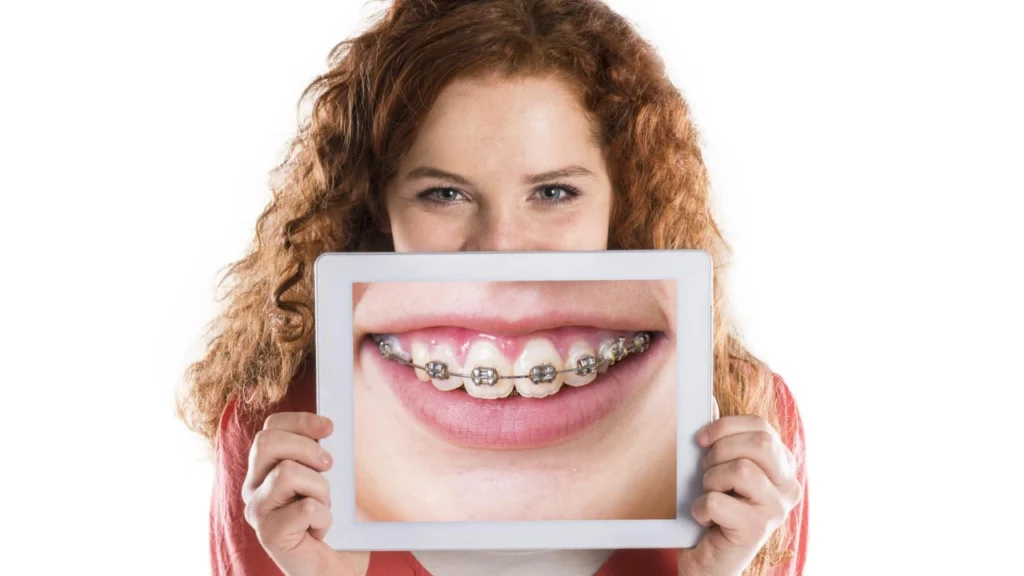
Traditional dental braces are still one of the most reliable choices when you need strong control over tooth movement and bite correction.
At Charm Dental Care, orthodontic planning is built around your bite’s long-term needs, not just quick cosmetic straightening, so the right option is chosen based on both stability and appearance.
If your teeth need significant rotation correction, if your bite needs to be changed, or if you want a fixed option that doesn’t rely on tray-wear discipline, traditional braces can be the most predictable route.
When are traditional braces the best fit?
- Complex crowding or major rotations.
- Bite correction needs (overbite, underbite, crossbite).
- Teeth that need precise movement in multiple directions.
- Patients who prefer a “fixed” system don’t remove.
What to expect with braces day-to-day?
- Some pressure after adjustments.
- Small cheek irritation early on (wax helps a lot).
- Regular visits for tightening and monitoring progress.
Also Read– Braces vs Invisalign- Which Is Better for Your Smile in 2025

Cost Comparison in Katy: Prices and What Affects Total Cost
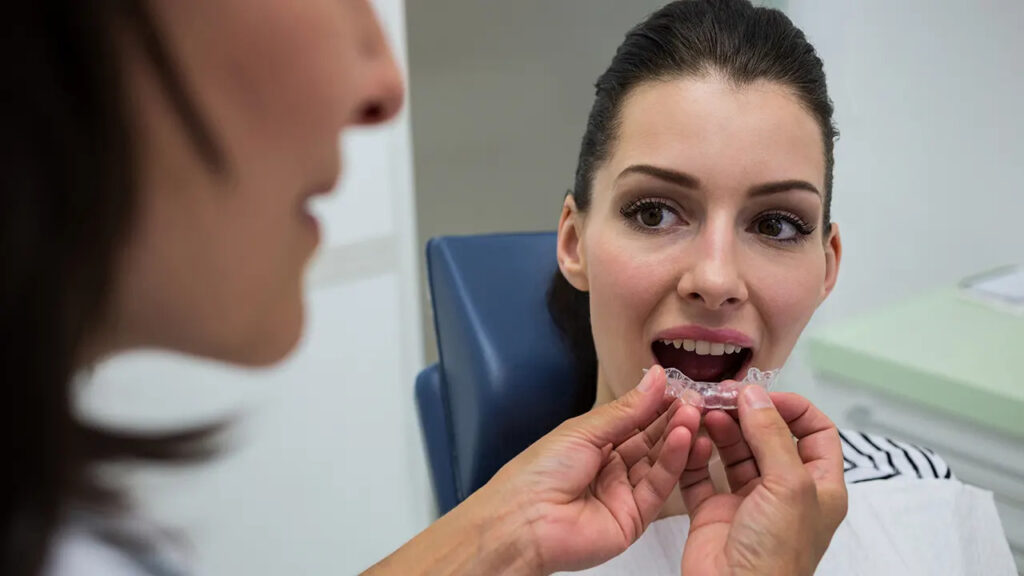
Orthodontic pricing can look confusing because two people can choose the same option and still pay different totals.
In Katy, the most accurate way to compare is to look at what’s included, how long treatment is expected to take, and whether retainers/refinements are part of the plan.
If you want to see how budgeting can work month-to-month, Flexible Dental Payment Options are often reviewed during the consult, so you know your choices before starting.
| Treatment Option | Typical Cost in Katy | Best For |
|---|---|---|
| Fast Braces | $3,000 – $6,500 | Cosmetic straightening and mild crowding |
| Clear Aligners (ClearCorrect & others) | $3,500 – $7,500 | Mild to moderate crowding with low visibility |
| Traditional Braces | $3,000 – $7,000 | Complex crowding, rotations, and bite correction |
Note: Costs vary depending on the number of teeth involved, treatment duration, refinements, and whether retainers or bite correction are included in the plan.
The most reliable number comes after an in-person orthodontic evaluation.
Read More –Does Dental Insurance Cover Braces?
Which Is Right for You: Choosing The Best Option Based On Your Teeth And Lifestyle
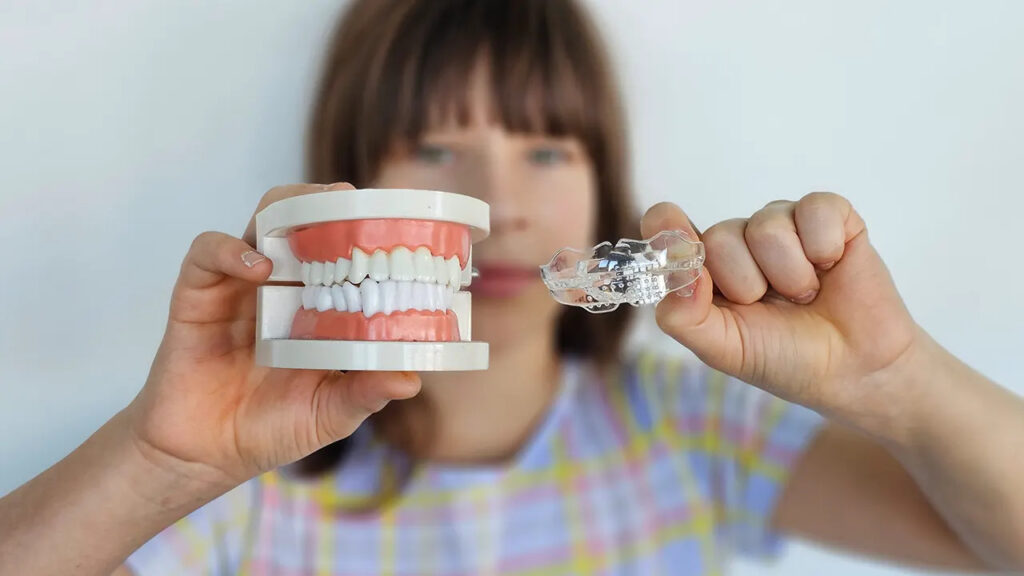
There isn’t one “winner” for everyone. The best option is the one that matches your bite needs, your timeline, and your level of consistency.
If you want to check what your plan may qualify for through benefits, Dental Insurance can be part of the conversation during your visit, so you’re not guessing while deciding.
| Treatment | Visibility | Typical Treatment Time |
|---|---|---|
| Fast Braces | Visible | 3–12 months in select cases |
| Clear Aligners | Very low visibility | 6–18 months |
| Traditional Braces | Visible | 12–24 months |
The table above gives a quick overview, but the best option still depends on your bite, treatment goals, and daily habits.
Quick decision guide
1. If you want low visibility
- Clear aligners are often the best fit if you can wear trays 20–22 hours/day.
2. If you want a fixed option and faster cosmetic straightening (select cases)
- Fast braces in Katy can be a strong choice when the goal is mainly front-tooth alignment.
3. If you need bite correction or complex movement control
- Traditional braces are often the most predictable option for rotations and bite changes.
Ask yourself these 4 questions
- Do I want something removable or fixed?
- Am I consistent enough for aligners every day?
- Is my goal cosmetic straightening or bite correction, too?
- Do I want the fastest visible improvement, or the most controlled long-term movement?
Free Ortho Consult in Katy
If you’re comparing braces options, the fastest way to choose with confidence is to consult with a dentist who checks your bite, crowding, and goals, then maps out realistic timelines and costs side by side.
Many patients start by reaching out through Contact Charm Dental Care to ask for a free orthodontic consult and confirm what’s included in the visit.
Once you’ve been evaluated, you’ll know whether fast braces, ClearCorrect/aligners, or traditional braces are the best fit for your smile and what the next steps look like.
Why Choose Charm Dental Care in Katy for Orthodontic Treatment?
Choosing between fast braces, aligners, and brackets is one part of the decision; the other part is choosing a clinic that plans for a stable bite and a result you can actually maintain.
1. Clear planning, not “one-size-fits-all.”
Charm Dental focuses on matching the treatment approach to your bite, crowding level, and goals, so you’re not pushed into a single system just because it’s popular.
2. Practical affordability support (without awkward pressure)
If you’re comparing prices, it helps to know what’s included, what can change the plan, and what options exist if you want to split payments.
Many patients also check Current Dental Offers when planning treatment, so the budget is clear up front.
3. A smoother patient experience from consult to retainers.
You get a straightforward path evaluation, plan, timeline, and what happens after treatment (retainers and follow-ups), so you’re not left guessing mid-way.
You Might Also Like
- Ceramic Braces vs Metal Braces
- Are Invisible Braces Right for You?
- Orthodontics: Knowing If You Need One and Why You Need Them

Conclusion
If you’re stuck on which path to take, start simple: what’s your goal (cosmetic straightening or bite correction), how fast you want visible changes, and how consistent you can realistically be day-to-day.
Clear aligners can be great for mild-to-moderate cases with strong wear-time discipline; fast braces may suit select cases where speed matters most; and traditional braces remain the most controlled option for complex movements.
If you’re still unsure which to choose, a consultation is the fastest way to compare timelines, comfort, and cost for your exact teeth. At Charm Dental Care, you can review your options side by side and leave with a clear plan that fits your smile and your schedule.
FAQs (Frequently Asked Questions)
Q1. What Are Invisalign Alternatives?
Common Invisalign alternatives include clear aligner systems (like ClearCorrect and similar brands), fast braces for select cosmetic cases, and traditional braces for stronger bite and rotation control.
Q2. How Long Does Each Option Take?
Treatment length depends on complexity. Fast braces may finish in months for select cases, clear aligners often take longer for moderate movement, and traditional braces are commonly used for longer, more complex corrections.
Q3. What Other Clear Aligners Are Available Besides Invisalign?
In addition to Invisalign, you may hear about ClearCorrect and other clear aligner options offered by dental practices. What matters most is the quality of the plan, monitoring, and your wear time, not just the brand name.
Q4. Which Invisalign Alternative Is Best For Me?
The best answer for me depends on three things: your bite, your lifestyle, and your timeline. If you want the clearest recommendation, the simplest next step is to book a Dental Appointment for an orthodontic consult in Katy:
Q5. Are Invisalign Alternatives Effective?
Yes, when properly planned and followed, they can be very effective. Traditional braces are often the most predictable for complex bite and rotation changes, while aligners can be highly effective for mild to moderate crowding or spacing when worn consistently.
Q6. What Is The Fastest Option For Straightening Teeth?
The fastest option depends on your case. Fast braces can be quicker for select front-tooth alignment goals, but if your bite needs correction, traditional braces or aligners may still be the right path, even if they take longer.
Q7. What Do Invisalign Alternatives Cost In Katy?
Costs vary based on treatment length, case complexity, and what’s included in your plan (retainers, refinements, imaging, and follow-up visits). If you’re planning your budget ahead of time, review our Dental Membership Plan to understand the included benefits and predictable pricing for ongoing care.