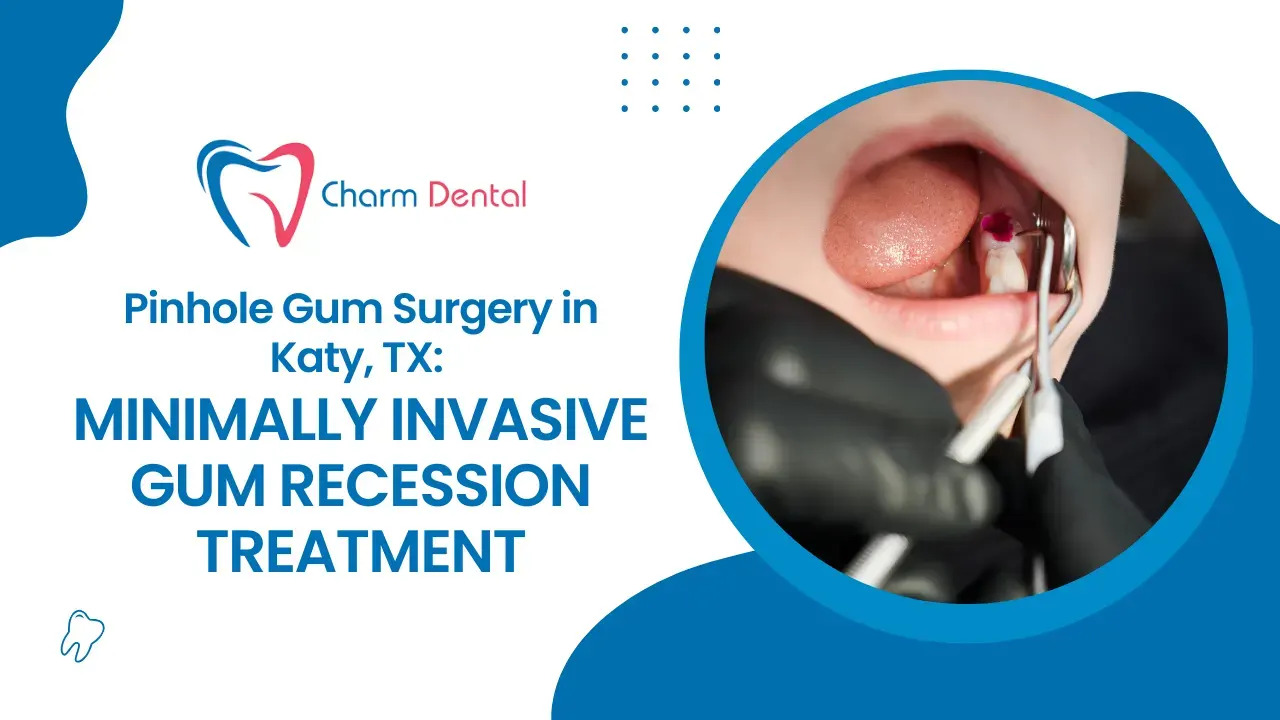
If your gums are pulling back and your teeth are starting to look “long,” you’re not alone. Gum recession is incredibly common, and it often sneaks up slowly. In fact, research reviews have found that the recession affects about 50% of adults aged 18–64, and this rate increases with age.
That’s why more patients are asking about the Pinhole Gum Surgical Recession Technique (PST), a modern, minimally invasive approach that repositions existing gum tissue without the traditional “cut-and-stitch” feel of older methods.
In this guide on pinhole surgery in Katy, TX, we’ll break down how PST works, how it compares to grafting, what recovery is like, and what you can expect from the results, so you can make a confident, informed decision with a local team.
Key Takeaways
- Gum recession is common and can make teeth look longer while causing sensitivity near the gumline.
- The Pinhole Surgical Technique (PST) is a minimally invasive procedure used to reposition existing gum tissue over exposed roots.
- PST usually involves a tiny access point instead of large incisions or stitches.
- Many patients prefer PST because it often means less discomfort and no donor tissue from the roof of the mouth.
- One of the primary symptoms driving patients to PST is root sensitivity and pain.
- Treatment cost typically depends on how many teeth are affected and the severity of the recession.
- Most people return to normal daily activities within 1–2 days after the procedure.
- An evaluation helps determine whether PST or traditional gum grafting is the best option for your gums.
Table of Contents
How PST Works?
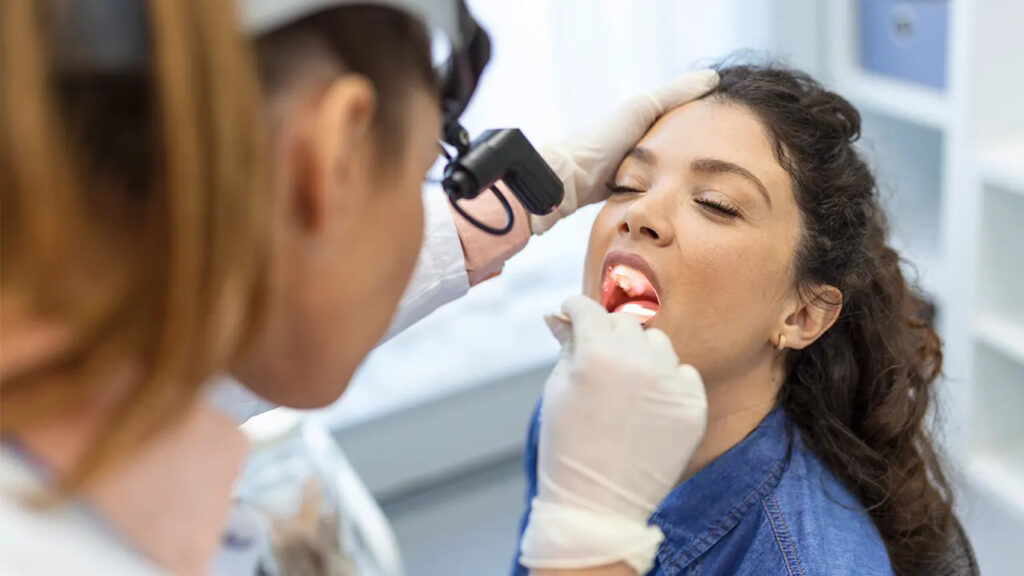
PST is designed to reposition your existing gum tissue with minimal cutting, so exposed roots can be covered more comfortably.
What happens during PST?
- A tiny pinhole opening is created in the gum tissue (no large incisions).
- Special instruments gently loosen the gum so it can move without tearing.
- The gumline is guided down to cover exposed roots and restore healthier coverage.
- Collagen strips may be placed to help stabilize the tissue while it settles.
How does a pinhole work in real life?
If you’re curious how pinhole works, it helps to picture the gum as being gently “released” and repositioned, not cut away and replaced.
Because the access point is small, many patients experience a smoother post-procedure feel with less disruption to surrounding tissue.
What is PST trying to achieve?
- Cover exposed roots to reduce sensitivity
- Improve gum symmetry for a more natural look.
- Help protect vulnerable areas from the worsening recession.
Read More– Everything You Need to Know About Gum Disease Treatment

PST vs Traditional Graft
This section helps you compare PST with gum grafting so you can understand what feels different, and why.
| Factor | PST (Pinhole) | Traditional Gum Graft |
| How it’s done | Gum is loosened and repositioned through a tiny pinhole | Can be higher due to the donor site |
| Incisions & stitches | Usually minimal | Often required |
| Donor site (roof of mouth) | Typically not needed | Commonly needed (depends on graft type) |
| Treating multiple teeth | Often possible in one visit | May be treated in smaller areas |
| Post-procedure soreness | Often less (varies by case) | Can be higher due to donor site |
What does “vs graft” mean for your experience?
- PST focuses on repositioning the gum you already have, usually through a tiny access point.
- Bone Grafting adds tissue to build coverage and often improves thickness in weaker areas.
- The right option depends on the severity of the recession, gum thickness, and what your bite is doing in the long term.
At Charm Dental Care, you can see the practice philosophy and patient-first approach that guides whether PST, grafting, or another option makes the most sense for your case:
When may grafting be recommended instead?
- Very thin gum tissue that needs added thickness.
- Advanced recession with loss of supporting bone.
- Areas where tissue needs reinforcement for long-term stability.
What are the Benefits of PST?
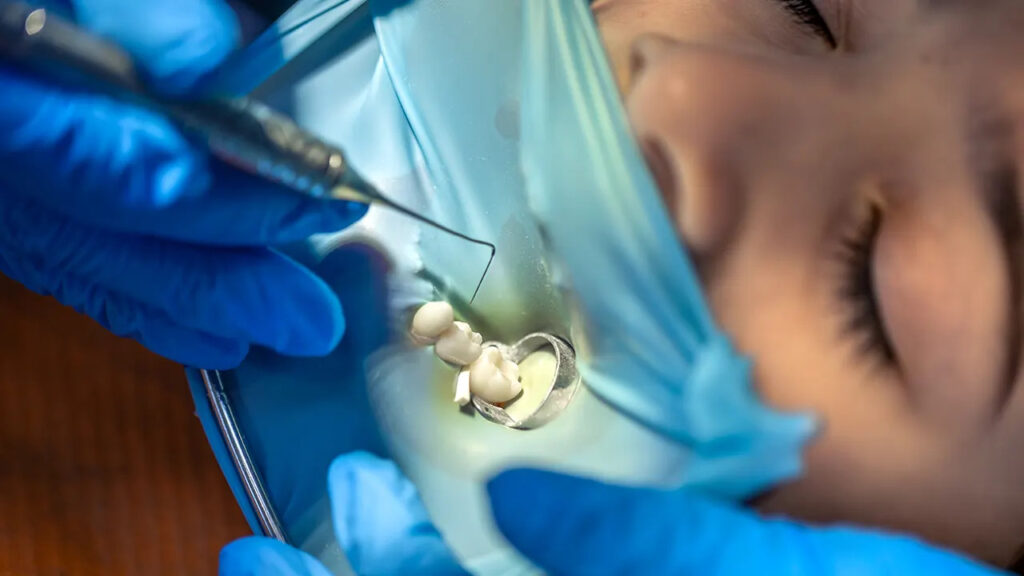
One of the biggest reasons patients consider PST is the smaller entry point and reduced surgical disruption.
Key Benefits Patients Notice
- Less post-procedure discomfort:
Many cases involve minimal cutting, which often means fewer stitches and less soreness. - No second surgical site:
PST frequently avoids taking tissue from the roof of the mouth, which is a common reason grafting feels more tender. - Natural-looking gumline:
Gum aesthetics are as much a cosmetic concern as a health concern. Because your existing gum is repositioned, the healed result can look more seamless around the tooth. - Multiple teeth in one visit:
Depending on your recession pattern, several areas may be treated in the same day teeth appointment. - Faster “back to normal” feel:
Many patients return to routine activities quickly with the right aftercare.
A quick visual idea (what patients usually want)
If you want to see the kind of gumline changes patients aim for, visit our Dental Clinic Gallery and look for natural, balanced gumline outcomes across different smiles:
What does “less pain” usually mean (realistic expectations)?
- Mild tenderness is common for the first 24–48 hours.
- Softer foods reduce irritation while the tissue settles.
- Following brushing instructions is key to keeping healing comfortable and predictable.
Candidacy Requirements for the Pinhole Surgical Technique (PST)
Not everyone with recession is an ideal fit, so candidacy is based on your gum health, recession pattern, and long-term risk factors.
Who Qualifies?
- Recession is mild to moderate on one or more teeth.
- Gum tissue is healthy enough to be repositioned and stabilized.
- No uncontrolled gum infection or active periodontal inflammation. If you’re unsure whether early gum disease is contributing to recession, understanding gum disease symptoms, prevention, and treatment can help clarify what needs to be addressed first.
- You can follow post-care instructions (soft foods, gentle hygiene, follow-ups).
- You want a minimally invasive approach and may prefer avoiding a donor site.
Who may need other options instead?
- Severe recession with significant bone loss.
- Very thin tissue that needs added thickness for stability.
- Recession caused by bite forces (grinding/clenching) without management.
- Areas where grafting may provide stronger reinforcement.
- Gum recession surgery, even minimally invasive, can feel intimidating. Many patients who research PST also check whether sedation dentistry is available.
If you’re not sure who qualifies, the best next step is a quick evaluation of gum recession.
You can contact Charm Dental Care to ask about PST screening and which options best fit your specific case.
What is the Cost of PST in Katy, TX?
Charm Dental Care Katy
PST pricing isn’t usually a flat fee because a recession can affect one tooth or several, and the plan depends on how many areas need coverage and how complex the tissue repositioning is.
In the U.S., pinhole treatment is commonly priced per tooth or per quadrant, so you’ll usually see the estimate presented in one of these two ways.
Typical cost ranges
| Pricing style | Typical range | What it usually means? |
| Per tooth. | $1,000–$3,000 per tooth. | Common when recession is limited to a smaller number of teeth. |
| Per quadrant. | About $2,500 per quadrant. | Common when multiple teeth in one section of the mouth need coverage. |
What makes the total go up or down?
| Cost factor | Why does it change price? |
| Number of teeth treated | More sites usually mean more chair time and precision work. |
| Severity of recession | A deeper recession can require more careful repositioning and stabilization. |
| Tissue thickness and quality | Thin tissue can be more technique-sensitive and may need added support. |
| What’s included | Some quotes include consult, materials, and post-op visits; others itemize them. |
Note– Cost may vary, and the numbers above are estimates, not a guaranteed quote. Your exact total depends on your recession pattern and treatment plan.
If you want to plan monthly payments before moving ahead, our Flexible Dental Payment plan can be reviewed during your consult, so you know what’s available upfront.
PST Recovery Timeline: What to Expect in the First 1–2 Days?
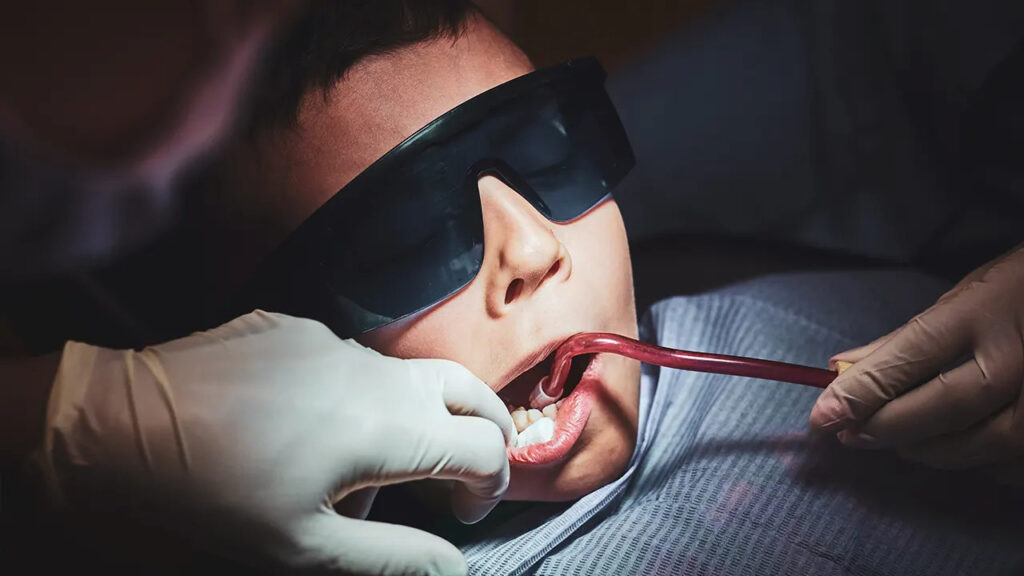
Most patients feel comfortable returning to normal routines quickly, even though the gum tissue continues strengthening in the background.
Recovery timeline
| Time | What you may notice | What to do |
| First 24 hours | Mild tenderness, tight feeling, slight swelling. | Soft foods, avoid pulling lips/cheeks, follow rinse instructions. |
| Day 2 | Many feel “back to normal” for work and daily tasks. | Keep chewing gently, brush carefully around the treated area. |
| Days 3–7 | Gumline starts stabilizing in its new position. | Stick to the home-care plan, avoid hard/crunchy foods. |
| Weeks after | Tissue continues to mature and settle. | Attend follow-ups and keep brushing technique gentle. |
Healing tips that protect results
- Choose soft foods and chew away from treated areas early on.
- Avoid aggressive brushing near the gumline until your dentist clears you to do so.
- Don’t smoke during early healing if you want the best tissue response.
- Keep follow-up visits even if you feel fine to confirm healing.
Patients recovering from any gum procedure may encounter unexpected complications. Providing a visible path to emergency care is both reassuring and an SEO-positive signal for local intent queries.
For patients without insurance, a Dental Membership Plan can be a practical way to budget follow-ups and preventive care while your gumline stabilizes.
PST Success Rate and Results
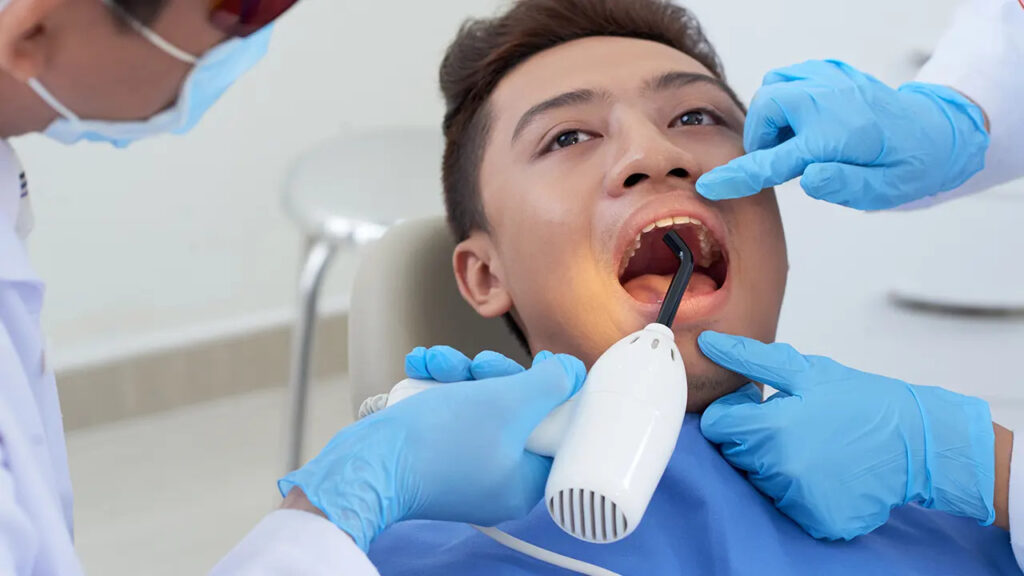
PST results can look impressive, but the “success rate” depends on the type of recession, tissue quality, and post-treatment home care.

What studies report?
| Evidence type | What was reported | Follow-up |
| Case series (18 recession sites). | 96.7% overall root coverage with minimal complications. | 6 months. |
| Reports citing the original Chao study. | 88.4% mean root coverage, and around 87% at 6 months in another report. | 6 months. |
| Long-term retrospective case series (preprint). | Mean defect coverage 94.0% originally and 86.6% on longer follow-up. | Longer-term follow-up. |
What do “results” usually mean for patients?
- Less sensitivity because exposed roots get covered.
- A smoother gumline that looks more even when you smile.
- Easier brushing around the gumline once tenderness settles.
What impacts long-term success?
- Brushing technique (gentle, not scrubbing at the gumline).
- Controlling inflammation (bleeding gums can undo stability).
- Teeth-grinding /clenching management if it’s contributing to recession.
- Follow-ups to confirm the tissue is holding where it was placed.
If you like seeing real clinic updates and patient education posts, you can also use Social Media while you’re deciding on your next step.
Overall Gum Health Evaluation
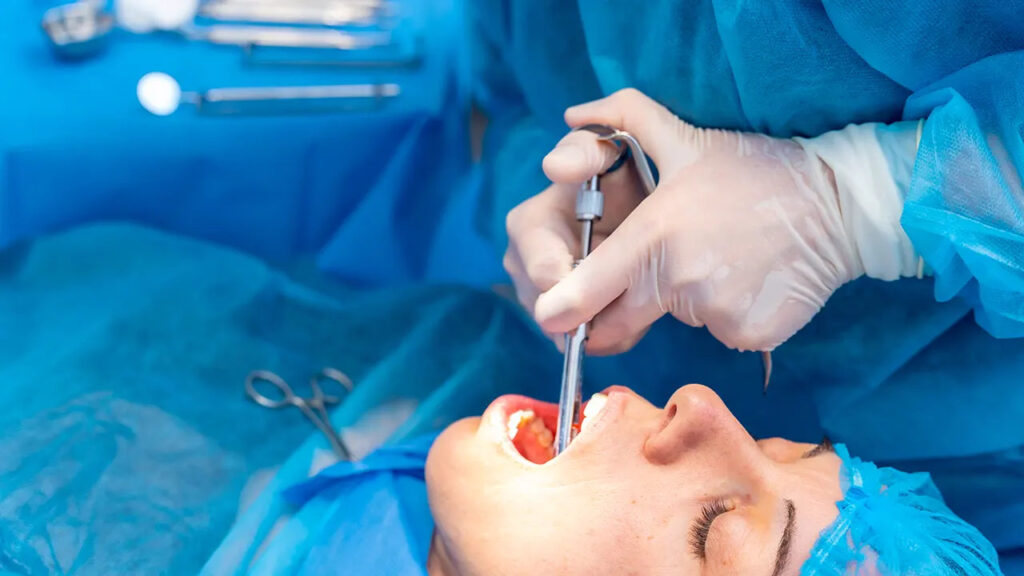
If your gums are receding, the sooner you check it, the easier it is to stop it from progressing and protect the roots.
Quick signs it’s time to get checked
- Teeth look longer than before.
- Sensitivity near the gumline (especially with cold).
- Notching near the roots or “wear” at the gumline.
- Gumline looks uneven, or you see more root on one side.
What you’ll get from an evaluation
- A clear diagnosis of what’s causing the recession.
- A treatment plan (PST vs graft vs other options) based on your gum thickness and recession type.
- A cost estimate and timeline tailored to Katy, TX.
Ready to take the next step for gum recession treatment. You can book a Dental Appointment.
Why Choose Charm Dental Care in Katy, TX?
When you’re dealing with gum recession, you want a clinic that’s clear, responsive, and equipped to address both comfort and long-term gum health.
1. Patient-first care that feels calm (not rushed)
Charm Dental Care emphasizes a welcoming environment and comfort-focused care across its Texas locations.
2. Same-day help when you need it?
Katy highlights same-day emergency dental appointments and walk-ins during regular hours, which matters if a recession comes with sudden sensitivity or pain.
3. Gum-health focused treatment options
Charm Dental lists periodontal care, such as scaling and root planing, and laser therapy as part of its gum-disease treatment approach helpful if recession is tied to inflammation that needs control first.
4. Transparent ways to make treatment affordable
If cost is a concern, Charm Dental Care offers deals on the website, so patients can plan treatment without guessing.
You Might Also Like
- Dental Sealants for Adults in Katy, TX – Are They Worth It?
- Why Dental X-Rays Reveal Problems Long Before You Feel Pain
- How Long Can Dental Problems Stay Silent Before Getting Expensive?

Conclusion
Gum recession can start quietly, but it rarely stays small. If you’re noticing sensitivity, exposed roots, or a higher gumline, the Pinhole Surgical Technique may offer a minimally invasive path to coverage without the downtime many people expect.
The right plan depends on your recession pattern, tissue thickness, and daily habits like brushing pressure or grinding. With a proper evaluation in Charm Dental Care Katy, you can understand whether PST or a graft is the better fit, what healing looks like, and how predictable your results can be. Protect your smile.
FAQs ( Frequently Asked Questions)
Q1. What Is PST?
PST stands for the Pinhole Surgical Technique, a minimally invasive method used to reposition existing gum tissue over exposed roots caused by gum recession. Instead of placing a traditional graft with larger incisions, PST uses a tiny access point to gently loosen and move the gumline into a healthier position.
Q2. How Is PST Done?
A small pinhole opening is made in the gum tissue. Through this access point, special instruments gently release the gum so it can be repositioned to cover exposed root surfaces. In some cases, collagen strips are placed to help stabilize the tissue while it settles.
Q3. PST Vs Graft. What Is The Difference?
PST typically repositions your existing gum tissue, often with minimal incisions and fewer stitches. A traditional gum graft usually involves adding tissue (from the roof of your mouth or another source) and securing it with sutures. The best option depends on the severity of the recession, gum thickness, and long-term stability needs.
Q4. Is PST Painful?
Most patients describe PST as more comfortable than traditional grafting, mainly because there is often no donor-site soreness and less cutting is required. You can still expect mild tenderness for a day or two, and your dentist will provide aftercare instructions to help the healing go smoothly.
Q5. Who Qualifies For PST?
You may qualify if your recession is mild to moderate, your gums are healthy enough to reposition, and there’s no active infection that needs treatment first. If recession is severe, tissue is extremely thin, or bone support is reduced, a graft or another approach may be recommended instead.
Q6. How Much Does PST Cost In Katy, TX?
Cost varies based on how many teeth are treated and how complex the recession is. Many U.S. practices price PST per tooth or per quadrant, so your total depends on your evaluation findings, what’s included (exam, imaging, follow-ups), and whether insurance contributes.
Q7. What Is The Recovery Time For PST?
Many patients return to normal daily routines within 1–2 days, but the gum tissue continues to mature for weeks. You’ll typically be advised to eat softer foods early on, avoid aggressive brushing near the treated area, and follow post-care instructions closely to protect the new gum position.
Q8. What Is The Success Rate Of PST?
Success depends on the type of recession, tissue quality, and aftercare. Studies and clinical reports often show strong short-term root coverage outcomes, but long-term stability relies heavily on gentle brushing habits, controlling inflammation, and addressing clenching/grinding if present. If you want to confirm your expected outcome, book a Dental Appointment for a gum health evaluation.