Many people wonder, “Can a cavity heal on its own?” especially if there’s no pain or visible damage. It’s a fair question and one we often hear at Charm Dental Care. The truth is that in the very early stages of tooth decay, it may be possible to stop or reverse the damage with proper oral care.
However, once a cavity breaks through the enamel, it will not heal without treatment. Understanding the difference between reversible and irreversible decay is key to protecting your teeth and avoiding more serious dental procedures.
In this blog, we’ll explore how cavities form, when they can heal naturally, and when it’s time to schedule a visit to Charm Dental Care.
Key Takeaways
- Very early-stage cavities (enamel demineralization) may be reversed with fluoride, good oral hygiene, and a healthy diet.
- Once a cavity breaks through enamel, it won’t heal on its own and needs a dental filling or treatment.
- Signs of healing include reduced sensitivity and no worsening discoloration.
- Use fluoride toothpaste, reduce sugar, brush/floss daily, and avoid acidic snacks to support remineralization.
- Regular dental checkups at Charm Dental Care help catch decay early and prevent deeper damage.
- Locations in Spring, Katy, Richmond, and Humble, TX offer preventive care, fillings, and same-day appointments.
Table of Contents
What Is a Cavity and How Does It Start?

A cavity is a small hole in the tooth caused by tooth decay. It begins when harmful bacteria in your mouth feed on sugars and produce acids. These acids slowly break down the enamel, the hard, protective outer layer of your teeth. Without proper care, this process continues until a cavity forms.
What Causes a Cavity?
- Poor brushing and flossing habits
- High sugar or acidic diet
- Dry mouth or low saliva production
- Infrequent dental checkups
Early Signs of Tooth Decay
- White or brown spots on the teeth
- Sensitivity to cold, sweet, or acidic foods
- Rough or chalky enamel surface
Enamel Erosion vs. Deep Cavities
Enamel erosion can sometimes be reversed with fluoride and better oral hygiene. However, once the cavity progresses into the dentin or deeper, it becomes permanent and requires treatment.
So, do cavities go away on their own? Only in the earliest stages before they become actual holes. Once decay sets in, it won’t disappear without treatment.
If you’re experiencing tooth sensitivity or suspect you may have a cavity, don’t wait; book an appointment today to have it checked.
Also Read– Cavities: Causes, Symptoms & Effective Treatment
Can Cavities Heal Without Treatment?
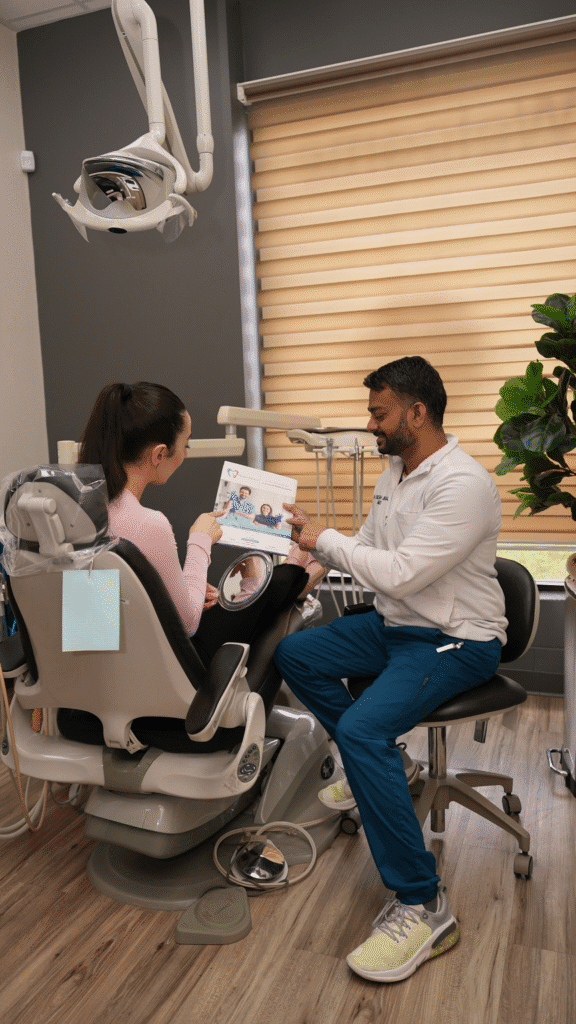
One of the most common myths about dental health is that a cavity can disappear over time. So, can a cavity go away on its own? The answer depends on how early the decay is caught.
Understanding Remineralization
Remineralization is the natural process in which minerals, such as fluoride, calcium, and phosphate, help rebuild and strengthen weakened enamel. This process can halt early decay before a cavity fully forms.
Reversible vs. Irreversible Stages of Decay
- Reversible: Early enamel demineralization (no hole yet).
- Irreversible: Once a cavity forms and enamel is broken, the damage is permanent and needs a filling or other treatment.
Clinical vs. Home-Based Prevention
Professional fluoride treatments, dental sealants, and regular cleanings at Charm Dental Care can strengthen teeth. At home, using fluoride toothpaste, maintaining a healthy diet, and practicing consistent oral hygiene can help reverse tooth decay in its earliest stages.
But remember, once a true cavity develops, it won’t heal on its own; you’ll need dental care.
Read More– Top 7 Signs You Need a Dental Emergency

Signs a Cavity Might Be Healing Naturally

In its earliest stages, tooth decay can be stopped or slowed with proper care. If you’re taking steps to strengthen your enamel, you might start to notice a few positive changes. So, what are the signs a cavity is healing naturally?
Sensitivity Reducing
A common early symptom of decay is sensitivity to cold, sweet, or acidic foods. If this sensitivity begins to lessen over time, it could be a sign that remineralization is helping restore your enamel.
No Further Discoloration
Early cavities often show up as white or brown spots. If the color remains stable or lightens slightly, it suggests the decay has not progressed.
Stronger Enamel with Fluoride Use
Using fluoride toothpaste or receiving fluoride from your dentist can help rebuild enamel strength. These are standard components of routine general dentistry, particularly during regular checkups, which are designed to detect early signs of tooth decay.
When these efforts are consistent, it may be possible to stop the progression of an early cavity and avoid more invasive treatment.
How to Help a Cavity Heal in Early Stages?
If a cavity is caught early before it breaks through the enamel, there’s a chance it can be stopped or even reversed with proper care. Simple daily habits and a few key changes can make a big difference when it comes to natural remedies for cavities.
Fluoride Toothpaste & Mouthwash
Daily use of fluoride toothpaste and mouthwash helps protect and rebuild weakened enamel. Your dentist may also recommend remineralizing toothpaste for cavities to support enamel repair in its early stage.
Reduce Sugar; Eat Calcium-Rich Foods
Limiting sugary snacks and sodas helps reduce the growth of acid-producing bacteria. Instead, focus on calcium-rich foods, such as dairy products, leafy greens, and almonds, to promote remineralization. This is especially important for children, which is why our pediatric dentistry team focuses heavily on diet-based cavity prevention.
Brush and Floss Consistently
Brushing twice a day and flossing daily helps remove plaque buildup and prevent early decay from progressing. If you’re unsure about your technique, our team at the Katy location can guide you during a checkup.
Use Remineralizing Products if Advised
In some cases, your dentist may recommend at-home fluoride treatments or gels to encourage enamel repair. These are often included in preventive payment plans during routine visits.
Avoid Acidic, Sticky, or Frequent Snacks
Read Also– Dental Sealants for Kids: Are They Worth It?
When a Cavity Can’t Heal on Its Own?
While early enamel damage may be reversible, not all cavities can be stopped without treatment. So, if you’re wondering, can a cavity fix itself?—The answer is no, once decay progresses beyond the surface.
Symptoms Indicating the Cavity Is Past Reversal
If the decay has created a visible hole, reached the dentin layer, or started affecting the tooth’s nerve, it’s no longer in a stage that can heal naturally. At this point, a professional dental procedure is the only way to restore the tooth.
Pain or Sensitivity
Persistent discomfort when eating hot, cold, or sweet foods is often a sign the decay has advanced. This kind of sensitivity suggests that the enamel and underlying layers have been compromised.
Visible Pits, Black Spots, or Structural Damage
Dark discoloration, noticeable holes, or tooth chipping are clear signs that decay is progressing. These are symptoms that the tooth structure has already been weakened beyond natural repair.
Deep Infection Needing Fillings or Root Canal
When decay reaches the pulp of the tooth, it may lead to infection or abscess. In such cases, a filling, crown, or even a root canal may be needed to save the tooth.
If you notice any of these warning signs, it’s important to know how to stop a cavity from getting worse, and the first step is seeing your dentist for treatment. Acting early can prevent pain, infection, and more invasive procedures later on.

Can Small Cavities Go Away Without a Filling?

In some cases, yes, small cavities that have not yet penetrated the enamel surface may be stopped or even reversed. However, whether a small cavity can heal itself depends on its depth, location, and the speed at which it’s addressed.
What Research and Clinical Studies Show
Studies show that the earliest stage of tooth decay, called enamel demineralization, can be reversed with proper care. Remineralizing agents, such as fluoride, calcium, and phosphate, can strengthen weakened enamel before a cavity forms. However, once the enamel surface is broken, the cavity becomes permanent and requires a filling.
Monitoring Early Enamel Lesions
If your dentist finds a small lesion during an examination, they may recommend monitoring it rather than filling it immediately. In such cases, they’ll provide strategies on how to reverse a cavity without filling, including improved oral hygiene, fluoride application, and dietary adjustments.
Importance of Regular Exams and Cleanings
Routine checkups and cleanings enable your dentist to detect early decay, administer professional fluoride treatments, and prevent cavities before they become irreversible. If you’re asking how long it takes to reverse a cavity, the answer varies, anywhere from a few weeks to several months, depending on your oral care and diet.
Early action, regular visits, and guidance from your dentist are key to preserving your enamel and avoiding future fillings.
How Charm Dental Can Help You Prevent and Treat Cavities
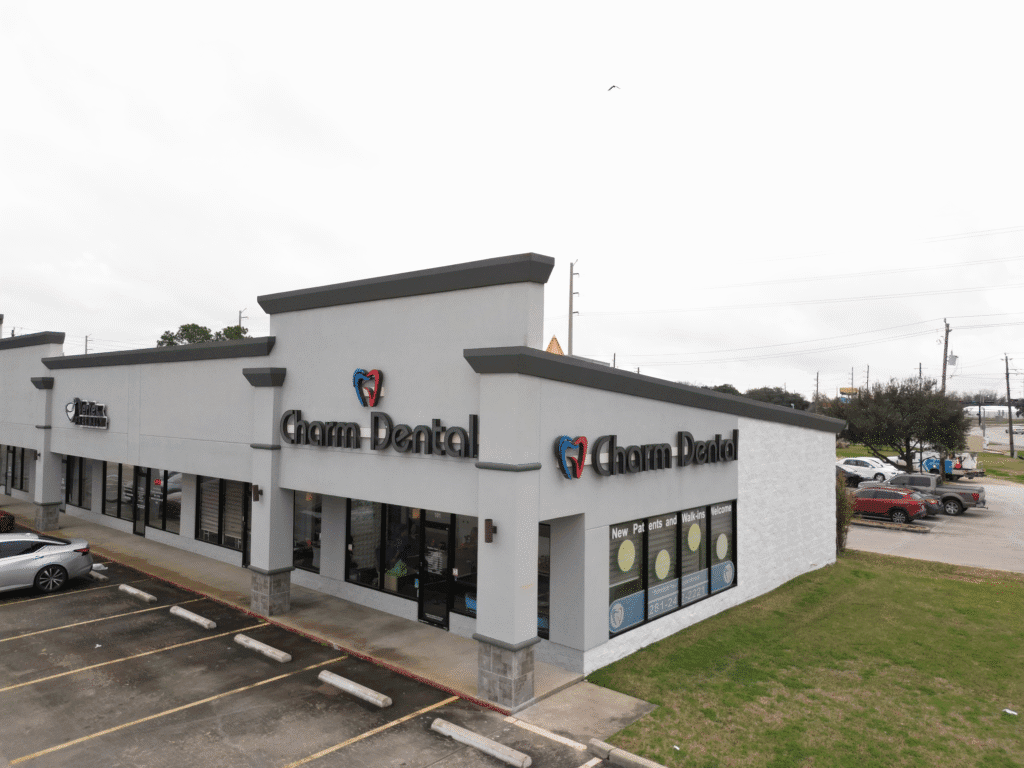
At Charm Dental Care, we believe the best treatment for cavities is prevention but when they do happen, early care makes all the difference. Whether you’re seeking regular checkups or urgent dental care, our team is here to support you every step of the way.
Preventive Care Options at Charm Dental
We offer fluoride treatments, dental implants, thorough cleanings, and routine exams to help stop cavities before they start. Our team focuses on educating patients of all ages on the key elements of prevention, including brushing, flossing, and diet.
Pediatric and General Dentistry
From first visits to lifelong care, our providers deliver compassionate, expert treatment for both kids and adults. If you’re searching for a pediatric dentist in Spring TX for cavities, our experienced team is ready to help protect your child’s smile.
Same-Day Appointments Available
We understand that dental pain or decay doesn’t wait. That’s why we offer flexible scheduling and same-day appointments to provide fast, effective relief whether you need a quick exam or a full tooth cavity treatment in Richmond, TX.
Care Available in Spring, Katy, Richmond & Humble
No matter where you are, there’s a location near you:
- Are you looking for a dentist in Katy for cavities? We’ve got you covered.
- Need a cavity-filling dentist in Humble, TX? Our team is ready to help.
- Facing sudden pain? Our providers offer emergency dental care for tooth decay in Houston and surrounding areas.
At Charm Dental Care, your oral health is our top priority from prevention to advanced treatment, for every smile in the family.
Cavity Prevention Tips from Our Dentists
Preventing cavities is easier and more affordable than treating them later. At Charm Dental Care, our team focuses on proactive care to help patients of all ages maintain strong, healthy smiles.
Here are some key tips from our dentists to help you maintain a cavity-free smile.
Dental Sealants for Kids and Teens
Sealants are a quick, painless way to protect the deep grooves of molars from food and bacteria buildup. They’re especially effective for children and teens who may have trouble reaching those areas while brushing.
Bi-Annual Professional Cleanings
Routine cleanings every six months help remove plaque and tartar that daily brushing can’t reach. These visits also give your dentist the opportunity to check for early signs of decay and provide personalized guidance on how to remineralize your teeth at home.
Custom Oral Care Plans for Long-Term Protection
Every smile is different. That’s why we build care plans around your unique needs including brushing habits, fluoride exposure, diet, and medical history. If you’re wondering what helps a cavity go away, it starts with consistency: brushing with fluoride, reducing sugar intake, and following your dentist’s advice.
Preventing decay doesn’t have to be complicated. With the proper habits and regular dental support, your teeth can stay strong for years to come.

You Might Also Like
- Tooth Abscess: Signs, Causes & Treatment Options
- A Guide to Dental Sealants for Children
- 7 Daily Habits That Can Improve Your Oral Health
Conclusion
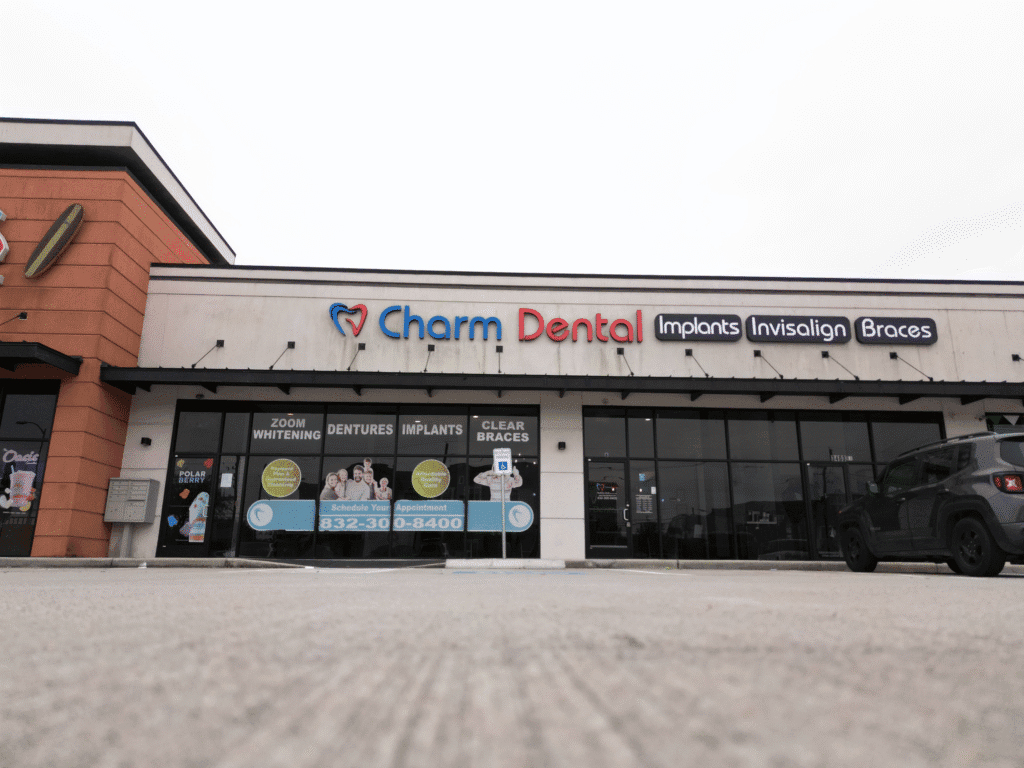
While it’s tempting to wait and see if a small cavity improves, ignoring early decay can lead to bigger dental problems. So, can early cavities be reversed? In many cases yes, especially with good oral care and regular monitoring. But timing is key. Left untreated, small lesions can turn into larger cavities that require fillings or even root canals.
The best-case outcome is stopping decay early with simple care. The worst-case? Pain, infection, or permanent damage. At Charm Dental Care, we focus on prevention first. Schedule your dental checkup today and let our caring team help you protect your smile.
FAQs (Frequently Asked Questions)
1. Can A Cavity Heal Naturally Without A Filling?
Yes, small cavities limited to the enamel layer can sometimes heal naturally with proper oral hygiene, fluoride use, and a low-sugar diet. This process is called remineralization. However, once decay reaches the dentin (the layer beneath enamel), it will not heal on its own and will need a filling. Not sure what stage your cavity is in? Contact Charm Dental Care to schedule a gentle evaluation.
2. What Helps A Cavity Go Away?
Using fluoride toothpaste, remineralizing mouthwash, cutting back on sugar, and maintaining consistent brushing and flossing can help reverse early decay. These efforts support enamel repair before a cavity forms. But once the enamel is breached, a dental filling becomes necessary. For early treatment options, book a visit with Charm Dental Care we’ll help protect your smile before the cavity worsens.
3. How Long Does It Take To Reverse A Cavity?
With good dental hygiene, fluoride exposure, and a healthy diet, early enamel lesions may remineralize within 3 to 6 months. Results vary depending on the severity of the decay and your daily habits. Regular dental checkups are key to monitoring progress. Charm Dental Care offers preventive care plans to help you stay on track ask us how to get started.
4. Is It Safe to Wait and Watch a Small Cavity?
Only if a dentist recommends it. Very early cavities might be monitored with routine X-rays and exams, but waiting too long can allow decay to progress silently. Once the enamel is broken, it’s no longer reversible. If you’re unsure whether your cavity needs treatment now or later, schedule a visit with Charm Dental Care for an expert opinion.
5.Can Children’s Cavities Heal On Their Own?
In some cases, early enamel lesions in children may improve with fluoride treatments and improved brushing habits. However, kids’ teeth tend to decay faster than adult teeth, and small cavities can turn into big problems quickly.
6. Can a Cavity Go Away with Fluoride Toothpaste?
Fluoride toothpaste can help remineralize weakened enamel in the early stages of decay. It strengthens teeth and prevents cavities from forming. However, once a cavity breaks through the enamel, brushing alone won’t fix it. You’ll need professional treatment to restore the tooth.
7. Can A Cavity Heal Without A Dentist?
While early enamel erosion can sometimes improve with good home habits, it’s essential to note that only a dentist can accurately diagnose whether a cavity is reversible. Relying solely on at-home care can be a risky approach. To avoid long-term damage, schedule a preventive checkup at Charm Dental Care.
8. How Do You Know If A Cavity Is Getting Better?
If sensitivity decreases, discoloration stops spreading, and the tooth feels smoother or firmer with fluoride use, the cavity may be stabilizing. However, without professional monitoring, it’s hard to know for sure.
9. Can You Reverse A Cavity At Home?
Yes, but only very early-stage decay can be reversed at home with fluoride, a sugar-free diet, and improved brushing. If you’re trying to reverse a cavity yourself, it’s still best to work with your dentist.
10. How Long Does It Take For A Cavity To Go Away Naturally?
Early enamel damage may improve in a few weeks to several months, depending on your oral hygiene, diet, and fluoride exposure. However, cavities don’t “go away” completely without intervention once they’ve passed a particular stage. The best way to determine this is by consulting a professional at Charm Dental Care.
11. Is It Possible To Avoid Filling A Cavity?
Yes—if the cavity is caught very early, you may avoid a filling by strengthening the enamel through fluoride and lifestyle changes. However, waiting too long can render that option unavailable. Book a checkup at Charm Dental Care to explore whether your cavity still qualifies for non-invasive treatment.
12. What Stage Of Cavity Is Reversible?
Only the initial stage called demineralization is reversible. This occurs when the enamel softens but hasn’t been fully breached. Once decay reaches the dentin or pulp, it becomes irreversible and requires a dental procedure.
13. Can A Cavity Disappear With Good Oral Hygiene?
Good oral hygiene can halt and potentially reverse very early decay, especially when combined with fluoride. However, visible cavities or those causing symptoms won’t disappear on their own.