Many parents want to know if fluoride is safe for young children. For years the American Dental Association suggested fluoride use strictly for toddlers age two and up. However, in 2014 the recommendation changed, stating that parents may use just a smidgeon of fluoride toothpaste once teeth begin to erupt.
Why the sudden change after decades of enforcing such a well-established safety standard? How will this shift in policy affect your toddler? Is fluoride bad for kids under 2, or not?
Key Takeaways
- Fluoride helps strengthen tooth enamel and reduces the risk of cavities, even in very young children.
- Guidelines now allow a tiny smear of fluoride toothpaste as soon as the first tooth appears, instead of waiting until age two.
- Too much swallowed fluoride over time can cause fluorosis or contribute to other health concerns, so dose and supervision are important.
- Parents should consider all fluoride sources (tap water, toothpaste, treatments) before deciding how much to use for their child.
- Regular checkups with a pediatric dentist help balance cavity prevention with safety and determine whether fluoride toothpaste is appropriate for your toddler.
Table of Contents
A Little Background on Fluoride
Fluoride treatment is a tried-and-true method for preventing cavities and reversing early signs of decay. The natural compound strengthens the tooth structure, making it more resistant to harmful mouth acid.
Most of us have access to fluoridated drinking water, but it is not available in all parts of the country. In addition, many families today purchase bottled water, which is usually not fluoridated.

New Research on Fluoride
The 2014 ADA change aligned with what the American Academy of Pediatric Dentistry had long been advocating, fluoride use once teeth are visible. Research at the time showed an increase in cavities among toddlers, noted by the CDC. Some preschoolers had to go under general anesthesia to have half or more of their primary teeth filled.
By introducing fluoride toothpaste earlier, the hope is to reduce the number of cavities in preschoolers. Young children are encouraged to spit out toothpaste after the application to avoid fluorosis. This is a damaging condition that alters the color of tooth enamel.
Fluoride exposure at an early age has been linked to neurological conditions like ADHD when excessive amounts are ingested. There is no harm in swallowing fluoridated toothpaste now and then, but a repeated habit can lead to serious problems.

What’s Best for Your Child?
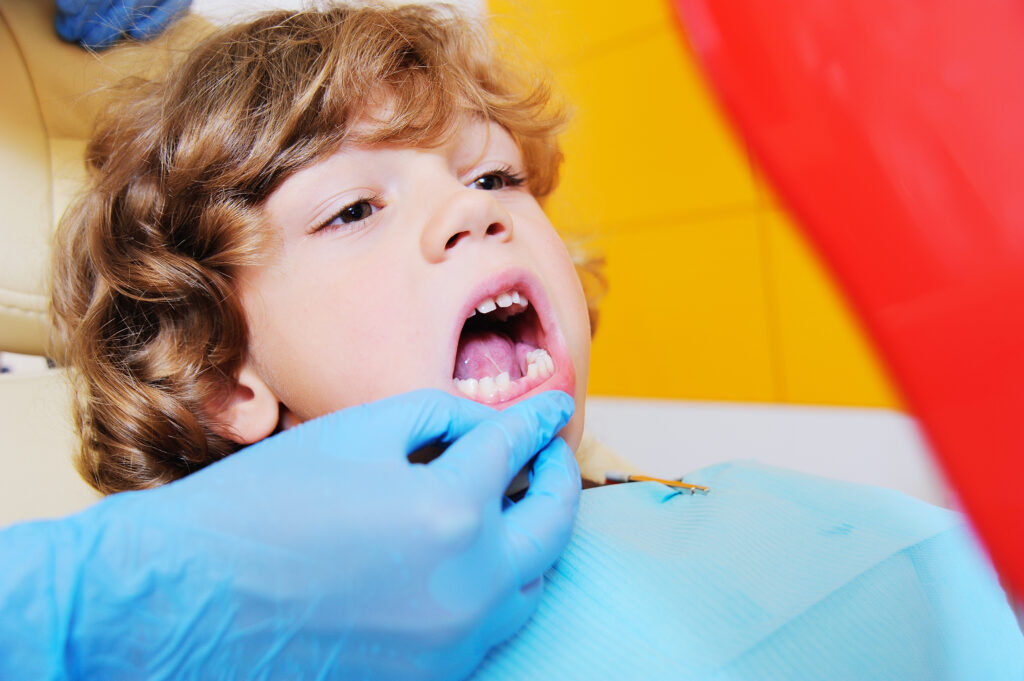
Even though primary teeth eventually fall out, they serve a purpose for several years. It is important to care for baby teeth properly and take steps to avoid decay. Sometimes cavity pain can be mistaken for a new tooth breaking during the early years.
As for fluoride, the key is to use enough to protect your toddler’s oral health, but not so much that it puts your child at risk for other problems. Before you start your youngster on fluoride toothpaste, first determine if he or she is getting it from your tap water.
You can check with your local water authority or check with your dentist. During your child’s next routine checkup, your dentist can examine your toddler’s teeth and consider all factors before deciding if fluoride toothpaste is the right course of action.
If you live near West Houston and want guidance that’s tailored to your little one, our pediatric dentistry in Katy team can review your child’s risk for cavities, fluoride exposure, and everyday habits to help you decide what’s safest.
Interesting Read
- Top Ways to Prevent Cavities in Children
- When Should a Child See a Dentist for The First Time?
- Tips to Prepare Kids for Their First Visit to the Dentist
Conclusion
Fluoride can be a powerful ally in protecting your child’s teeth, but like most things in health care, the right amount at the right time matters most. Today’s guidelines don’t treat fluoride as “all good” or “all bad” for toddlers; instead, they focus on balancing cavity protection with the small risk of overexposure.
By checking how much fluoride your child already gets from drinking water and using only a tiny smear of toothpaste when appropriate, you can support strong enamel without increasing the chance of fluorosis or other concerns.
During regular checkups, your pediatric dentist can review your child’s cavity risk, habits, and fluoride sources, then guide you on whether fluoride toothpaste or treatments are the best next step for your family.