Getting a tooth pulled is never fun, but sometimes the recovery can be just as uncomfortable, especially when your jaw still hurts days after the procedure. It’s normal to feel some soreness after a tooth extraction, especially if it is a back tooth or a wisdom tooth. Your jaw muscles and the surrounding area undergo a significant amount of stress during the procedure. But what if the pain doesn’t go away or starts to feel worse?
In this blog, we’ll break down the common reasons for jaw pain after tooth extraction, what’s considered normal during healing, and when it might be a sign that something’s wrong. Knowing what to expect can help you heal faster and avoid unnecessary stress.
Key Takeaways
- Mild jaw soreness is normal for 3–7 days after an extraction.
- Severe or lasting pain (10+ days) may signal dry socket, infection, TMJ strain, or nerve irritation.
- Common causes:
- Dry socket (lost blood clot)
- Jaw muscle strain or TMJ flare-up
- Infection at the site
- Nerve involvement
- See a dentist immediately if you experience worsening pain, fever, swelling, or a foul taste.
- Home remedies: cold/warm compresses, soft foods, saltwater rinses, OTC pain relief.
- Professional care may include antibiotics, TMJ evaluation, or nerve treatments.
- Prevention tips: follow post-op care, eat soft foods, avoid smoking or straws.
- Charm Dental Care offers same-day jaw pain treatment in Spring, Katy, Richmond, and Humble, TX.
Table of Contents
Normal Healing vs. Problematic Pain: What to Expect?
It’s completely normal to experience some soreness and swelling in the jaw after a tooth extraction. For most patients, the discomfort begins to improve within 3 to 7 days as the area starts to heal. You may notice tenderness when chewing or talking, especially if the extraction was surgical or involved a wisdom tooth.
However, not all pain is normal. If your discomfort worsens after the third day or if you’re still experiencing significant pain after 10 to 14 days, it may be a sign of an issue, such as an infection, dry socket, tooth pain, or muscle strain.
Understanding the difference between normal pain after tooth extraction and concerning symptoms helps you know when it’s time to contact your dentist and ensure proper healing of your jaw after extraction.

Common Causes of Jaw Pain After Tooth Extraction
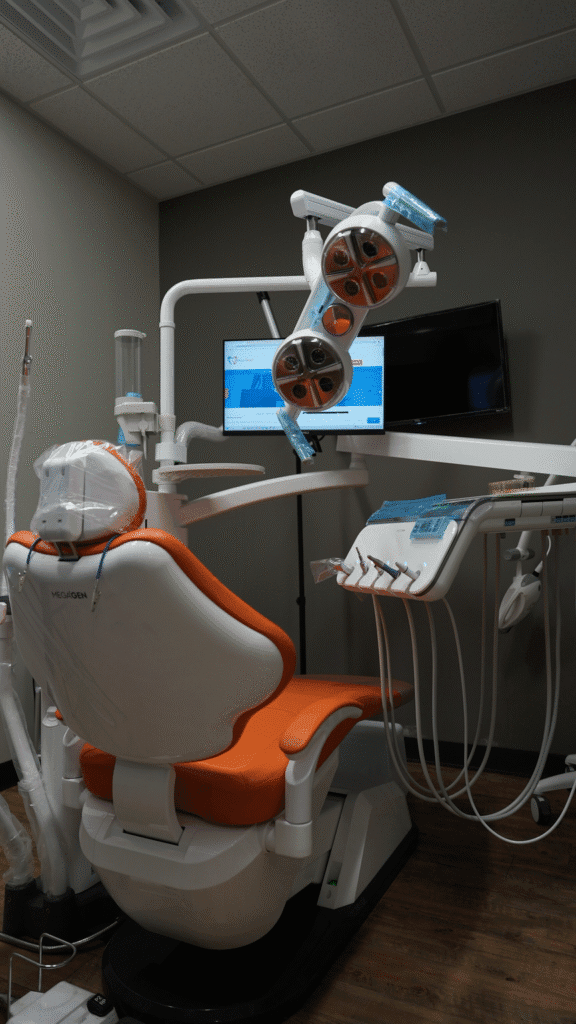
While it’s normal to experience some soreness after an extraction, persistent or worsening pain in the jaw after tooth removal may be a sign of a more serious issue. Several conditions can contribute to lingering discomfort, especially if the procedure was complex or involved the removal of wisdom teeth. Below are some of the most common causes.
Dry Socket (Alveolar Osteitis)
One of the leading causes of jaw pain after extraction is dry socket. This happens when the blood clot protecting the socket is lost too soon, leaving the bone and nerves exposed. The result is severe pain in the jawbone after extraction, often radiating toward the ear or temple. It typically starts a few days after surgery and requires dental treatment.
TMJ Flare-Up or Jaw Joint Stress
Holding your mouth open during the procedure can stress the temporomandibular joint (TMJ). If you already have TMJ issues, this can trigger muscle tension or jaw clicking. Even if you don’t, extended strain may lead to stiffness and jaw discomfort during recovery.
Nerve Inflammation or Damage
Sometimes, nerves near the extraction site, especially in the lower jaw, can become irritated. This may lead to numbness, tingling, or a sharp, burning sensation in the chin, lips, or jaw. While this usually improves over time, it can contribute to ongoing discomfort if not monitored.
Infection at the Extraction Site
If bacteria enter the area where the tooth was removed, it can lead to an infection. Signs include swelling, redness, pus, bad breath, and increasing pain. Infections can delay healing and make it feel like your tooth-pulled jaw pain won’t go away without antibiotics or further treatment.
Jaw Muscle Strain from Procedure
During longer or more complex extractions, the surrounding muscles may become overworked. This muscle strain can cause a dull, aching sensation that affects your ability to chew or speak comfortably in the days that follow.
Complications from Wisdom Tooth Removal
Wisdom teeth, particularly impacted ones, are often close to nerves and the jaw joint. Their removal can lead to swelling, bruising, and pressure in the lower face, which may extend healing time. It’s not uncommon to experience pain in the jaw after tooth removal, especially in cases where there was difficulty during surgery.
If your pain in the jawbone after extraction isn’t improving or seems to be getting worse, don’t ignore it. These symptoms may point to treatable issues that your dentist can help manage quickly and comfortably.Book an appointment now with Charm Dental Care to get the relief and care you need.
You can learn more about – what to expect after wisdom tooth extraction
When to See a Dentist Immediately?

While it’s normal to have some soreness after an extraction, specific symptoms should not be ignored. If you’re experiencing persistent jaw pain after tooth extraction, it may indicate a more serious issue that requires professional attention.
Contact your dentist immediately if you experience:
- Jaw pain lasting more than 10–14 days
- Sharp or radiating pain that spreads to your ear or neck
- Fever, swelling, or a foul taste, which could point to an infection
- Trouble opening or moving your jaw without pain
These signs may indicate conditions such as dry socket, infection, or nerve damage following tooth extraction. If your jaw still hurts weeks after tooth extraction, or your jaw pain is getting worse, don’t wait. Early treatment is crucial for a smooth recovery. For your convenience, we offer flexible payment options
How to Relieve Jaw Pain at Home?
If you’re experiencing jaw soreness after extraction, there are several safe and effective ways to manage discomfort from home, especially during the early healing phase. These remedies can help reduce pain, swelling, and inflammation without the need for immediate dental intervention.
Here are some simple ways to find relief:
- Apply a cold compress during the first 24 to 48 hours to reduce swelling, then switch to a warm compress to relax sore jaw muscles.
- Take over-the-counter pain relievers, such as ibuprofen or acetaminophen, as directed by your dentist.
- Stick to a soft diet such as soups, yogurt, and mashed potatoes, and avoid chewing on the side of the extraction.
- Use saltwater rinses (after the first 24 hours) to clean the area and support healing gently.
- Avoid straws, smoking, and vigorous spitting, which can dislodge the healing clot and cause more pain.
These steps can provide absolute comfort when your jaw hurts after extraction, especially if the pain is mild to moderate. However, if symptoms persist or worsen, please get in touch with your dentist.
Read about – what to do during a dental emergency
What Your Dentist Might Recommend
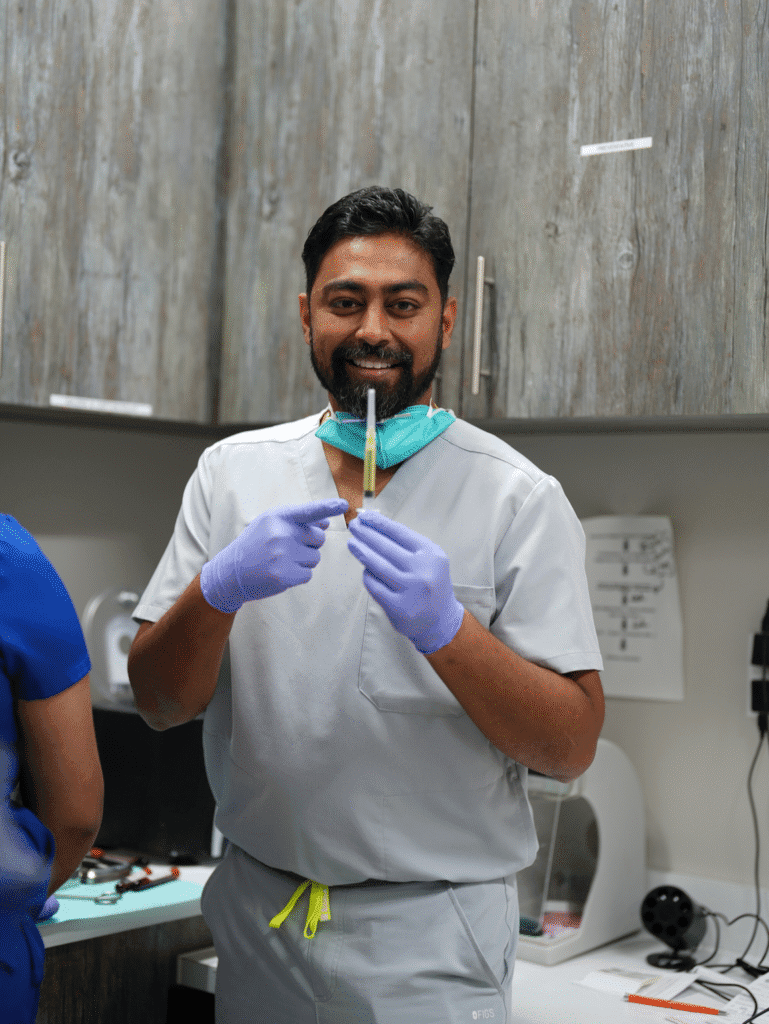
If home care isn’t enough and your jaw pain continues or worsens, your dentist will evaluate the area to identify the cause and provide the proper treatment. In some cases, nerve damage causing jaw pain after extraction becomes a key concern, especially if the pain is sharp, persistent, or accompanied by numbness or tingling.
Here are some common treatments your dentist may suggest:
- Bite adjustment or TMJ screening to check for jaw joint misalignment or muscle strain
- X-rays to look for hidden issues such as bone fragments or signs of infection
- Antibiotics if an infection is present, or a medicated dressing for a dry socket
- Nerve pain medications if the discomfort is related to inflammation or irritation of nearby nerves
- Referral for TMJ therapy if the pain is linked to joint dysfunction or muscle tension
Prompt treatment can significantly reduce pain and prevent complications, especially when nerve involvement or infection is suspected.
Many of these treatments may be partially or fully covered by your dental insurance plan. Be sure to review your benefits or contact our team to help you understand your coverage.

Can You Prevent Jaw Pain After Future Extractions?
Yes, while some soreness is expected, there are several steps you can take to prevent or reduce jaw pain after future tooth extractions. Planning and following proper aftercare can significantly impact your comfort and recovery time.
Here’s how to minimize the risk:
- Ask your dentist about a TMJ assessment before surgery, especially if you have a history of jaw pain or clicking
- Carefully follow all post-op care instructions, including rest, diet, and hygiene tips.
- Avoid placing unnecessary strain on your jaw, such as talking excessively, yawning widely, or chewing tough foods.
- Stick to a soft diet for the first few days, allowing your jaw time to recover.
These simple steps can go a long way in avoiding complications. If you’re looking for post-extraction jaw pain, help in Katy, TX, or at any of our other Charm Dental locations, our team is here to support a smooth, pain-free recovery.
Also Read– Weekend Dental Emergencies & Saturday Dentist Options
Visit Charm Dental for Post-Extraction Jaw Pain Relief
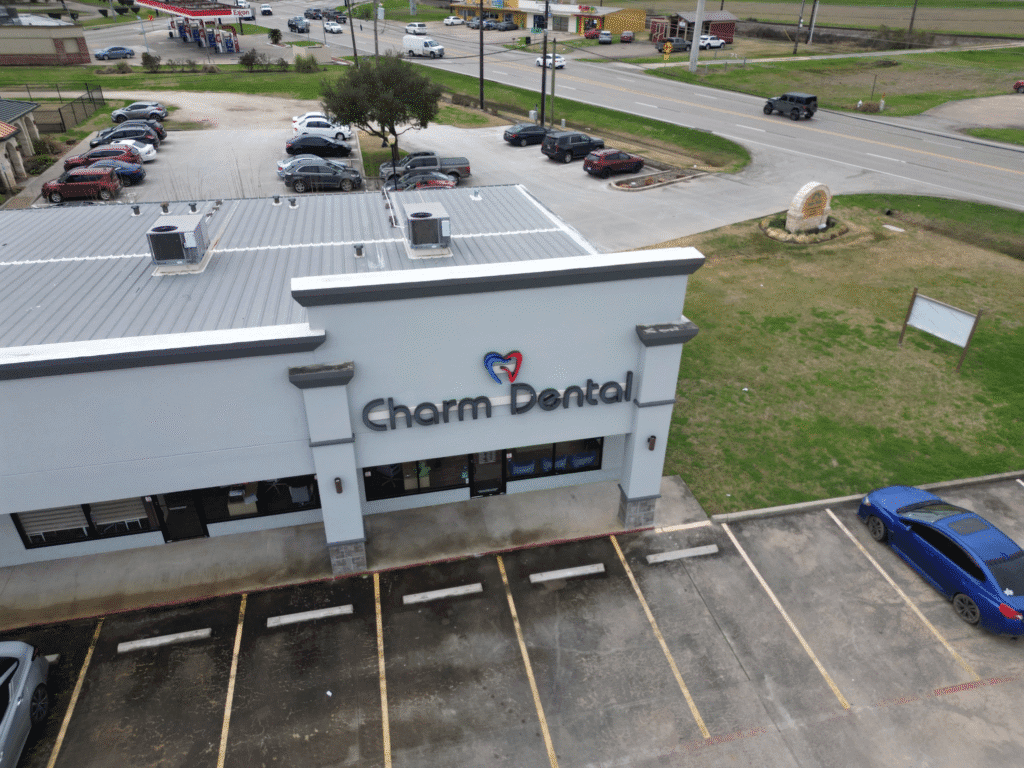
If you’re still dealing with jaw pain after a tooth extraction, don’t wait; get the care you need from a team you can trust. At Charm Dental Care, we provide expert treatment for post-extraction discomfort, including dry socket, temporomandibular joint (TMJ) pain, and infections. Whether your pain is mild or severe, our compassionate dental team is here to help you heal quickly and comfortably.
- Spring, TX – Looking for an emergency dentist for jaw pain in Spring, TX? We offer same-day care.
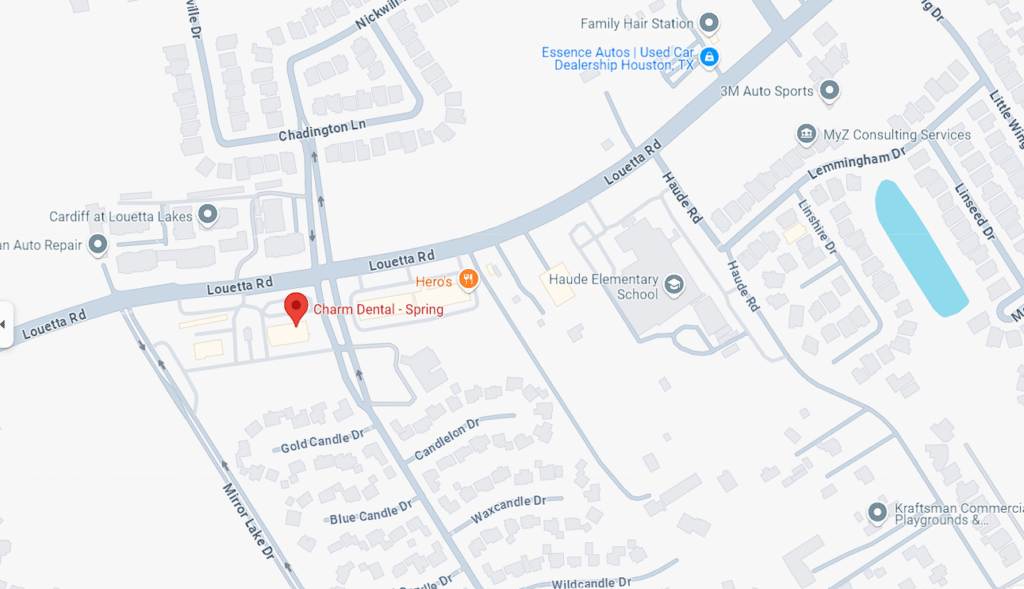
- Katy, TX – Get fast relief with our emergency dentist for jaw pain in Katy, TX
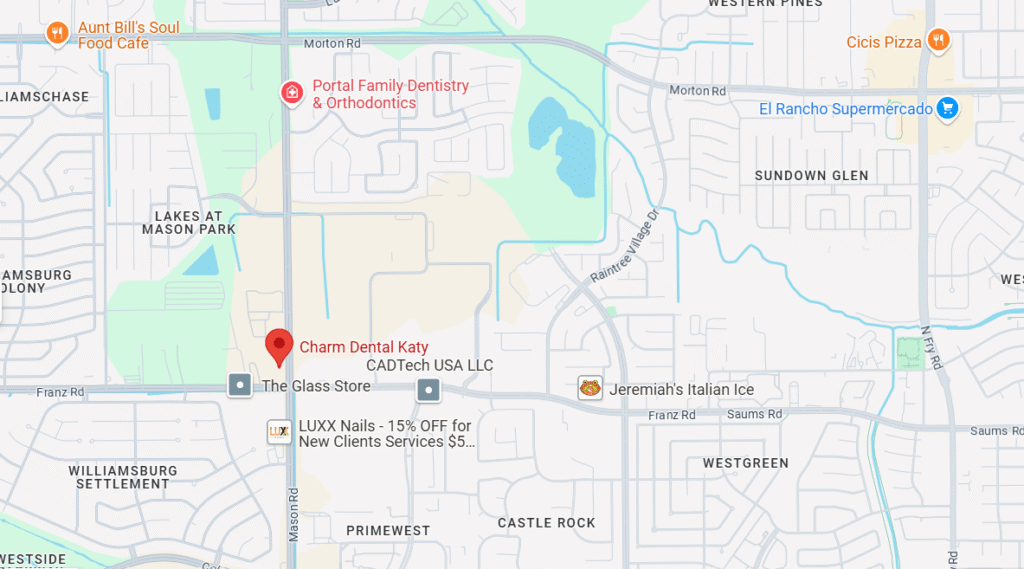
- Richmond, TX – Visit our emergency dentist for jaw pain in Richmond, TX, for personalized care.
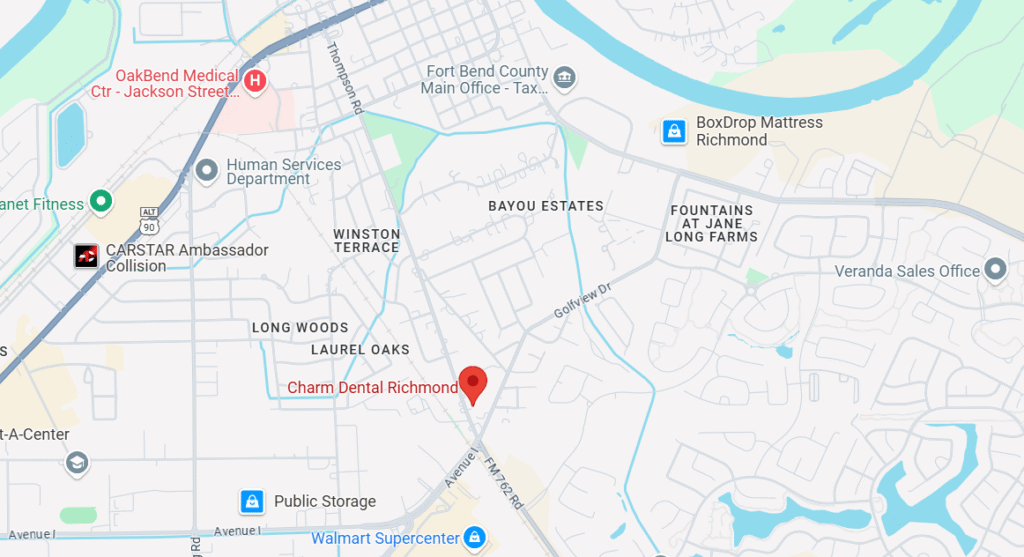
- Humble, TX – We’re here for you, though weekend emergency care is limited at our Humble location.

We proudly serve patients at four convenient locations:
We offer same-day and emergency appointments at most locations, treating a wide range of conditions, from extractions to complex jaw pain.
Let Charm Dental Care be your trusted partner in pain-free recovery.

You Might Also Like
- Soft Foods to Eat After Dental Surgery
- Wisdom Tooth Extraction 101: A Comprehensive Guide About Tooth Extraction
- What to Expect During Your First Dental Visit in Katy, TX
Conclusion
Experiencing some discomfort after a tooth extraction is standard, but if your jaw still hurts weeks after tooth extraction, it’s time to take it seriously. Ignoring long-term pain after tooth extraction could delay healing or lead to more serious issues like infection or TMJ problems. This is especially true if you experience jaw pain after wisdom tooth removal, which often requires additional care.
At Charm Dental Care, we’re here to help you heal comfortably and quickly. If your pain isn’t improving, don’t wait; book a consultation at one of our convenient locations in Spring, Katy, Richmond, or Humble. We offer compassionate, expert care to help you feel better quickly.
Frequently Asked Questions (FAQs)
1. Is It Normal For The Jaw To Hurt Weeks After A Tooth Extraction?
Some soreness can last for a few days, but if your jaw still hurts weeks after a tooth extraction, it may not be normal. This could be a sign of infection, dry socket, or stress on the jaw joint. It’s best to have it checked.
2. Why Is My Jaw Sore 2 Weeks After Tooth Extraction?
A sore jaw two weeks after extraction might be caused by overuse of the jaw, nerve irritation, or lingering inflammation. If you’re also noticing swelling or pain that worsens, don’t wait book an appointment at Charm Dental Care so we can help you heal properly.
3. What Causes Jaw Pain Long After Wisdom Teeth Removal?
Jaw pain long after wisdom tooth removal can result from dry socket, nerve irritation, sinus involvement (for upper wisdom teeth), or TMJ strain during surgery. These issues are treatable but require professional care. Visit your nearest Charm Dental Care location if your jaw pain continues.
4. How Long Does Jaw Soreness Last After Dental Surgery?
Most jaw soreness fades within 3 to 7 days after dental surgery. Some tenderness may last up to 10 days, especially after more complex extractions. If the soreness is worsening or doesn’t go away, it’s best to consult your dentist.
5. Can TMJ Symptoms Worsen After A Dental Extraction?
Yes, dental extractions can sometimes worsen TMJ symptoms, especially if your mouth was open for an extended period during the procedure. This can cause jaw clicking, tension, or discomfort. A TMJ evaluation may help if symptoms persist.
6. How To Relieve Jaw Pain After Tooth Extraction?
To relieve jaw pain at home, use a cold compress for the first 24 to 48 hours, then switch to a warm compress. Eat soft foods, avoid chewing on the extraction side, and rinse gently with a saltwater solution. Over-the-counter pain relief, such as ibuprofen, can also help.If the pain doesn’t improve, contact Charm Dental Care for further evaluation.
7. Should I See A Dentist If My Jaw Still Hurts After The Extraction?
Yes. If your jaw still hurts several days or weeks after a tooth extraction, it’s essential to see a dentist. Lingering pain may indicate a dry socket, infection, or nerve irritation. At Charm Dental Care, we provide expert, gentle care to help you recover safely.
8. What Are Signs Of Infection After Tooth Extraction In The Jaw?
Signs of infection may include increased jaw pain, swelling, redness, pus or discharge, a foul taste, or fever. Pain that spreads to your ear or neck is also a warning sign. If you experience any of these symptoms, please contact Charm Dental Care immediately.
9. Can Dry Socket Cause Jaw Pain?
Yes, dry socket is one of the most common causes of severe jaw pain after a tooth extraction. It occurs when the blood clot at the extraction site is lost, exposing the bone and nerves. This can cause sharp, throbbing pain that often radiates to the ear or temple.
10. What Could Cause Tooth Extraction Pain 7 Days Later?
Pain lasting a whole week after extraction could be caused by a dry socket, a minor infection, or a small bone fragment left behind. In some cases, it may simply be a slow-healing process. However, if pain increases instead of getting better, it’s best to visit Charm Dental Care for a quick checkup.
11. What Are Signs Of Medication-Related Osteonecrosis Of The Jaw (MRONJ)?
If you’ve taken medications like bisphosphonates or certain cancer drugs and experience exposed bone, poor healing, or lingering pain after a tooth extraction, it could be a sign of osteonecrosis of the jaw. This condition is rare but serious.
12. Can Residual Bone Fragments Cause Jaw Pain After Extraction?
Yes, leftover bone fragments, called sequestra, can cause irritation, swelling, or pain in the jaw after an extraction. These may surface during healing and often feel sharp or rough. Your professional dentist can easily remove them if they don’t come out on their own.
13. What Is Osteomyelitis In The Jaw After Tooth Extraction?
Osteomyelitis is a deep bone infection that can develop after dental surgery if bacteria spread into the jawbone. Symptoms include ongoing pain, swelling, fever, or redness. Though rare, it requires immediate treatment. If you suspect this condition, seek care at Charm Dental Care without delay.
14. Can Sinus Problems Cause Jaw Pain After Upper Tooth Removal?
Yes. Some upper teeth, especially molars, sit close to the sinuses. After extraction, this can lead to sinus inflammation or even a small opening between the mouth and the sinus. This may cause jaw or cheek pain, sinus pressure, or congestion. Your dentist can evaluate and treat this if needed.
15. Does Smoking Increase The Risk Of Post-Extraction Jaw Pain?
Absolutely. Smoking can delay healing and significantly increase the risk of dry socket, infection, and prolonged jaw pain after a tooth extraction. Avoiding smoking for at least 72 hours after your procedure (ideally longer) gives your body the best chance to heal correctly.