Many people experience jaw pain, clicking sounds, or stiffness without knowing the cause. One common reason is TMJ disorder. So, what does TMJ stand for? TMJ refers to the temporomandibular joint, which connects your jawbone to your skull and helps you talk, chew, and yawn.
When this joint or the surrounding muscles stop working properly, it can lead to discomfort and ongoing pain. Understanding the TMJ meaning is the first step toward finding relief.
This guide explains TMJ symptoms, causes, diagnosis, and treatment options available in Katy, TX. Patients seeking relief for jaw pain often begin with an evaluation at Charm Dental Care Katy, where TMJ concerns can be assessed early and managed effectively.
Key Takeaways
- TMJ refers to the temporomandibular joint that controls jaw movement.
- TMJ disorder can cause jaw pain, clicking sounds, stiffness, and headaches.
- Common causes include teeth grinding, stress, bite issues, and jaw injury.
- TMJ is diagnosed through a clinical exam and, in some cases, imaging.
- Most TMJ cases improve with conservative treatments like splints, exercises, and stress management.
- Physical therapy can help relieve muscle-related TMJ pain and stiffness.
- Botox may reduce jaw clenching and pain when other treatments are not enough.
- Surgery is rarely needed and is reserved for severe or persistent cases.
Table of Contents
TMJ Symptoms: Jaw Pain, Clicking, And Warning Signs

TMJ disorder can show up in different ways, and symptoms often start mild before becoming more noticeable. Many people first notice jaw pain or a clicking sound when opening or closing their mouth.
Common TMJ Symptoms include
- Tooth Pain or tenderness in the jaw area.
- Clicking or popping sounds while chewing or yawning.
- Difficulty opening the mouth fully.
- Facial pain or soreness around the ears.
- Headaches that feel similar to migraines.
- Jaw stiffness, especially in the morning.
Some people also notice symptoms spreading beyond the jaw, such as neck pain or chewing discomfort.
When TMJ Symptoms Should Not Be Ignored?
If jaw pain becomes frequent or affects daily activities such as eating or speaking, it may indicate an underlying TMJ issue. Early evaluation can help prevent symptoms from getting worse over time.
Also Read: Dentist in Katy, TX – Family Dental Clinic

What Causes TMJ Disorder? Grinding, Stress, And More
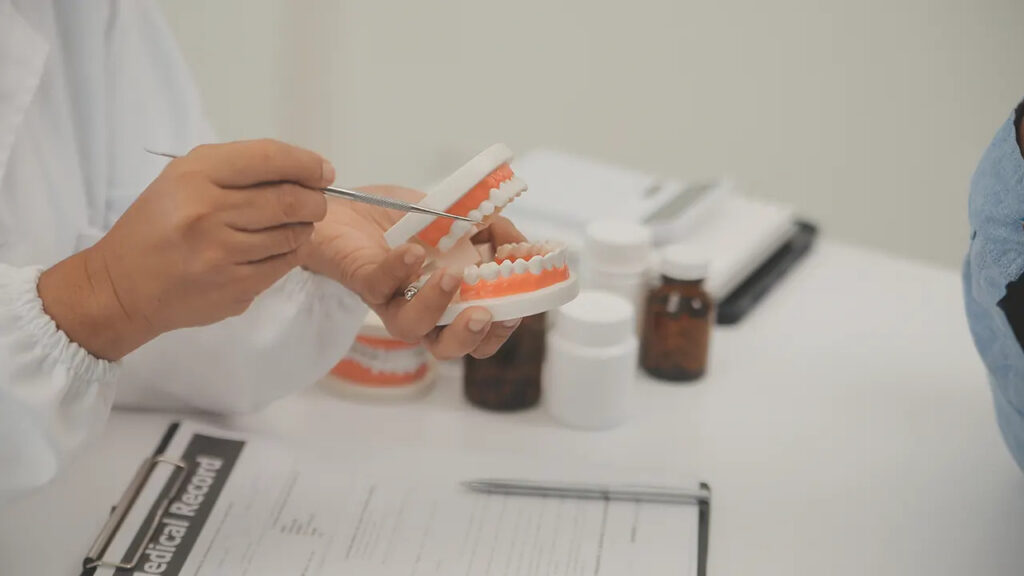
TMJ disorder can develop for several reasons, and in many cases, more than one factor is involved. Understanding the causes helps explain why TMJ symptoms may appear gradually or worsen over time.
One common cause is teeth grinding, especially at night. Grinding repeatedly applies pressure to the temporomandibular joint and surrounding muscles, which can lead to inflammation and pain.
Stress also plays a major role, as it often causes jaw clenching during the day without individuals’ awareness.
Other common TMJ causes include:
- Jaw injury or trauma.
- Poor bite alignment or uneven teeth.
- Arthritis affecting the jaw joint.
- Muscle tension in the face and neck.
Because TMJ symptoms can have multiple triggers, identifying the main cause is important for effective treatment. A dental evaluation helps determine whether grinding, stress, or bite-related issues are contributing factors.
Patients in Katy who want a professional assessment of TMJ causes can learn more about the dental team involved in diagnosis.
How Is TMJ Diagnosed By A Dentist?

Diagnosing TMJ disorder starts with understanding your symptoms and how your jaw functions.
A dentist looks at both muscle movement and joint alignment to identify the source of discomfort.
The TMJ diagnosis process usually includes:
- Reviewing symptoms such as jaw pain, clicking, or stiffness.
- Checking how the jaw opens and closes.
- Feel the jaw muscles for tenderness or tightness.
- Evaluating bite alignment and tooth wear.
In some cases, imaging such as X-rays or digital scans may be used to better understand joint position and structure. This helps the dentist confirm the TMJ diagnosis and rule out other conditions that may cause similar symptoms.
A clear diagnosis is important because TMJ symptoms can overlap with sinus issues, ear problems, or headaches. Accurate evaluation ensures treatment is focused on the real cause.
For patients planning ongoing care or follow-up visits, cost-friendly options may be available through the Charm Dental Care Membership Plan, which can help manage treatment expenses.
Conservative TMJ Treatment Options: Splints And Exercises

Most TMJ cases are treated using conservative, non-surgical methods. These approaches focus on reducing pain, relaxing the jaw muscles, and improving jaw movement during daily activities.
One common TMJ treatment is a dental splint, also known as a night guard. Splints help reduce pressure on the jaw joint and protect teeth from grinding during sleep. They are often recommended for patients who clench their jaws or grind their teeth at night.
In addition to splints, simple jaw exercises may be suggested. These exercises help strengthen muscles, improve jaw mobility, and reduce stiffness over time.
Conservative TMJ treatment options often include:
- Wearing a custom dental splint.
- Jaw stretching and relaxation exercises.
- Avoiding hard or chewy foods temporarily.
- Managing stress that leads to jaw tension.
These treatments are usually tried first because they are effective for many patients and involve minimal risk.
Patients looking for preventive care support and follow-up treatment options can explore the benefits available through Charm Dental Care’s Offers.
TMJ Physical Therapy And Jaw Muscle Relief

Physical therapy is often recommended when TMJ symptoms are related to muscle tension rather than joint damage. TMJ-focused PT helps improve jaw movement, reduce stiffness, and ease daily discomfort.
Physical therapy for TMJ commonly includes guided jaw stretches, posture correction, and targeted massage techniques.
These methods focus on relaxing tight muscles around the jaw, neck, and shoulders that contribute to pain and clicking.
Many patients notice improvement through
- Gentle jaw mobility exercises.
- Muscle relaxation and soft tissue massage.
- Posture and neck alignment support.
- Reduced muscle tension over time.
TMJ physical therapy is typically combined with other conservative treatments for improve outcomes. Consistency is important, as muscle-related TMJ issues often improve gradually rather than overnight.
Patients who need help planning ongoing TMJ care or therapy-related visits can review available options on the Charm Dental Care Payment.
Interesting Read: Why Regular Dental Visits Matter for Long-Term Oral Health
Botox For TMJ In Katy: Cost, Benefits, And Results

For patients who do not get enough relief from splints or physical therapy, Botox for TMJ may be recommended. Botox works by relaxing overactive jaw muscles that cause clenching, grinding, and pain.
Botox is injected into specific jaw muscles to reduce tension and pressure on the joint. Many patients notice improvement in jaw pain, headaches, and muscle tightness within a few days.
Botox TMJ Cost Range
The cost of a Botox jaw treatment typically depends on the number of units required.
| Treatment Area | Estimated Cost Range |
|---|---|
| Mild muscle tension | $300–$600 |
| Moderate to severe TMJ | $700–$1,200 |
Note: Botox cost may vary based on muscle activity and treatment needs.
Benefits Of Botox For TMJ
- Reduces jaw clenching and grinding.
- Helps relieve chronic jaw pain and headaches.
- Non-surgical and minimally invasive.
- Short treatment time with minimal downtime.
Botox is often used as part of a broader TMJ treatment plan rather than a standalone solution.

TMJ Surgery: When Is It Needed And What Does It Cost?
TMJ surgery is usually considered only when conservative treatments do not provide relief. Most patients improve with splints, therapy, or Botox, so surgery is reserved for severe or persistent cases.
When TMJ Surgery May Be Recommended?
TMJ surgery may be suggested if
- Jaw pain is severe and long-lasting.
- Jaw movement is limited, or locking occurs frequently.
- Imaging shows joint damage or structural problems.
- Other treatments have not worked.
The goal of surgery is to improve joint function and reduce ongoing toothache.
TMJ Surgery Cost Considerations
The cost of TMJ surgery varies based on the procedure type, surgeon experience, and the hospital or surgical setting. Advanced procedures typically cost more and may involve recovery time.
Note: TMJ surgery cost may vary based on diagnosis, procedure type, and individual treatment needs.
Insurance And TMJ Surgery
In some cases, dental insurance may help cover part of TMJ surgery, especially if it is considered medically necessary. Coverage depends on the insurance plan and required documentation.
Also Read: Dental Insurance & Financing at Charm Dental
Schedule A TMJ Evaluation In Katy, TX
If you are experiencing jaw pain, clicking, headaches, or discomfort while chewing, a TMJ evaluation can help identify the cause. During the visit, the dentist will assess jaw movement, review symptoms, and discuss treatment options based on your needs.
Early evaluation can prevent symptoms from worsening and help you find relief sooner. Whether your TMJ concerns are mild or ongoing, getting clear answers makes the next steps easier.
To get started, you can request an appointment or schedule a TMJ evaluation in Katy, TX.
Why Patients Choose Charm Dental Care For TMJ Treatment In Katy?
Charm Dental Care Katy
Managing TMJ disorder requires careful evaluation, patience, and the right treatment approach.
Many patients choose Charm Dental Care Katy because TMJ care here focuses on comfort, clarity, and long-term relief.
Patient’s value
- Thorough TMJ evaluations that look beyond surface symptoms.
- Clear explanations of treatment options, from conservative care to advanced solutions.
- A step-by-step approach that avoids unnecessary procedures.
- Flexible support through insurance, membership plans, and payment options.
- A calm, patient-first environment for those dealing with chronic jaw pain.
For many people in Katy, choosing TMJ care here means experiencing hearing, understanding, and support throughout the treatment process.
You Might Also Like
- Why Is Your Tooth Hurting?
- What to Expect During Your First Dental Visit in Katy, TX
- Dental Care for the Entire Family
Final Thoughts On TMJ Disorder Treatment In Katy, TX
TMJ disorder can affect daily life in ways many people do not expect, from jaw pain and headaches to difficulty eating or speaking comfortably. Understanding what TMJ stands for, recognizing symptoms early, and knowing your treatment options can make a big difference in long-term relief. Most TMJ cases respond well to conservative care, especially when addressed early.
The key is getting an accurate diagnosis and a treatment plan tailored to your symptoms. If jaw discomfort has become part of your routine, it may be time to seek professional guidance. You can take the next step by contacting Charm Dental Care to schedule an evaluation for personalized TMJ care.
FAQs ( Frequently Asked Questions)
Q1. What Is TMJ?
TMJ stands for the temporomandibular joint, which connects the jaw to the skull. TMJ disorder occurs when the TMJ or surrounding muscles do not function properly, leading to pain, clicking, or stiffness.
Q2. How Do I Know If I Have TMJ?
You may have TMJ if you experience jaw pain, clicking or popping sounds, difficulty opening your mouth, frequent headaches, or jaw stiffness, especially in the morning.
Q3. What Causes TMJ Disorder?
Common causes of TMJ issues include teeth grinding, jaw clenching, stress, bite problems, arthritis, and past jaw injuries. In many cases, more than one factor is involved.
Q4. How Is TMJ Diagnosed?
TMJ is diagnosed through a clinical exam that checks jaw movement, muscle tenderness, bite alignment, and symptoms. Imaging may be used in some cases to confirm the diagnosis.
Q5. Are There Non-Surgical TMJ Treatments?
Yes. Most TMJ cases are treated with non-surgical options, including dental splints, jaw exercises, lifestyle changes, and stress management.
Q6. Does Physical Therapy Help TMJ?
Yes. TMJ-focused physical therapy can help reduce muscle tension, improve jaw mobility, and relieve pain through guided exercises and massage techniques.
Q7. Does Botox Work For TMJ?
Botox for TMJ can help relax overactive jaw muscles, reducing clenching, grinding, and pain. It is often recommended when conservative treatments do not provide enough relief.
Q8. When Is TMJ Surgery Needed?
TMJ surgery is usually considered only in severe cases where pain persists, and other treatments have not worked. Most patients do not need surgery.