Mouth taping has become a popular online sleep trend, with people claiming it helps reduce snoring, improve sleep, and encourage nasal breathing. While nasal breathing is healthy for your teeth and airway, mouth taping dental concerns exist because sealing the lips shut is not safe or appropriate for everyone.
At Charm Dental Care, we want to help you separate online hype from real oral health facts.
In this blog, we will explain what mouth taping does, when it may help, when it may harm, and safer dentist-approved alternatives if you struggle with mouth breathing or dry mouth at night, so you can protect your sleep and your smile.
Key Takeaways
- Mouth taping encourages nasal breathing but does not address the underlying cause of mouth breathing.
- It may reduce snoring for some, but can worsen breathing issues for others.
- People with sleep apnea, nasal blockage, or respiratory issues should avoid it.
- Better, safer solutions exist to improve airflow and reduce dry mouth.
- A dental airway check can help identify the real cause of nighttime mouth breathing.
Table of Contents
What Is Mouth Taping and Why Do People Try It?

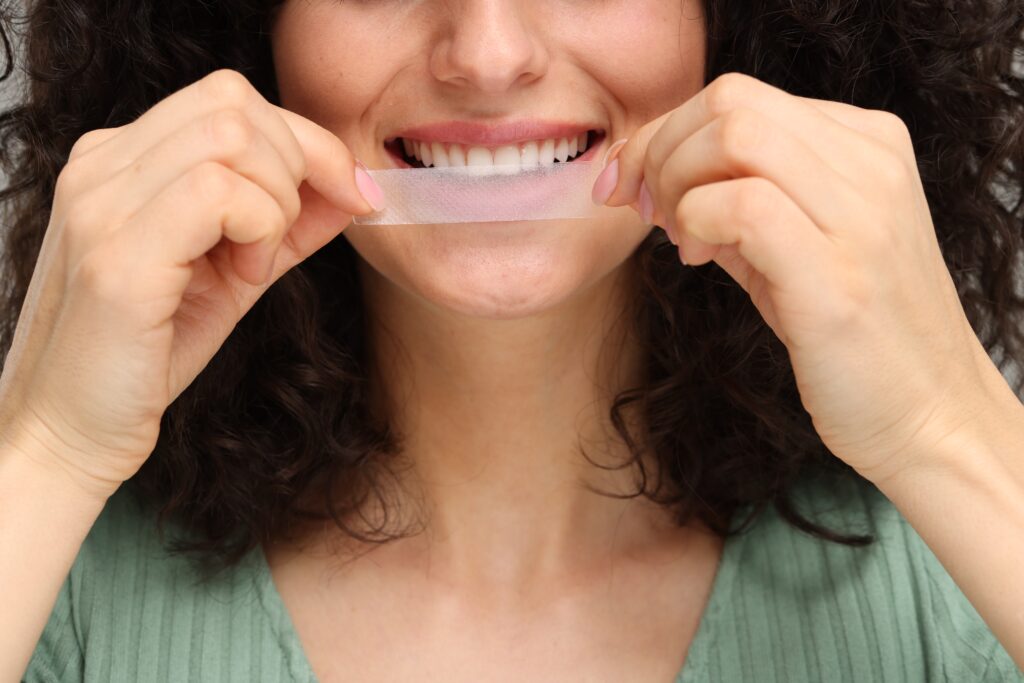
Mouth taping involves placing a small piece of skin-safe tape over your lips while you sleep to encourage breathing through your nose rather than your mouth.
People try it because nose-breathing supports better nasal breathing oral health, like improved airflow, better oxygen absorption, and less snoring.
Here’s what mouth taping aims to help with:
• Reducing snoring and mouth breathing during sleep.
• Improving saliva flow by keeping the mouth closed.
• Supporting nasal breathing, which filters and warms the air.
• Less dry mouth and throat irritation in the morning.
Even though mouth taping can help keep your lips closed, it does not address the underlying reason you may be breathing through your mouth, which is important for oral and airway health.
Also Read – Tips to Help Keep Your Teeth Clean Between Dental Cleanings

Potential Benefits: Who Might It Help?
Some adults notice improvements when they gently tape the lips at night, especially if mouth breathing is the main issue.
Supporters of snoring mouth taping believe that switching to nasal breathing may:
• Reduce snoring caused by open-mouth sleep.
• Lower risk of waking with a dry mouth or sore throat.
• Help saliva protect teeth better overnight.
• Improve moisture for gums and tongue.
• Support more stable breathing patterns during sleep.
These benefits sound appealing, but results vary widely. Mouth taping should never replace a proper dental or medical evaluation if symptoms affect daily sleep, comfort, or oral health.
Risks and Limitations Dentists Want You To Know
While some people promote mouth taping as a quick fix for snoring or better sleep, it is not always mouth taping safe especially without a professional evaluation.
Sealing the lips shut can create challenges for anyone who naturally breathes through their mouth during sleep.
Here are key concerns dentists watch for:
• Increased cavity risk – saliva flow decreases when taped, allowing bacteria to grow faster.
• Dry or swollen gums – lack of saliva reduces natural protection against irritation.
• Skin irritation – adhesive can cause rashes or peeling around the lips.
• Breathing difficulty – if the nose is congested, the body cannot compensate by mouth breathing.
• Worsening sleep apnea – forcing nasal breathing during airway obstruction is unsafe.
• Uncomfortable sleep – kids and anxious sleepers may panic if they feel restricted.
If you notice morning headaches, choking, or waking up gasping, stop taping immediately and talk to a dentist or physician. Snoring and sleep disturbances deserve a safe diagnosis, not a temporary tape-based workaround.
Who Should Avoid Mouth Taping?
Mouth taping is not recommended for everyone. Even if someone tries snoring mouth taping for quieter sleep, blocking the mouth can be unsafe for people with certain health concerns.
Avoid mouth taping if you or your child:
• Snore loudly or stop breathing at night (possible sleep apnea).
• Have a nasal blockage from allergies, cold, or a deviated septum.
• Experience asthma or respiratory conditions.
• Have severe dry mouth or active gum disease.
• Are under 13 years old unless a dentist says otherwise.
• Feel anxious, claustrophobic, or uncomfortable with adhesives.
• Grind teeth so strongly that jaw needs to move freely.
If snoring, restless sleep, or mouth breathing is happening regularly, mouth taping may hide the problem, not fix it.
A dental exam with airway screening helps identify the underlying cause of mouth breathing before choosing the right solution.

Dentist-Approved Ways To Prevent Dry Mouth at Night

If your goal is better moisture and comfort while sleeping, there are safer dry-mouth remedies that support saliva rather than restricting airflow.
Helpful tips:
• Sip water throughout the day to stay hydrated.
• Use a humidifier in the bedroom to reduce overnight dryness.
• Choose alcohol-free mouthwash to protect saliva levels.
• Avoid spicy, salty, or acidic snacks late at night.
• Switch to a toothpaste designed for dry mouth care.
• Practice nasal breathing exercises before bedtime.
• Place a small warm towel near the nose to encourage airflow.
If dryness continues or your gums feel irritated, a quick visit to Charm Dental Care can help identify the cause and recommend personalized solutions.
No insurance?
Our Membership Plan provides savings on exams and treatments for dry mouth and breathing-related dental concerns. PPO plans, Medicaid/CHIP, and CareCredit® payment options are also supported to keep care affordable.
Safer Alternatives to Mouth Taping
If you want the benefits of nasal breathing without blocking your mouth, try these tape alternatives that are dentist-approved:
• Nasal strips to improve airflow.
• Saline spray for nighttime congestion.
• Humidifier to keep the air moist.
• Chin support if the mouth falls open during sleep.
• Mouth exercises to help the tongue stay in the right position.
These options support healthy breathing while protecting saliva and enamel without the risks of taping.
If dryness, snoring, or mouth breathing continue, our team at Charm Dental Care can help find the cause and provide the right guidance.
We also offer PPO insurance support and flexible financing, so cost is never a barrier to better sleep and oral health.

You Might Also Like
- Gum Disease: Symptoms, Prevention, and Treatment
- How to Deal with Tooth Sensitivity to Sugar
- Six Steps of an Oral Cancer Screening
Conclusion
Mouth taping may look like an easy way to reduce snoring or encourage nasal breathing, but it is not the right solution for everyone, especially if mouth breathing is caused by congestion, allergies, or sleep-disordered breathing.
Saliva keeps teeth protected all night, so anything that increases dryness can raise the risk of cavities and gum irritation. The safest approach is to first understand why your mouth stays open during sleep and then address that root cause.
At Charm Dental Care, we help identify breathing habits, check for dental or airway concerns, and guide families toward safe, dentist-approved solutions. Have questions? Our team is here to help you make confident decisions for healthy sleep and a healthy smile.
FAQs (Frequently Asked Questions)
Q1: Is Mouth Taping Safe For Everyone?
No. Mouth taping may not be safe for people with sleep apnea, asthma, chronic nasal blockage, or breathing difficulties. Always speak with a dental expert or a physician before trying mouth taping, a dental trend.
Q2: Does Mouth Taping Help With Cavities Or Oral Health?
Not directly. Nasal breathing supports saliva flow, but tape alone does not prevent decay. Fluoride, hydration, and regular checkups are still needed to protect teeth.
Q3: Can Mouth Taping Reduce Snoring?
It may help some people who snore due to mouth breathing. However, safer alternatives exist and should be tried first before taping nightly.
Q4: Is Mouth Taping Safe For Children?
No. Children should never have their mouths taped. If a child mouth-breathes or snores, schedule an airway screening with a dentist or ENT specialist.
Q5: What Are Safer Alternatives To Mouth Taping?
Nasal strips, humidifiers, allergy treatment, side-sleeping, and breathing exercises can improve airflow without covering the mouth. These tape alternatives are dentist-approved.
Q6: How Can I Prevent Dry Mouth At Night?
Hydrate well, use fluoride toothpaste, xylitol products, nasal breathing support, and saliva substitutes. These dry mouth remedies help protect enamel while you sleep.
Q7: Can Mouth Taping Cause Skin Or Gum Problems?
Yes. Tape may irritate the skin around the mouth or worsen dry mouth, increasing the risk of cavities in some patients.
Q8: Will Mouth Taping Help With TMJ Or Jaw Pain?
Not necessarily. If clenching or grinding is the cause, a custom night guard is a safer and more effective option for jaw relief.
Q9: Should I Try Mouth Taping Without A Dental Check?
It is better to consult a dentist first. We can check airway health, saliva flow, and enamel condition, and guide you on safer steps to improve breathing and sleep.