Dental visits can feel overwhelming for children who experience fear, sensory sensitivities, difficulty sitting still, or anxiety around unfamiliar sounds and procedures. These challenges may be even greater for children with autism, ADHD, developmental conditions, or other special healthcare needs.
Sedation dentistry for kids can help make necessary dental treatment calmer and more manageable when regular behavior-guidance techniques are not enough.
In this guide, we will explain how pediatric sedation dentistry works, who may benefit, the available sedation options, and what parents should know about safety, preparation, and recovery.
Key Takeaways
- Pediatric sedation can help children feel calmer during necessary dental treatment.
- Sedation may support children with anxiety, sensory sensitivities, autism, ADHD, or difficulty remaining still.
- Nitrous oxide, oral sedation, and IV sedation provide different levels of relaxation.
- The recommended option depends on the child’s health, age, anxiety, and treatment needs.
- Parents should share the child’s complete health history and follow all fasting instructions.
- Children need close adult supervision after oral or IV sedation.
- Parents should contact the dental team immediately when unusual recovery symptoms appear.
Table of Contents
What Is Pediatric Sedation Dentistry?
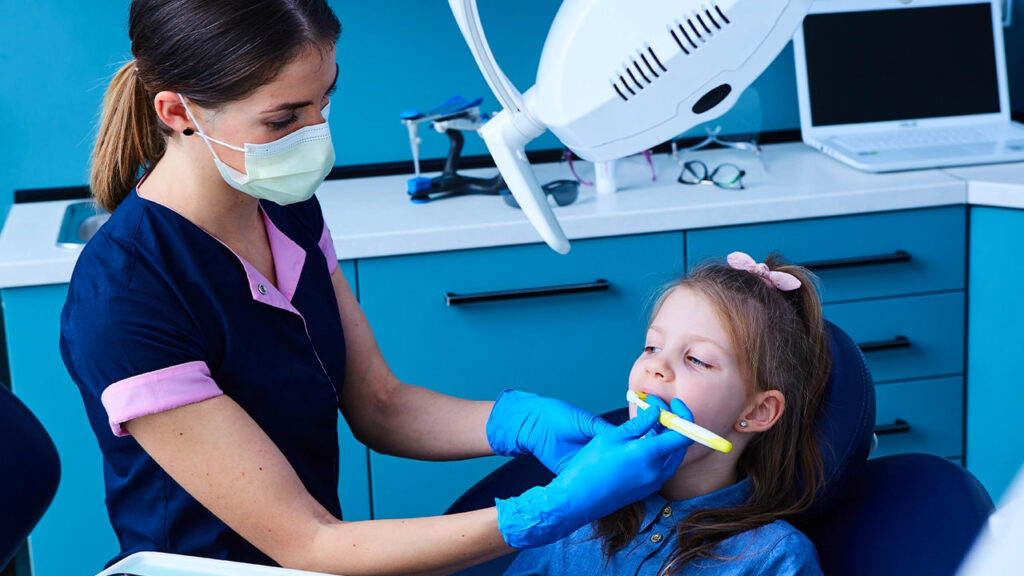
Pediatric sedation dentistry uses carefully selected medication to help children feel calmer and more comfortable during dental treatment.
It may be recommended when fear, sensory sensitivities, difficulty remaining still, or special healthcare needs make routine dental care challenging.
Sedation does not always mean that a child is fully asleep.
With lighter options, such as laughing gas for kids, children usually remain awake, relaxed, and able to respond to the dental team. Deeper forms of sedation may make a child drowsy and less aware of the procedure.
Parents can learn more about our dental team before discussing which comfort option may be suitable for their child.
Also Read – Sedation Dentistry: What You Need to Know
Sedation vs General Anesthesia
| Sedation | General Anesthesia |
| Helps reduce fear and discomfort | Places the child in a fully unconscious state |
| The child may remain awake and responsive | The child does not respond during treatment |
| Can range from minimal to deep sedation | Requires advanced anesthesia support and monitoring |
| Recovery depends on the medication used | Recovery is usually longer and closely supervised |
The safest approach depends on the child’s medical history, age, anxiety level, developmental needs, and planned dental treatment.
Who Can Benefit From Sedation Dentistry?
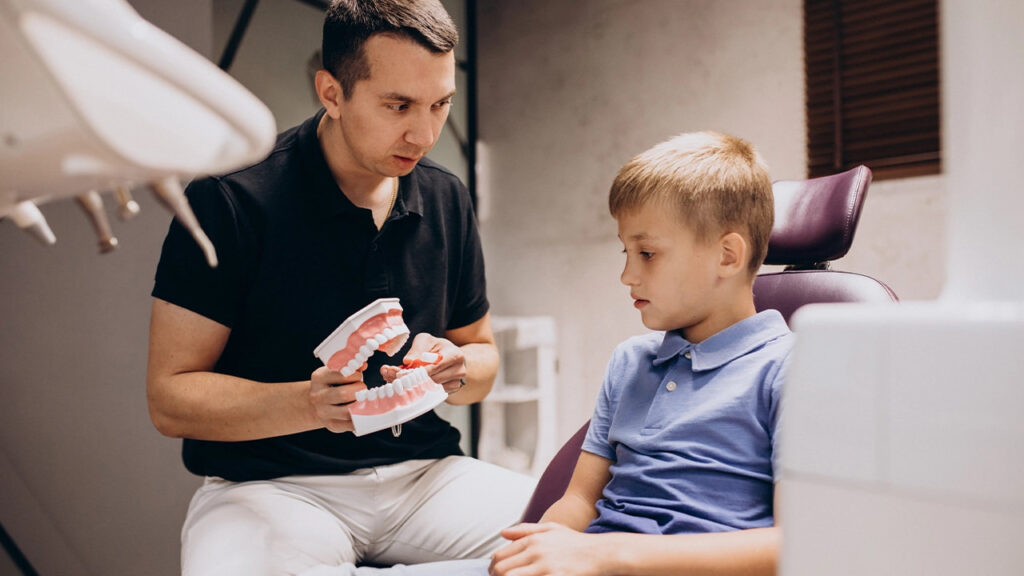
Sedation is not necessary for every child, but it can make dental care calmer and more manageable for children who struggle with fear, movement, sensory overload, or longer procedures.
A dentist will consider the child’s medical history, age, behavior, and treatment needs before recommending sedation dentistry for kids.
Children who may benefit include:
- Children with severe dental anxiety: Sedation may help reduce fear and make treatment feel less overwhelming.
- Children with autism: Sensory sensitivities, communication differences, or difficulty adjusting to unfamiliar environments can make dental visits challenging.
- Children with ADHD: Some children may find it difficult to remain still or follow instructions during longer procedures.
- Children with sensory processing difficulties: Bright lights, unfamiliar sounds, smells, tastes, or physical sensations may cause distress.
- Children with special healthcare needs: Dental sedation for special needs may be considered when a medical, developmental, cognitive, or behavioral condition affects treatment.
- Children with a strong gag reflex: Sedation may help reduce sensitivity that interferes with dental care.
- Very young children: These patients may not yet be able to cooperate during necessary treatment.
- Children needing extensive dental work: Sedation may help complete longer or multiple procedures more comfortably.
Parents can contact Charm Dental Care about their child’s comfort needs before the appointment. The dental team can review the child’s history and explain whether sedation or another behavior-guidance approach may be suitable.
Related Read: Who Can Benefit From Sedation Dentistry?

Types of Sedation Used for Children
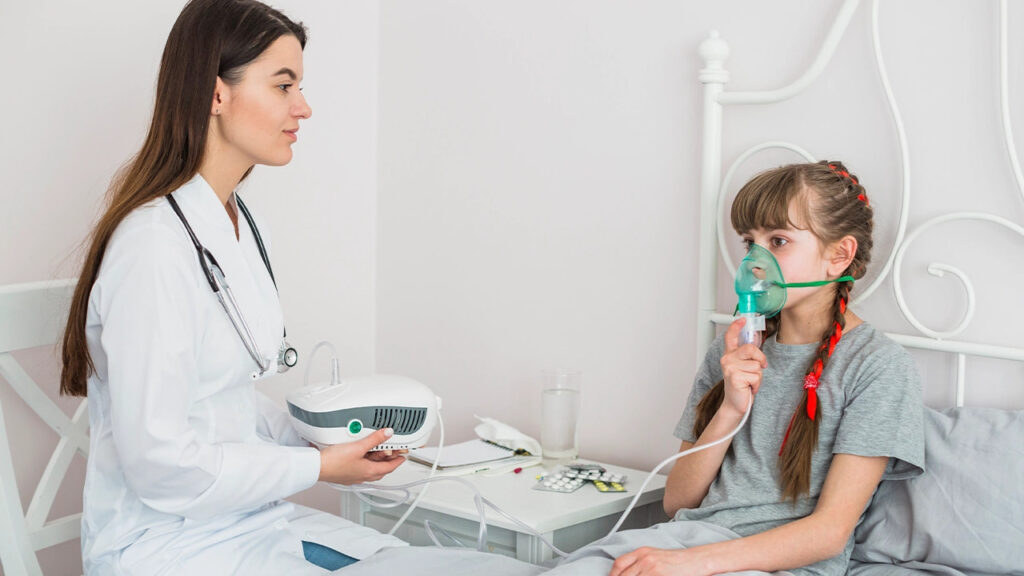
The right type of sedation depends on the child’s age, medical history, anxiety level, ability to cooperate, and the amount of dental treatment required.
Before treatment, parents can review accepted dental insurance plans and discuss whether sedation benefits are included in their coverage.
1. Nitrous Oxide, or Laughing Gas, for Kids
- Laughing gas for kids is a mild form of sedation delivered through a small mask placed over the nose. The child breathes a controlled mixture of nitrous oxide and oxygen while remaining awake and able to communicate.
- How it works: Nitrous oxide helps reduce anxiety and creates a calm, relaxed feeling. Local anesthesia may still be used to numb the treatment area.
- Recovery: The effects usually wear off quickly after the gas is stopped and oxygen is given. Many children can return to normal activities shortly afterward, depending on the dentist’s instructions.
- Best suited for: Children with mild to moderate dental anxiety who can breathe comfortably through their nose and accept the nasal mask.
2. Oral Conscious Sedation
Oral conscious sedation involves giving the child prescribed medication by mouth before treatment. The child usually becomes drowsy and relaxed but may still respond to voices and simple instructions.
- How it works: The medication is selected according to the child’s health, weight, anxiety level, and treatment needs. Local anesthesia may also be used for pain control.
- Recovery: Sleepiness, reduced coordination, or irritability may continue for several hours. A responsible adult must closely supervise the child after the appointment.
- Best suited for: Children with moderate anxiety, difficulty cooperating, or treatment needs that cannot be managed with nitrous oxide alone.
3. IV Sedation
IV sedation is administered directly into a vein and allows the sedation provider to adjust the medication throughout the procedure.
It may create a deeper level of relaxation than inhaled or oral sedation.
- How it works: Medication is delivered through an intravenous line while the child’s breathing, oxygen level, heart rate, and responsiveness are closely monitored.
- Recovery: Children may remain sleepy or unsteady for several hours and should be supervised for the rest of the day.
- Best suited for: Children with severe anxiety, special healthcare needs, or extensive dental treatment when lighter sedation options may not be enough.
Because sedation fees can vary by treatment method and duration, families may also explore flexible dental payment options before finalizing the care plan.
The dental or anesthesia provider will recommend the lowest effective level of sedation based on the child’s health, anxiety, ability to cooperate, and treatment needs.
Is Sedation Dentistry Safe for Children?
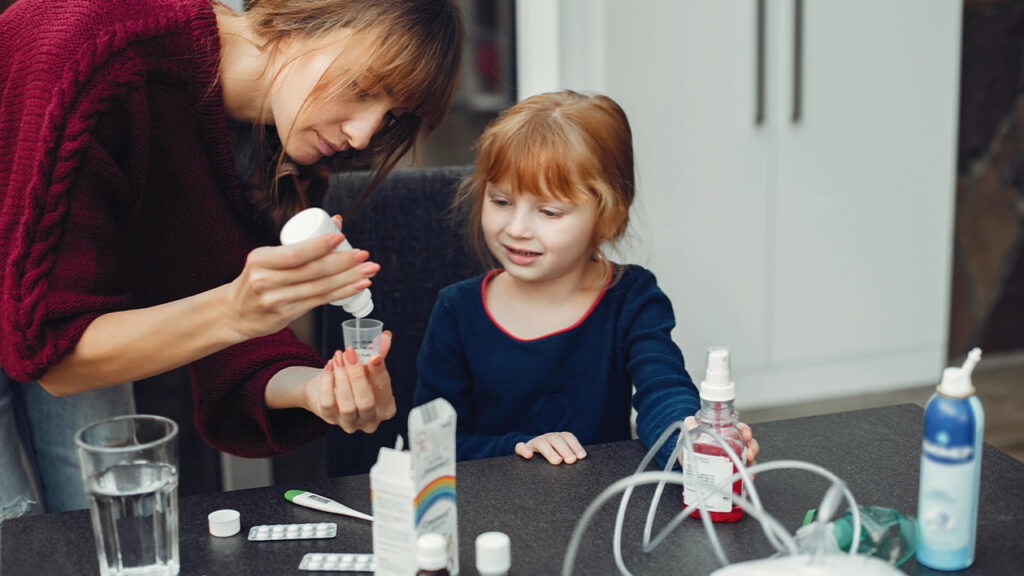
When provided by trained professionals and properly monitored, sedation dentistry for kids can be a safe option for many children.
However, every child must be evaluated individually because medical conditions, medications, age, weight, breathing concerns, and treatment needs can affect the recommended sedation method.
Parents who want to feel more informed before their child’s appointment can read “What Is the Safest Sedation for Children?” to learn about commonly used sedation options, safety checks, and the factors dentists consider when recommending treatment.
Parents should share their child’s complete health history before treatment, including allergies, current medications, previous reactions to sedation, recent illnesses, and any conditions that affect breathing or sleep.
Key Safety Measures Used During Pediatric Sedation
- Medical history review: The dental team checks for health conditions, allergies, medication use, recent illnesses, and previous reactions to sedation or anesthesia.
- Weight-based medication planning: Sedation medication is carefully selected based on the child’s size, health, and the required level of relaxation.
- Pre-treatment assessment: The dentist reviews the child’s airway, breathing, overall health, and ability to tolerate the planned procedure.
- Continuous monitoring: Oxygen level, breathing, heart rate, blood pressure, and responsiveness may be monitored according to the sedation level.
- Trained dental professionals: The team must be prepared to recognize changes in the child’s condition and respond appropriately.
- Recovery supervision: Children remain under observation until they are alert enough to leave safely.
Before treatment, parents can review our current dental offers and savings while planning their child’s recommended care.
No sedation method is completely risk-free, so parents should follow all preparation instructions carefully and ask questions about the planned sedation level, monitoring process, possible side effects, and recovery expectations.
How Parents Can Prepare Their Child for Dental Sedation

Good preparation can make pediatric sedation dentistry safer and less stressful for both children and parents.
The dental team will provide instructions based on the planned type of sedation, so families should follow them carefully rather than relying on general advice.
Before the Appointment
- Follow fasting instructions exactly: Some forms of sedation require children to avoid food or drinks for a specific period. These instructions vary, so parents should confirm them directly with the dental team.
- Share the complete medical history: Tell the dentist about allergies, current medications, health conditions, previous reactions to anesthesia, breathing concerns, and any recent illness.
- Report colds or congestion: A cough, fever, stuffy nose, or breathing problem may affect whether treatment can proceed safely.
- Choose comfortable clothing: Loose-fitting clothes can make monitoring easier and help the child stay comfortable during recovery.
- Use simple, reassuring language: Explain that the dental team will help them feel calm. Avoid using frightening words or promising that they will feel nothing.
- Bring a familiar comfort item: A small toy, blanket, or sensory aid may help children with anxiety or special healthcare needs feel more secure.
- Plan transportation and supervision: A responsible adult should drive the child home and remain with them after treatment.
Parents can schedule a child-focused dental consultation to discuss anxiety, sensory triggers, medications, and preparation instructions before the procedure.
Clear communication and careful preparation help the dental team create a safer, more personalized experience for children receiving sedation.
Related Read: Tips to Prepare Kids for Their First Visit to the Dentist

What Happens During Recovery After Dental Sedation?

Recovery depends on the type of sedation used, the length of treatment, and how the child responds to the medication.
Some children recover quickly after nitrous oxide, while oral or IV sedation may cause sleepiness, dizziness, or reduced coordination for several hours.
Parents should follow the dental team’s discharge instructions carefully and keep the child under close supervision.
Families can also review the Charm Dental Care membership plan when arranging future preventive visits and follow-up care.
| What Parents May Notice | What Parents Should Do |
| Sleepiness | Allow the child to rest in a quiet space while an adult remains nearby. |
| Dizziness or poor balance | Help the child walk and prevent running, climbing, or unsupervised activity. |
| Numb lips, cheeks, or tongue | Avoid chewing until normal sensation returns to prevent accidental biting. |
| Mild nausea | Offer fluids and light food only when advised by the dental team. |
| Reduced appetite | Start with soft, easy-to-eat foods once the child is ready. |
| Irritability or mood changes | Keep the environment calm and allow the medication time to wear off. |
Children should avoid school, sports, cycling, swimming, and strenuous activity until they are fully alert and the dentist says normal activities can resume.
Parents can explore the Charm Dental Care patient video gallery to become more familiar with the practice before future visits.
Parents should contact the dental office promptly if their child develops repeated vomiting, worsening pain, unusual swelling, or remains excessively drowsy. Seek urgent medical help if the child has difficulty breathing, develops blue or gray lips, or cannot be awakened normally.
Why Parents Choose Charm Dental Care for Sedation Dentistry

Choosing a dental office for an anxious child or a patient with special healthcare needs requires trust, patience, and clear communication.
Charm Dental Care focuses on making dental visits feel calmer while helping parents understand each stage of care.
- Child-friendly environment: A welcoming setting can help reduce fear before treatment begins. Parents can view Charm Dental Care’s office and patient gallery to become more familiar with the practice before the visit.
- Gentle, patient approach: The dental team takes time to understand each child’s anxiety, sensory triggers, communication style, and comfort needs.
- Personalized treatment planning: Recommendations are based on the child’s medical history, age, behavior, and required dental treatment.
- Clear guidance for parents: Families receive instructions about preparation, fasting, medication, monitoring, and recovery.
- Support for special healthcare needs: The team can discuss suitable accommodations for children with autism, ADHD, sensory sensitivities, or developmental conditions.
- Preventive and restorative care: Children can receive routine exams, professional cleanings, cavity care, and other necessary treatments in one practice.
- Helpful oral health guidance: Families can follow Charm Dental Care social media for dental tips and practice updates that support healthier habits between appointments.
- Multiple convenient locations: Charm Dental Care serves families through offices in Spring, Katy, Richmond, and Humble.
A personalized consultation can help parents understand whether sedation dentistry for kids may be appropriate and which option could provide the safest, most comfortable experience.

You Might Also Like
- What Pill Do Dentists Use for Sedation?
- Anxiety-Free Experience Provided by Sedation Dentistry to Anxious Patients
- Sedation Dentistry Makes You Comfortable in the Dentist’s Chair
Helping Your Child Feel Safer at the Dentist
Dental anxiety, sensory sensitivities, autism, ADHD, or difficulty sitting still should not prevent a child from receiving necessary care. Sedation dentistry for kids can help make treatment calmer and more manageable when standard comfort techniques are not enough.
The right option depends on the child’s age, medical history, anxiety level, developmental needs, and planned procedure. A careful evaluation is essential because sedation is never a one-size-fits-all solution.
Parents who are concerned about their child’s dental fear or special healthcare needs can contact Charm Dental Care to discuss suitable comfort options. Early planning can help create a safer, more positive dental experience for both children and families.
FAQs (Frequently Asked Questions)
Q1.Is Laughing Gas Safe For Kids?
Yes, laughing gas for kids is widely used to help reduce mild to moderate dental anxiety. The child breathes a controlled mixture of nitrous oxide and oxygen through a small nasal mask while remaining awake and able to respond. The effects usually wear off quickly once the gas is stopped. The dentist will first review the child’s health, breathing, and treatment needs to confirm whether nitrous oxide is suitable for them.
Q2.Will My Child Be Asleep During Dental Sedation?
Not always. With nitrous oxide or lighter forms of conscious sedation, children usually remain awake but feel calmer and less aware of the procedure. Deeper sedation can make a child very sleepy, while general anesthesia causes full unconsciousness. Parents should ask the dentist which sedation level is being recommended.
Q3.Can Children With Autism Receive Dental Sedation?
Some children with autism may benefit from dental sedation for special needs, especially when sensory sensitivities, communication differences, anxiety, or difficulty remaining still make treatment challenging. The dentist will review the child’s medical history, sensory triggers, medications, and individual needs before recommending any sedation option.
Q4.How Long Does Dental Sedation Last?
The duration depends on the type of medication used. Nitrous oxide for children usually wears off within minutes, while oral or IV sedation may cause drowsiness for several hours. Parents should supervise the child closely and follow all recovery instructions provided by the dental team.
Q5.Is Sedation Dentistry Covered By Dental Insurance?
Coverage varies by insurance provider, treatment type, sedation method, and whether the service is considered medically necessary. Some plans may cover part of the cost, while others may require preauthorization. Parents should review the dental insurance plans accepted by Charm Dental Care and confirm their individual benefits before treatment.