Many people know that sleep apnea is often treated with CPAP, but fewer realize that some patients may also benefit from a dentist-provided oral appliance.
For people who struggle with a mask at night or want a more practical option, this can be an important part of the conversation. Because obstructive sleep apnea affects breathing during sleep, treatment should always be taken seriously and guided properly.
In this blog, we will look at how dentists fit into sleep apnea care, how oral appliances work, who may be a good candidate, and what Houston-area patients should know before asking about this treatment option.
Key Takeaways
- Sleep apnea affects breathing during sleep, and dentists may help some patients through custom oral appliance treatment.
- CPAP and oral appliances work differently, and the right option depends on the diagnosis, severity, and patient comfort.
- A dental sleep apnea appliance is usually considered for patients who may benefit from a CPAP alternative, especially in mild-to-moderate cases.
- A proper sleep study and medical evaluation are still important before starting appliance-based treatment.
- Custom oral appliances differ from store-bought mouthpieces and require proper fitting and follow-up.
- Cost, insurance coverage, and long-term comfort are all important parts of the decision.
- The best next step is a professional evaluation to see whether an oral appliance is suitable for your specific case.
Table of Contents
What Is Sleep Apnea, and Why Do Dentists Care About It
Sleep apnea is a condition in which breathing repeatedly stops or becomes limited during sleep. The most common type is obstructive sleep apnea, which happens when the airway becomes blocked or narrowed while you are asleep.
This can lead to loud snoring, restless sleep, daytime tiredness, morning headaches, and other health concerns if it is left unmanaged.
Dentists care about sleep apnea because the mouth, jaw position, tongue space, and airway all play a role in how breathing works during sleep. In some cases, a custom dental appliance can help support the airway by changing how the lower jaw sits at night.
Read More: Why Dental Problems Rarely Hurt When They First Start
CPAP Vs Dental Oral Appliances: Basic Differences
Both treatments are used to help manage sleep apnea, but they work in very different ways.
| Treatment | How It Works | What It Feels Like |
|---|---|---|
| CPAP | Uses air pressure through a mask to help keep the airway open during sleep | More equipment, mask-based, often less convenient for some patients |
| Dental oral appliance | Repositions the jaw or oral structures to help support a more open airway | Smaller, worn inside the mouth, often compared to a sleep apnea mouthpiece |
A simple way to understand CPAP vs oral appliance is this. CPAP uses airflow from a machine, while a dental appliance works inside the mouth during sleep.
Some patients do very well with CPAP, while others ask about an appliance because they want a different experience at night.
If you are wondering which option may be more suitable, it helps to contact the office and ask what kind of evaluation may be needed first.
Read More: Night Guard vs Retainer: What’s the Difference
How Sleep Apnea Oral Appliances Work?
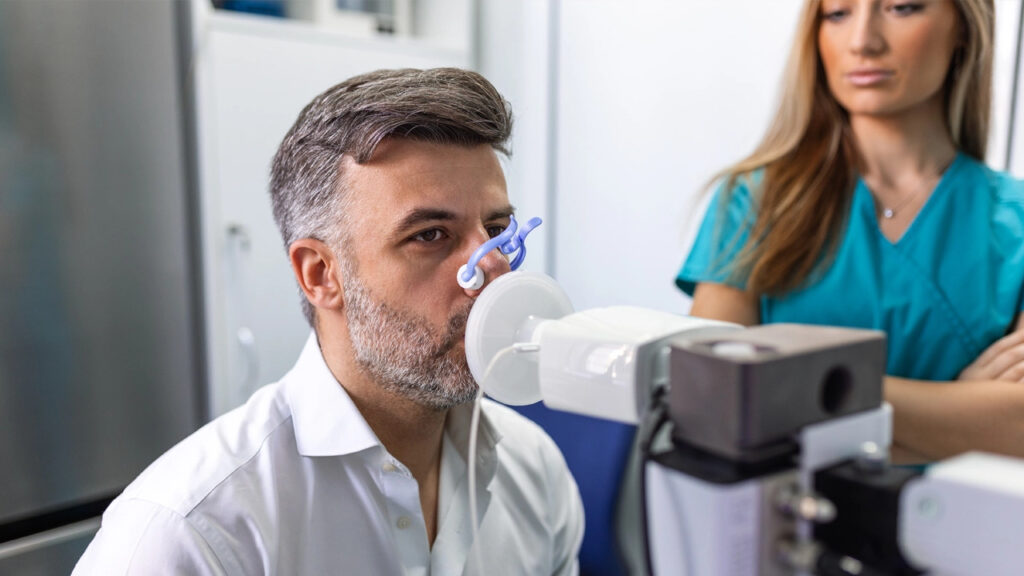
A sleep apnea oral appliance is designed to help keep the airway more open while you sleep.
1. They Are Worn Inside The Mouth At Night
These appliances fit over the teeth and are worn during sleep, much like a custom dental device. They are not the same as a store-bought guard or a generic mouthpiece.
2. Many Work By Moving The Lower Jaw Forward
A common type is called a mandibular advancement device. It works by gently moving the lower jaw forward, which can help reduce airway blockage in some patients with obstructive sleep apnea.
They are custom-made for the patient
A sleep apnea dental device is usually made to fit your mouth more precisely, which matters for comfort and support.
That is one reason patients need a proper evaluation instead of choosing a one-size-fits-all option on their own.
Follow Up Matters Too
The appliance may need adjustments over time to fit well and work as intended.
That is why this kind of treatment is usually guided through ongoing dental follow-up rather than treated like a one-time purchase.

Who Is A Good Candidate For Dental Sleep Apnea Treatment?
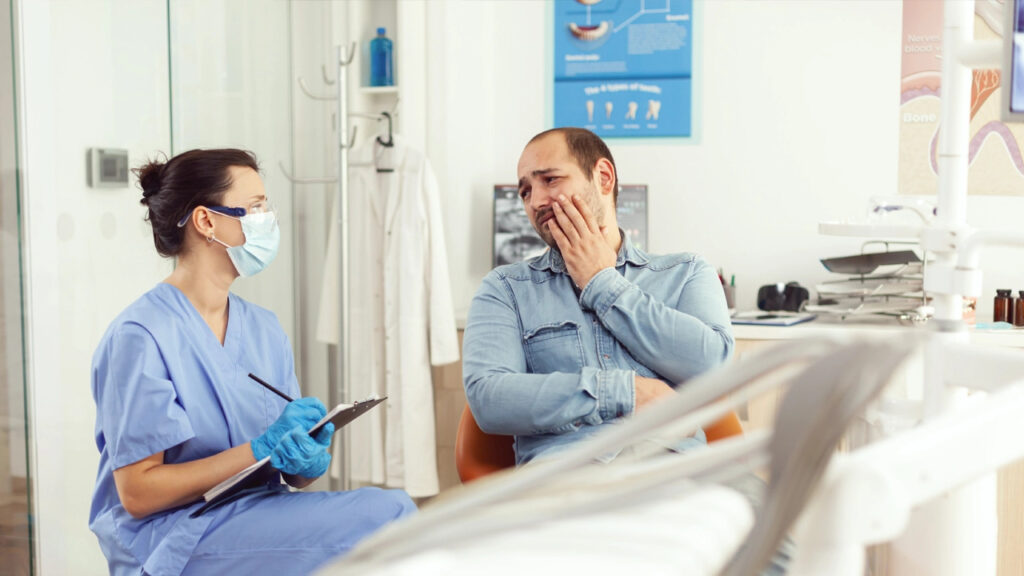
Not every patient with sleep apnea is treated the same way, which is why proper evaluation matters before choosing an oral appliance.
1. Patients With Mild To Moderate Cases May Be Good Candidates
A dental appliance is often discussed as part of treatment for mild sleep apnea, especially when the airway problem is related to how the jaw and oral structures position during sleep.
2.It May Help People Looking For A CPAP Alternative
Some patients ask about treatment because they struggle to sleep comfortably with a mask. In those cases, a custom appliance may be considered as a CPAP alternative, depending on the diagnosis and the severity of the condition.
3. Some Patients May Need A Different Approach
Oral appliances are not the best fit for everyone. Some people may need another form of treatment, more medical evaluation, or a different plan based on their airway needs and overall condition.
A Local Evaluation Makes The Next Step Clearer
The best way to know whether this approach fits your situation is to ask a provider who can review your symptoms, diagnosis, and oral anatomy.
Charm Dental Care Humble
Patients exploring care in the wider Houston area can also consider Charm Dental Care’s Humble location when deciding where to start.
Read More: Who Can Benefit From Sedation Dentistry
What To Expect When You Ask Your Dentist About Sleep Apnea
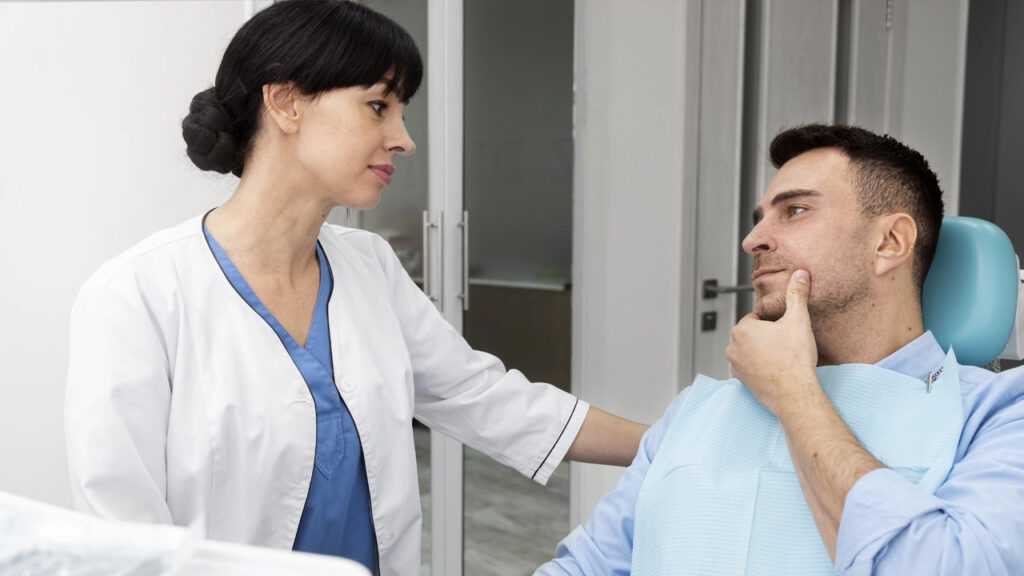
If you bring up sleep apnea during a dental visit, the discussion usually starts with a few basic questions and then moves into whether an oral appliance may be appropriate for you.
| Part Of The Visit | What Usually Happens | Why It Matters |
|---|---|---|
| Symptom discussion | You may be asked about snoring, tiredness, poor sleep, or an existing diagnosis | Helps the dentist understand why you are asking about treatment |
| Sleep history review | The dentist may ask whether you have had a sleep study or physician evaluation | Oral appliance care is usually guided by a confirmed diagnosis |
| Mouth and jaw exam | Your teeth, bite, jaw position, and oral structures may be checked | This helps assess whether a dental appliance may fit and function well |
| Appliance discussion | The dentist explains whether a sleep apnea dental device may be suitable | Helps you understand if this is a realistic treatment path |
| Next steps | You may be guided on impressions, fitting, and follow-up if treatment moves ahead | Shows how the process works from evaluation to use |
A proper consultation matters because the dental sleep medicine that Houston patients ask about is not just about getting a mouthpiece.
It is about making sure the treatment matches your diagnosis, oral anatomy, and comfort needs. If you want to ask about the process directly, you can contact Charm Dental Care.
Benefits And Drawbacks Of Oral Appliances Vs CPAP
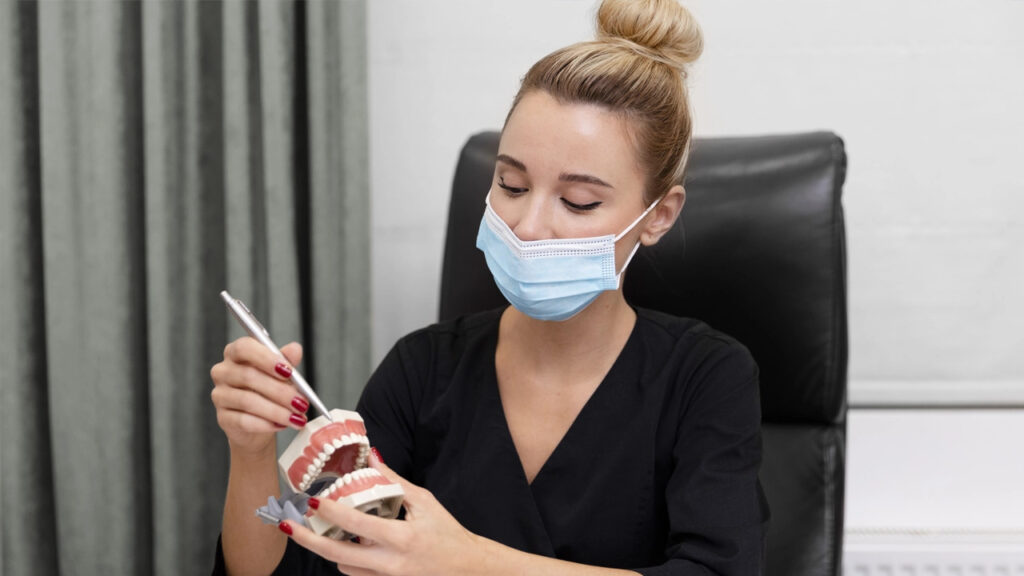
Choosing between these two options often comes down to comfort, lifestyle, and what your diagnosis supports.
Where Oral Appliances Often Feel Easier
- Smaller to wear at night: Many patients prefer a compact device over a mask and machine setup.
- Easier for travel: A dental appliance is simpler to carry and use away from home.
- Quieter during sleep: There is no machine noise, which some patients appreciate.
Where CPAP May Still Be Preferred
- Often recommended more strongly in certain cases: Some patients need a treatment approach that provides more airway support.
- Not every patient will respond the same to an appliance: A CPAP alternative can work well for some people, but not for everyone.
- Adjustment is still needed: Even a dental device may take time to get used to and may need follow-up changes.
The Main Difference In Daily Life
When patients compare CPAP vs. an oral appliance, the biggest difference is often how each feels to live with every night. Some Houston-area patients may prefer the simplicity of an oral appliance, while others may do better with CPAP because it suits their treatment needs more effectively.
Charm Dental Care Katy
Patients looking for care in the area can also explore Charm Dental Care’s Katy location when planning the next step.

Insurance And Costs For Sleep Apnea Oral Appliances
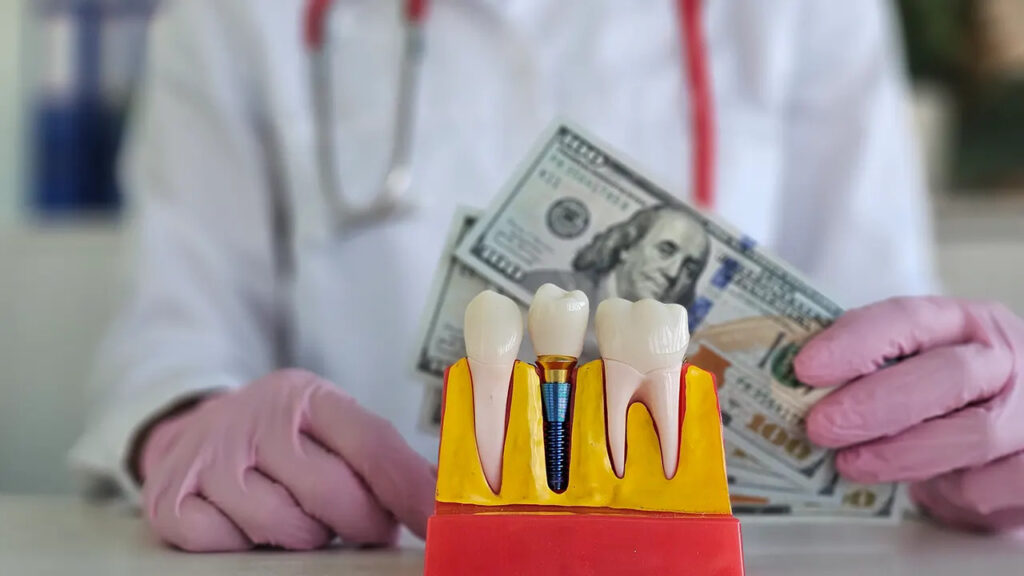
Cost and coverage are often factors in the decision, especially when patients compare an oral appliance with other sleep apnea treatment options.
| Cost Or Coverage Factor | What Patients Should Know |
|---|---|
| Type of appliance | A custom device will cost more than a basic store bought mouthpiece because it is made for your bite and fit |
| Diagnosis and records | Coverage often depends on whether there is a confirmed sleep apnea diagnosis and supporting documentation |
| Insurance type | Some patients may need to check whether medical or dental benefits apply to the appliance |
| Treatment complexity | The total sleep apnea oral appliance cost can vary based on the device, adjustments, and follow-up care |
| Out of pocket planning | Even with benefits, patients may still need to plan for part of the expense themselves |
A custom appliance is not the same as buying a general sleep apnea mouthpiece online. It is usually part of a more guided treatment process, which is why cost can vary from one patient to another.
If you are trying to understand oral appliance insurance coverage, it helps to review Charm Dental Care’s dental insurance options as you plan your next step.
Why Choose Charm Dental Care For Sleep Apnea Appliance Guidance?
When you are considering a sleep apnea oral appliance, it helps to speak with a dental team at Charm Dental Care that can assess comfort, fit, and next steps in a practical way.
1. Personal Guidance Matters
Not every patient asking about a CPAP alternative needs the same approach. Some may be good candidates for an oral appliance, while others may need a different direction based on their diagnosis, symptoms, and oral anatomy.
2. Comfort And Fit Need Proper Attention
A sleep apnea dental device is not a one-size-fits-all product. It needs to be evaluated carefully so the appliance fits well, feels manageable, and supports treatment goals over time.
3. Planning The Next Step Feels Easier With Support
For many patients, the process feels less overwhelming when they can ask questions clearly and understand what comes next. Charm Dental Care also offers a membership plan and practical support pages that can help patients plan care with more confidence.

You Might Also Like
- How Does Sedation Dentistry Actually Feel
- Your Guide to Oral Health with Dentist in Katy
- Your Complete Guide to Dental Care in Richmond TX
Conclusion
Not every patient with sleep apnea will need the same kind of treatment, which is why it is important to look at both the diagnosis and how well a treatment option fits into daily life. For some people, CPAP remains the right choice. For others, a custom oral appliance may feel more practical, more comfortable, and easier to use consistently.
The key is getting clear guidance before choosing a direction. If you have been struggling with CPAP or want to know whether a dental appliance could suit your needs, ask about sleep apnea oral appliances at Charm Dental Care and take the next step with more confidence.
FAQs (Frequently Asked Questions)
Q1.What Are Common Signs Of Sleep Apnea?
Common signs of sleep apnea include loud snoring, choking or gasping during sleep, daytime tiredness, morning headaches, dry mouth, and poor sleep quality. Some people also notice trouble concentrating or feeling unusually sleepy during the day.
Q2.Are Oral Appliances As Effective As CPAP?
It depends on the patient and the severity of the condition. When comparing CPAP vs oral appliance, CPAP may be more suitable in some cases, while oral appliances can work well for others who are good candidates.
Q3.How Does A Dental Appliance Stop Snoring Or Apnea?
A sleep apnea dental device helps by supporting a more open airway during sleep. Many work by moving the lower jaw slightly forward, which can reduce airway blockage and improve airflow.
Q4.Can I Use An Oral Appliance If I Have Severe Sleep Apnea?
Some patients with severe obstructive sleep apnea may need a different treatment approach or closer medical guidance. The best option depends on your diagnosis, symptoms, and your provider’s recommendations.
Q5. Do I Still Need A Sleep Study If I Use An Oral Appliance?
Yes, a sleep study is still important because it helps confirm the diagnosis and shows how serious the condition is. Oral appliance treatment is usually planned after proper evaluation, not instead of it.
Q6.Is An Oral Appliance More Comfortable Than CPAP?
Many patients feel that an oral appliance is easier to wear because it is smaller and does not involve a mask or machine. However, comfort can vary, and some people still do better with CPAP.
Q7.Does Medical Insurance Cover Dental Sleep Apnea Devices?
Coverage can be possible, but it depends on your diagnosis, plan details, and whether medical benefits apply. In many cases, oral appliance insurance coverage becomes easier to understand after a consultation and a review of documentation.
Q8.Can A Dentist Diagnose Sleep Apnea?
A dentist may notice signs of sleep apnea, but a diagnosis usually requires a sleep study and a medical evaluation. Dentists may help with appliance-based treatment after the condition has been properly identified.
Q9.Is A Night Guard The Same As A Sleep Apnea Appliance?
No, they are not the same. A night guard is usually made to protect the teeth from grinding, while a sleep apnea mouthpiece is designed to help support the airway during sleep.