Many people in the Houston area live with overdue dental work longer than they intended. A small cavity, mild gum bleeding, or a cracked filling does not always feel urgent, so it gets pushed to next month or next year.
Cost concerns, busy schedules, and uncertainty about treatment often lead to delays. If you are searching for a trusted Dentist in Houston, TX, the first step is to understand that postponing care rarely makes it any simpler.
In this blog, we will explain how problems progress, why spring is a practical time to act, and how to use your tax refund strategically to restore your oral health.
Key Takeaways
- Small dental problems do not stay small. They become more serious and cost more over time.
- A simple cavity can turn into a root canal or even tooth loss if ignored.
- Spring is a good time to act, especially when you have a tax refund.
- Your refund can cover a checkup, cleaning, or start bigger treatments.
- A full dental exam gives you a clear plan, costs, and what to fix first.
- Fix urgent problems first. Plan the rest step by step.
- You can combine your refund with insurance and monthly payments.
- Starting now saves time, reduces stress, and prevents bigger issues later.
Table of Contents
How Dental Problems Get More Expensive the Longer You Wait?

It is easy to delay treatment when discomfort feels minor.
However, dental problems get worse over time, and the cost of care often increases as the condition progresses. What starts as a simple fix can develop into a more complex procedure if ignored.
| Small Issue Today | If Ignored | Possible Outcome |
| Small cavity | Decay spreads deeper | Root canal and crown |
| Minor gum inflammation | Gum disease progresses | Deep cleaning or periodontal therapy |
| Worn filling | Tooth weakens | Larger restoration or crown |
| Hairline crack | Fracture expands | Possible extraction |
Addressing issues early often means shorter appointments, lower cost, and less invasive treatment. Waiting rarely saves money. In many cases, it increases both time and expense.
If you are unsure about symptoms or timing, you can always Contact Us for guidance.
Tax Refund Season: Why Spring Is a Smart Time to Tackle Bigger Dental Treatments

For many households, tax season brings a rare opportunity: a lump sum of money that can be used intentionally.
Instead of letting it disappear into routine expenses, some patients choose to apply it to tax-refund dental work that has been delayed for months or even years.
Why a Refund Makes a Difference
- It can cover the cost of a comprehensive exam and initial treatment.
- It may serve as a deposit for more extensive procedures, such as crowns or dental implants.
- It reduces the total amount that needs to be financed.
- It allows multiple smaller issues to be treated at once.
Many patients combine their refund with our Flexible Dental Payment to phase care over time without overwhelming their monthly budget.
Spring also aligns with renewed motivation. Addressing dental concerns now can prevent complications later in the year and restore comfort before summer travel, events, or family gatherings.
What Happens at a Comprehensive Checkup and Treatment Planning Visit in the Houston Area
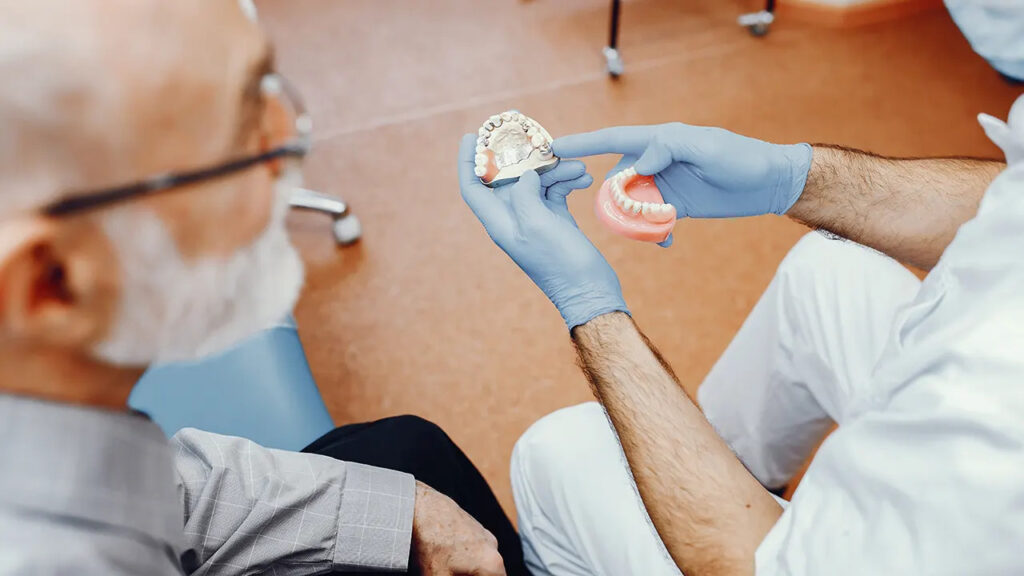
If you have delayed care for a while, the first step is a comprehensive dental exam. This visit is designed to assess your current oral health and develop a clear plan for moving forward.
Step 1: Full Oral Examination
Your dentist evaluates teeth, gums, existing dental restorations, and any areas of concern.
Step 2: Digital X-Rays and Imaging
Images help detect hidden decay, infection, bone loss, or structural damage that may not be visible during a visual exam.
Step 3: Gum Health Assessment
Gum measurements identify inflammation or early signs of periodontal disease.
Step 4: Bite and Functional Review
Your bite alignment and chewing forces are evaluated to prevent future breakdown.
Step 5: Written Treatment Plan
You receive a prioritized plan outlining urgent care, recommended procedures, timeline, and estimated cost.
This visit replaces uncertainty with clarity. Instead of guessing what needs attention, you leave with a structured roadmap.
You can book a Dental Appointment to schedule a full evaluation and begin structured dental treatment planning.
Also Read: 3 Reasons Not to Skip a Dental Checkup

Serving Families Across the Houston Area
Delaying care often comes down to convenience. With multiple locations across the region, you can choose the office closest to home or work and begin your comprehensive exam without added travel stress.
Katy, TX
Charm Dental Care Katy
If you are in West Houston or nearby, you can visit our Dentist in Katy, TX, for a full evaluation and a personalized treatment plan.
Humble, TX
Charm Dental Care Humble
Families in Northeast Houston can schedule an appointment at our dentist’s Humble, TX, office for comprehensive exams, imaging, and structured dental treatment planning.
Spring, TX
Charm Dental Care Spring
Patients living near North Houston can book a visit at our Dentist in Spring, TX, for preventive, restorative, and follow-up care.
Richmond, TX
Charm Dental Care Richmond
Those in Fort Bend County can visit our Dentist in Richmond, TX, office for complete exams and coordinated treatment planning.
All locations follow the same clinical standards and provide detailed, prioritized care plans. Choosing the most convenient office makes it easier to move forward rather than postpone treatment again.
Prioritizing Your Plan: What Needs to Be Fixed Now vs What Can Wait?

Once your exam is complete, the next step in dental treatment planning is deciding what should be addressed immediately and what can be scheduled later.
A structured plan removes guesswork and helps you use your refund strategically. You can learn more about our planning philosophy.
1. Address Immediately
- Active infection or abscess.
- Persistent pain or swelling.
- Broken crowns or fillings exposing the tooth.
- Advanced gum disease.
These issues typically worsen quickly and may lead to higher costs if delayed.
2. Address Within 3–6 Months
- Early-stage cavities.
- Minor gum inflammation.
- Worn restorations that are still functional.
These concerns are manageable but should not be postponed indefinitely.
3. Plan for Later or Optional Care
- Cosmetic whitening.
- Veneers.
- Minor aesthetic adjustments.
By separating urgent needs from optional treatments, you can apply your tax refund wisely while creating a phased strategy for long-term oral health.
Stretching Your Budget: Phasing Treatment, Using Insurance, and Adding Financing

A tax refund can make a strong starting point, but it does not have to cover everything at once.
Smart planning allows you to combine your refund with insurance benefits and available dental financing options to make larger treatment plans manageable.
You can review your coverage details on our Dental Insurance before beginning care.
| Budget Strategy | How It Helps |
| Use refund as deposit | Reduces financed balance |
| Apply insurance benefits | Lowers covered procedure costs |
| Phase treatment over months | Prioritize urgent care first |
| Monthly financing plans | Spreads remaining balance over time |
How Phasing Works?
- Step 1: Address urgent issues such as infection or tooth pain.
- Step 2: Complete restorative treatments, such as crowns or fillings.
- Step 3: Schedule cosmetic or elective care later if desired.
This structured approach allows you to start now without overwhelming your finances. Instead of waiting another year, you can move forward gradually with clarity and control.’

Examples: How Patients Have Used a Single Refund to Transform Their Mouth Over 6–12 Months

Many patients assume a tax refund is not “enough” to make real progress. In reality, even a single refund can create momentum when paired with structured planning.
These tax refund dental stories show how strategic use of a lump sum can improve comfort and confidence within a year.
Case Example 1: $2,200 Refund
A patient used their refund to cover a comprehensive exam, deep cleaning, and two crowns. The remaining minor fillings were phased in over the next three months through monthly payments.
Case Example 2: $3,800 Refund
The refund covered an implant deposit and bone grafting. The remaining balance was scheduled over six months, allowing treatment to proceed without delay.
Case Example 3: $1,600 Refund
A patient addressed multiple cavities and replaced an old, broken filling. Pain resolved quickly, preventing the need for a root canal later.
In each case, the refund acted as a starting point. Structured dental treatment planning turned a temporary financial boost into lasting improvements in oral health.
Why Choose Charm Dental Care for Overdue Dental Work in the Houston Area?
When you finally decide to address overdue dental work, choosing the right provider matters. You want clarity, honest recommendations, and a plan that fits your budget without pressure.
At Charm Dental Care, we focus on structured evaluations and practical solutions rather than overwhelming patients with unnecessary treatment.
If you are searching for a trusted Dentist in Houston, TX, here is what sets our team apart.
1. Clear, Comprehensive Evaluations
Every patient begins with a thorough exam and digital imaging. This ensures your treatment plan is based on an accurate diagnosis, not guesswork.
2. Prioritized Treatment Planning
We separate urgent needs from elective care so you can decide what to handle now and what to phase later.
3. Transparent Cost Breakdown
You receive a written estimate outlining procedures, timelines, and expected costs before starting.
4. Insurance, Membership, and Financing Support
If you do not have insurance, our Dental Membership Plan offers reduced rates for preventive and select restorative treatments, helping you manage your care more predictably.
5. Multiple Convenient Locations
With offices in Spring, Katy, Richmond, and Humble, access to care is easier and more flexible for families across the Houston area.
Choosing Charm Dental Care means choosing clarity, structured planning, and financial options that make it easier to stop postponing necessary care.

You Might Also Like
- Are Dental Expenses Tax Deductible?
- Why Dental Problems Rarely Hurt When They First Start
- How Long Can Dental Problems Stay Silent Before Getting Expensive?
Conclusion: Why This Spring Is a Good Time to Stop Delaying Your Dental Work
Putting off care often feels easier in the short term, but small concerns rarely resolve on their own. When dental problems get worse, treatment becomes more complex, more expensive, and more stressful. Spring offers a natural reset. With tax refund season creating financial flexibility, this is an opportunity to finally address overdue concerns rather than postpone them again.
A comprehensive evaluation with a trusted Dentist in Houston, TX, provides clarity, not pressure. You will leave with a prioritized treatment plan, transparent cost breakdown, and options that fit your budget. Taking action now can prevent larger issues later and restore comfort, function, and confidence.
FAQs (Frequently Asked Questions)
Q1. Is It Really A Problem If I Keep Delaying Dental Treatment?
Yes. Delaying treatment often allows minor concerns to progress into more serious conditions. What feels manageable today may require more complex care later. Even without pain, untreated decay or gum inflammation can continue advancing. Addressing concerns early usually means simpler procedures, shorter appointments, and lower overall cost.
Q2. Can A Small Cavity Really Turn Into A Root Canal Or Extraction?
A small cavity begins in the outer enamel layer. If left untreated, bacteria can penetrate deeper into the dentin and eventually reach the pulp, where nerves and blood supply are located. At that stage, a filling may no longer be sufficient, and a root canal or even extraction may be necessary. Early intervention prevents this escalation.
Q3. Should I Use My Tax Refund On Dental Work?
Using a refund for dental care can be a practical investment in long-term health. Instead of postponing treatment again, applying a lump sum toward overdue care reduces future risk and often lowers overall expense. Many patients choose to combine their refund with phased treatment planning to maximize its impact.
Q4. What Is Included In A Full Dental Checkup And Exam?
A comprehensive visit typically includes a full oral examination, digital X-rays, gum health measurements, and evaluation of existing restorations. Your dentist assesses cavities, cracks, bone levels, and bite alignment. After gathering this information, a structured treatment plan is created outlining priorities, estimated costs, and recommended timelines.
Q5. How Do I Know Which Dental Problems To Fix First?
Prioritization depends on risk and urgency. Infections, pain, or structural damage usually come first. Conditions that could worsen quickly are addressed before cosmetic concerns. A detailed exam allows your dentist to rank procedures by urgency so you can make informed financial and health decisions.
Q6. How Can I Spread Out The Cost Of My Dental Treatment?
You can combine insurance benefits, phased scheduling, and available dental financing options to manage cost over time. Some patients use their refund as a deposit and finance the remaining balance monthly. Structured planning allows you to begin treatment without overwhelming your budget.
Q7. Can One Refund Really Make A Big Difference In My Smile?
Yes. Even a modest refund can cover an exam, deep cleaning, or several fillings. It may also serve as a starting deposit for larger procedures. Progress, even if phased over months, reduces risk and builds momentum toward long-term oral health.