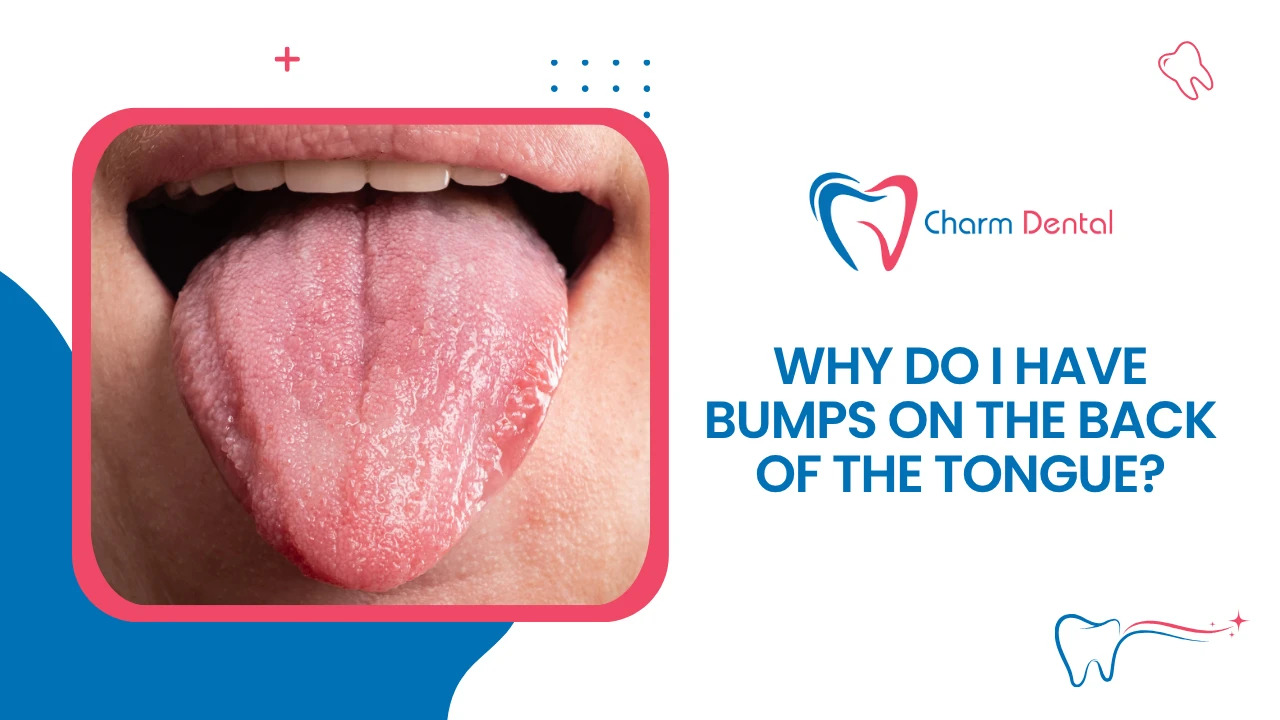
Have you noticed bumps on the back of the tongue or small red bumps on the back of the tongue that won’t go away? You’re not alone; it’s one of the most common oral concerns patients ask about.
In most cases, these bumps are harmless and part of your normal tongue anatomy; however, they can sometimes signal irritation, gum infection, or an allergic reaction. Understanding what causes them helps you know when to relax and when to seek help.
In this blog, we’ll explain the common reasons behind tongue bumps and how to treat them safely at home or with your dentist.
Key Takeaways
- Small bumps on the back of the tongue are usually normal papillae, but changes in color, size, or pain may need a dentist’s attention.
- Red or white bumps often appear due to irritation, spicy foods, or mild infections and usually heal within a few days.
- White coatings or patches may indicate oral thrush or a yeast infection and may require professional care.
- Home remedies, such as warm saltwater rinses and gentle tongue cleaning, can help reduce discomfort naturally.
- If bumps last longer than two weeks or cause pain or swelling, it’s best to schedule a checkup at Charm Dental Care for safe, gentle treatment.
Table of Contents
What Are the Bumps on the Back of the Tongue?

The small bumps on the back of your tongue are called papillae, and they’re completely normal. Some of these papillae contain taste buds.
There are three main types of papillae: circumvallate, fungiform, and foliate, each located in different areas of the tongue.
Sometimes, these papillae can appear larger or feel rough when you’re sick, dehydrated, or have consumed spicy foods.
That doesn’t always mean there’s a problem, but if the bumps stay swollen, painful, or change color, it’s best to have them checked by a dentist.
Also Read– What Causes Dark Spots On the Tongue?

What Do the Bumps’ Colors Mean?
The color of the bumps on your tongue can often reveal what’s happening inside your mouth. While most are harmless, color changes can point to irritation or infection.
1. Red Bumps
- Often caused by irritation, inflammation, or small canker sores.
- Common triggers include spicy foods, mild infections, or accidental bites.
2. White Bumps
- May signal oral thrush, viral irritation, or inflamed taste buds.
- They can look patchy or coated, especially if the mouth is dry or unclean.
3. Swollen Bumps
Swelling on the back of the tongue can come from a few different sources, and it helps to understand what may be causing it.
- Irritation-Related Swelling – Biting the tongue, eating something very hot, or brushing too hard can cause temporary swelling that often improves within a day or two.
- Infection-Related Swelling – A cold, tonsillitis, or strep throat may cause swelling along with a sore throat, fever, or difficulty swallowing.
- Allergic Swelling – Reactions to certain foods, medications, toothpaste, or mouthwash can cause swelling, sometimes with itching or tingling.
Mild swelling that improves within a few days is usually less concerning. Severe swelling, difficulty breathing or swallowing, or swelling that keeps returning should be evaluated promptly.
What Do Tongue Bumps Look Like? (Photos by Type)

The appearance of tongue bumps can sometimes help you understand what may be causing them.
Here are a few common patterns to look for:
1. Inflamed Taste Buds
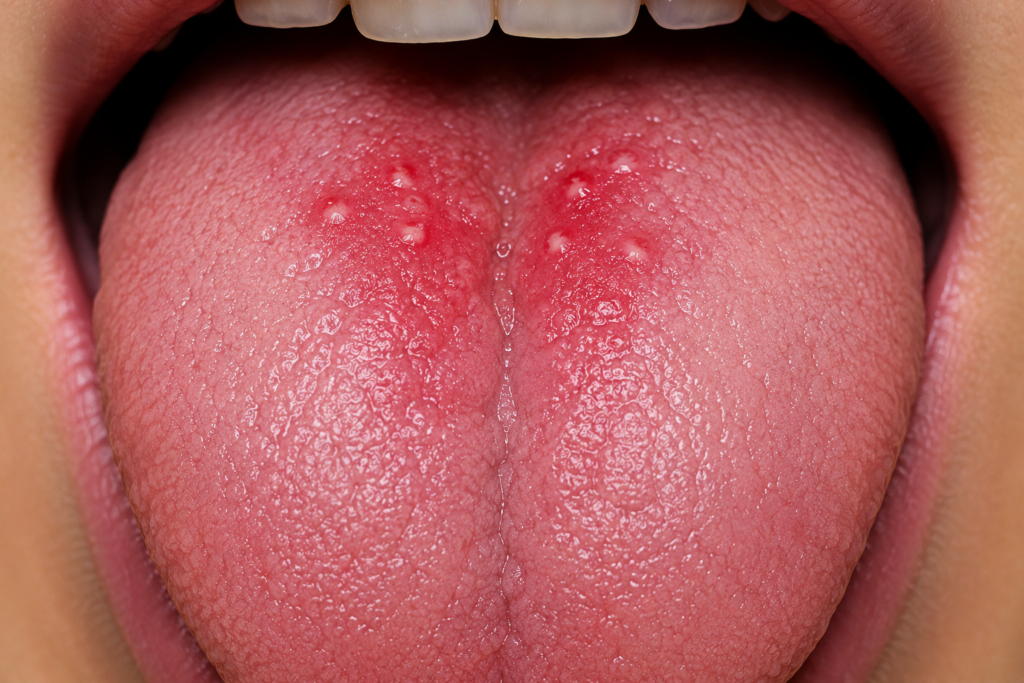
Small, raised red or white bumps that may feel tender or irritated. These are sometimes called “lie bumps” and may appear on different areas of the tongue.
2. Oral Thrush
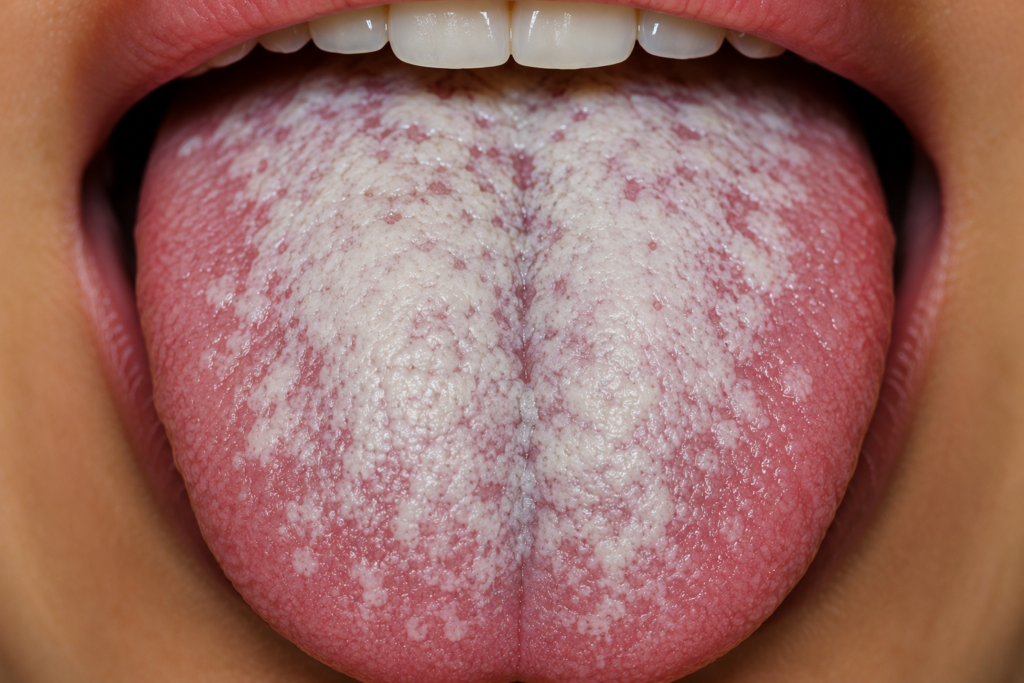
White or cream-colored patches or coating rather than individual bumps. The affected area may look red or irritated underneath.
3. Canker Sores
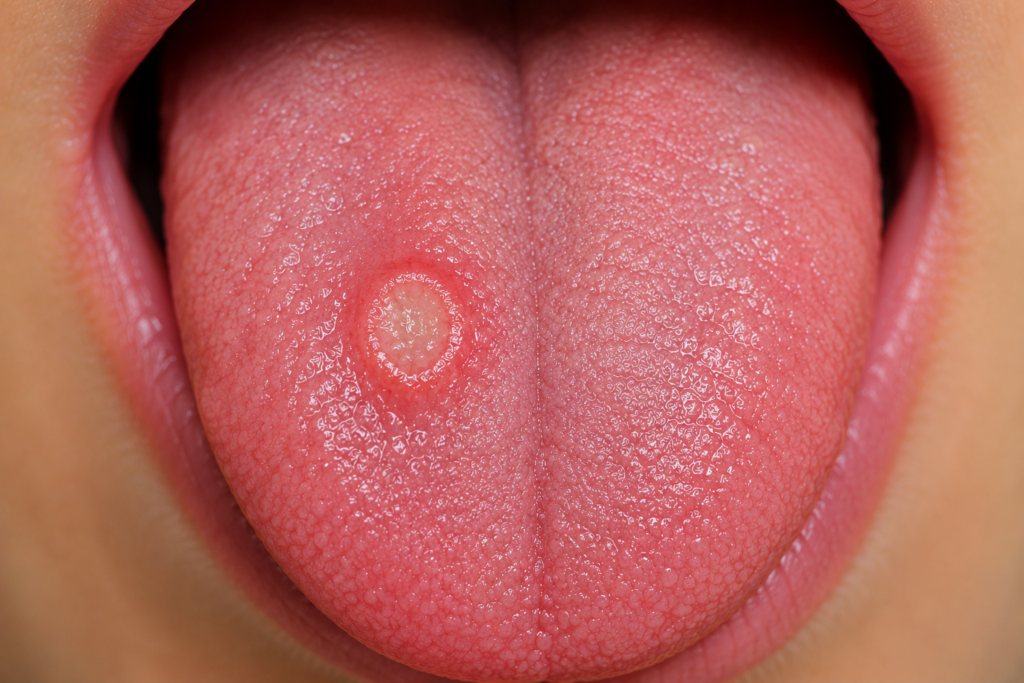
Small, round sores with a white or pale yellow center and a red border. They may feel painful, especially while eating.
4. Enlarged Circumvallate Papillae
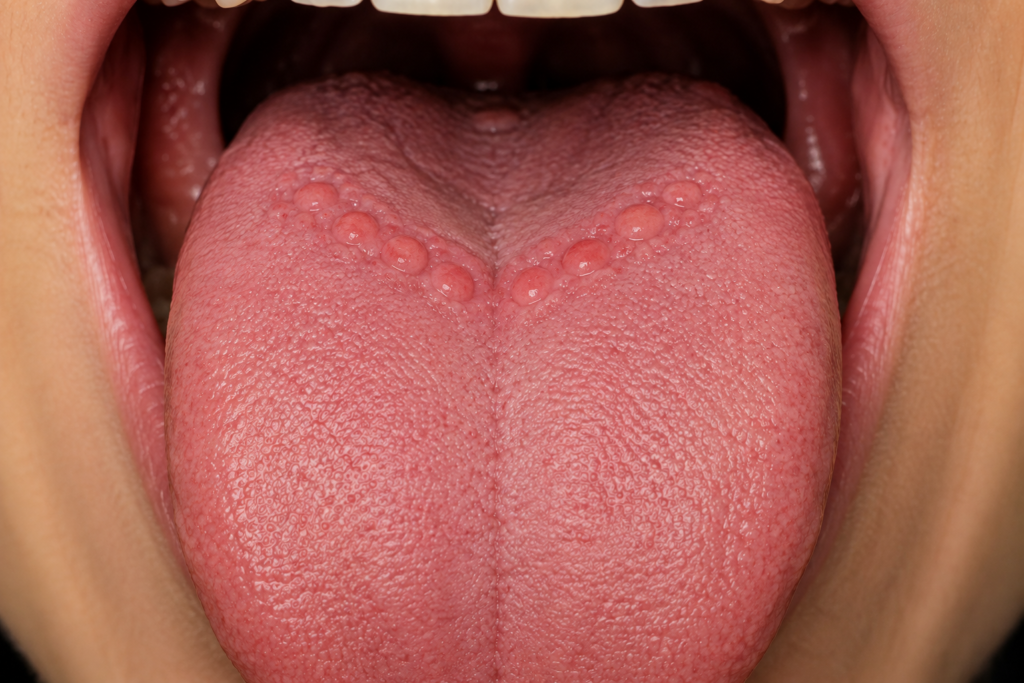
Naturally, larger bumps are arranged in a V-shaped row toward the back of the tongue. They may become more noticeable when irritated or swollen.
5. Allergic or Irritation Bumps
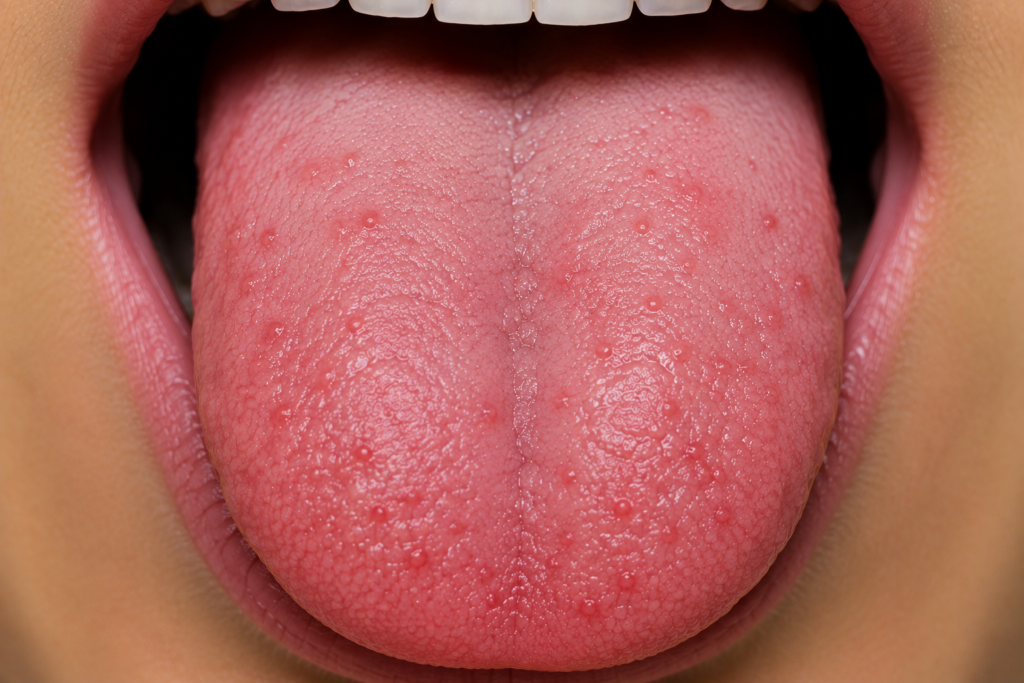
Small swollen areas or patches of redness that may develop after exposure to certain foods, toothpaste, mouthwash, or other irritants.
Note- If what you’re seeing doesn’t match any of these patterns, or looks different from all of them, that’s a good reason to have it looked at in person rather than trying to self-diagnose from photos.
What are the Common Causes of Bumps on the Back of the Tongue?

Bumps on the back of your tongue are common and usually harmless. They often appear because of irritation, infection, or minor injuries.
1. Inflamed Taste Buds (Transient Lingual Papillitis)
These small, red bumps on the back of the tongue appear when taste buds get irritated by spicy foods, hot drinks, or accidental bites. They can feel sore but usually heal on their own within a few days.
2. Oral Infections or Sore Throat
Viral or bacterial infections, such as tonsillitis or strep throat, can cause temporary swelling and soreness at the back of the tongue, often accompanied by a sore throat.
If you’re unsure whether your symptoms are related to a dental problem, a general dental evaluation can help identify oral causes and determine the appropriate next step.
3. Canker Sores or Mouth Ulcers
Round, white bumps on the back of the tongue may develop after experiencing stress, injury, or consuming acidic foods. They can be painful while eating or brushing, but generally disappear naturally.
4. Allergic Reactions or Irritation
Sometimes, your tongue reacts to certain foods, toothpaste, or mouthwash. These tongue irritation bumps usually fade once the trigger is removed.
5. Oral Thrush or Yeast Infection
A white coating or creamy patches on the tongue could be oral thrush, a mild fungal infection. It’s more common after antibiotic use or in people with diabetes.
6. Enlarged Circumvallate Papillae
These are naturally large bumps on the back of the tongue. They can appear more visible when you’re sick, dehydrated, or recovering from a cold.
7. Serious Causes (Rare)
In rare cases, painless lumps that don’t heal could indicate cysts, wart-like bumps on the back of the tongue, or [oral HPV]
If a bump lasts more than two weeks, see your dentist for an evaluation.
Bumps on the Back of the Tongue Near the Throat: Could It Be Your Lingual Tonsils?
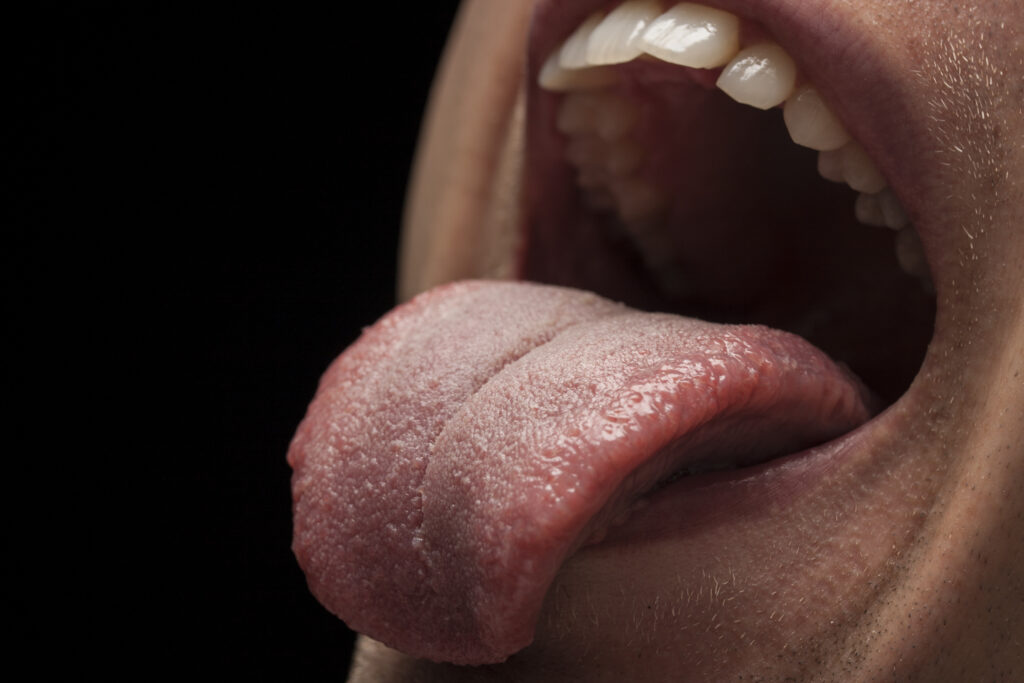
If you notice bumps on the back of the tongue near the throat, they may be lingual tonsils rather than swollen taste buds or papillae.
Lingual tonsils are a normal part of the immune system and sit at the base of the tongue where it meets the throat. They can become more noticeable when your body is responding to irritation or an infection.
Signs that the bumps may be lingual tonsils include:
- Located Near the Throat – The bumps sit at the base of the tongue rather than across the surface.
- Rounder Appearance – They may look more like small lumps than the usual texture of taste buds.
- Throat Symptoms – Swelling may occur with a sore throat, trouble swallowing, or a feeling that something is stuck.
What are the Home Remedies for Bumps on the Tongue?

Most tongue bumps heal on their own with a little care at home. These easy, dentist-approved remedies can help soothe irritation and speed healing.
- Rinse with warm salt water twice a day.
A gentle saltwater rinse for the tongue helps reduce swelling, remove bacteria, and naturally calm soreness. - Avoid spicy, acidic, or very hot foods.
These can irritate your taste buds and make bumps feel more painful. Choose mild, soft foods until your tongue heals. - Keep your tongue clean.
Use a soft toothbrush or tongue scraper to gently remove buildup. This prevents infection and keeps your mouth fresh. - Stay hydrated and practice good oral hygiene.
Drinking plenty of water helps keep your mouth moist and aids in the faster recovery of your tongue.
For affordable, routine dental cleanings that support your oral health, consider our Membership Plan, designed to make preventive care simple and budget-friendly.
Quick Reference: Bump Type, Likely Cause & What to Do
| What It Looks Like | Likely Cause | See a Dentist? |
|---|---|---|
| Small, tender red bumps | Inflamed taste buds (papillitis) | Usually not — often resolves within a few days |
| White, patchy coating | Oral thrush | Yes, if it does not clear within a few days |
| Round white or yellow sore with a red edge | Canker sore | Usually not — unless it lasts more than 2 weeks |
| Large bumps in a V-shape at the very back of the tongue | Enlarged circumvallate papillae | Usually not — these are normal structures |
| Lumps at the base of the tongue near the throat | Lingual tonsil swelling | Yes, if accompanied by a sore throat or trouble swallowing |
| Painless lump that does not heal or go away | Rare causes such as a cyst, wart-like growth, or another condition | Yes — always have it professionally evaluated |

When to Visit Charm Dental Care?
Most bumps on the back of the tongue are harmless and improve on their own. However, persistent or unusual changes should be evaluated by a professional.
If you’re planning a dental evaluation, you can also review the dental insurance plans accepted at Charm Dental Care before scheduling your visit.
Schedule a dental checkup if:
- Bumps Last More Than Two Weeks – Persistent changes should be examined.
- Pain or Swelling Gets Worse – Increasing discomfort may indicate an underlying problem.
- White or Red Patches Persist – Changes that do not clear should be evaluated.
- Bumps Keep Returning – Recurring symptoms may need further investigation.
- You notice an Unusual Lump or sore-especially if it does not heal or continues to change.
If you have severe or rapidly increasing swelling or difficulty breathing or swallowing, seek urgent medical care.
1. Charm Dental Care – Spring, TX
Schedule an evaluation for persistent tongue bumps or other oral health concerns.
2. Charm Dental Care – Katy, TX
Get unusual or ongoing tongue and mouth changes professionally evaluated.
3. Charm Dental Care – Humble, TX
Visit our Humble team if tongue bumps, soreness, or other changes are not improving.
4. Charm Dental Care – Richmond, TX
Schedule a dental evaluation for persistent or unexplained changes in your mouth.
5. Charm Dental Care – Tomball, TX
Have ongoing tongue bumps or other oral concerns checked by our dental team.
You Might Also Like
- What to Do for Tooth Pain or Toothache
- Gum Disease and Your Heart: What You Should Know
- The Importance of Professional Teeth Cleaning
Conclusion
Most bumps on the back of the tongue are normal structures or temporary changes caused by irritation, minor infections, or inflammation. Gentle oral hygiene, staying hydrated, and avoiding irritating foods may help while the area settles.
However, persistent, painful, unusual, or recurring tongue changes should be professionally evaluated rather than diagnosed from appearance alone.
If you are concerned about tongue bumps or other changes in your mouth, schedule an evaluation at your nearest Charm Dental Care location.
FAQs (Frequently Asked Questions)
Q1. Are Bumps on the Back of the Tongue Normal or a Sign of Infection?
Most small bumps are normal structures called papillae, some of which contain taste buds. However, if they become painful, swollen, change color, or develop white patches, they may be related to irritation or infection.
Q2. What Causes Painful Red Bumps on the Back of My Tongue?
Painful red bumps often appear after irritation from spicy foods, accidental bites, or stress. They usually heal within a few days with saltwater rinses and good oral hygiene.
Q3. Can Allergies or Toothpaste Cause Tongue Bumps?
Yes. Some people react to strong toothpaste, flavored mouthwash, or food ingredients. Switching to a gentle, fluoride-based formula often helps.
Q4. How Do I Get Rid of White Bumps on My Tongue Naturally?
Rinse your mouth with warm salt water twice daily and keep your tongue clean using a soft brush or scraper. Avoid hot or acidic foods until you are fully healed.
Q5. What Treatment Does Charm Dental Care Offer for Tongue Bumps?
Our dentists provide gentle diagnosis, medication for infections, and care tips for irritation or dryness. If tongue bumps are bothering you, book your appointment at Charm Dental Care today for expert, comfortable care.
Q6. Are Tongue Bumps Contagious?
Most common tongue bumps are not contagious. However, some infections that cause tongue or mouth changes can spread from person to person, so persistent or unusual symptoms should be evaluated.
Q7. When Should I See a Dentist About Bumps on My Tongue?
If the bumps last more than two weeks, cause pain, or make eating difficult, schedule a professional oral health checkup at Charm Dental Care for a safe evaluation.
Q8. Can Poor Oral Hygiene Cause Bumps on the Tongue?
Poor oral hygiene may contribute to irritation or buildup on the tongue, but bumps can have many different causes. Regular brushing, flossing, and gentle tongue cleaning can help support overall oral health.
Q9. Do Tongue Bumps Mean Oral Cancer?
In most cases, no. However, painless lumps that don’t heal or grow over time should always be examined by a dentist to rule out serious conditions.
Q10. How Can I Prevent Bumps on My Tongue from Coming Back?
Maintain good oral hygiene, stay hydrated, and avoid foods that irritate your mouth. Regular dental checkups also help spot and treat any recurring problems early.