Dental bonding and porcelain veneers can be used to hide several cosmetic flaws. Note that they are already there; you are just masking them. Still, if you want to achieve a brighter and cleaner smile, you can opt for a tooth whitening treatment in Richmond, TX.
Many long-lasting benefits come with a tooth-whitening procedure, along with several drawbacks. Contrary to popular belief, professional tooth whitening at Charm Dental Care does not produce any notable side effects. They do not pose any severe risks to the patient’s health.
The guidelines below will help determine whether you are the right candidate for a tooth-whitening procedure.
Key Takeaways
- Professional teeth whitening improves surface-level tooth discoloration
- Results depend on stain type, enamel condition, and overall oral health
- Patients with enamel stains see the best whitening results
- Whitening does not change crowns, fillings, or veneers
- A dental consultation helps determine if whitening is right for you
- Patients looking for affordable preventive and cosmetic care may also explore our Membership Plan, which can help reduce the cost of routine dental services.
Table of Contents
What Problems Does Teeth Whitening Fix?
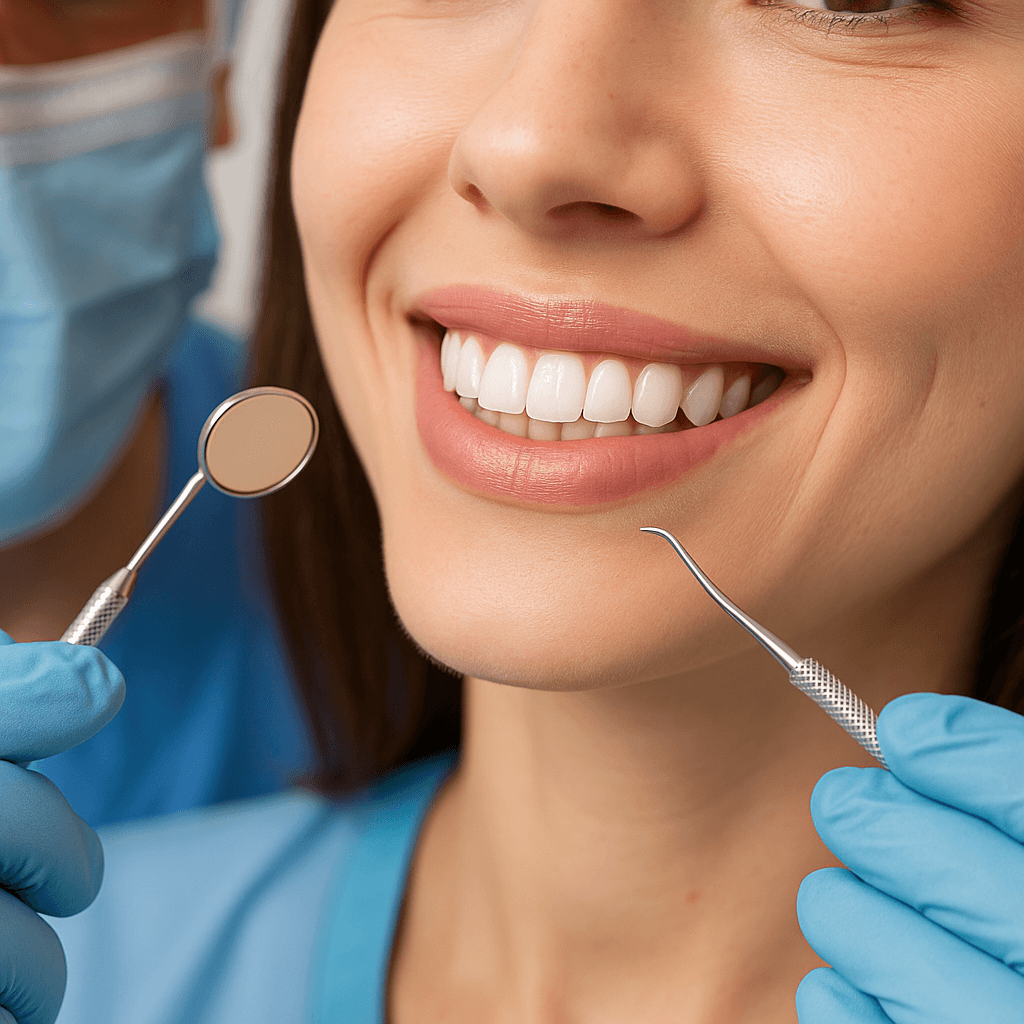
Tooth whitening procedures can remove or minimize tooth discoloration, giving an overall brighter smile. The whitening gel removes stains or reduces their intensity when applied to the tooth enamel.
This calls for patients to be aware of the type of discoloration they have before treatment and to be well prepared for the expected results.
The two types of stains patients should understand are intrinsic and extrinsic. What do they mean?
- Extrinsic Stains: Discolouration on the teeth’s outer surface. It’s the most common type of discoloration, and stains are removed quickly through a professional whitening procedure. Food, beverages, and tobacco use are the primary causes of extrinsic stains. They appear as a vast darkening or tooth yellowing, mainly near the gum line.
- Intrinsic Stains: These are deep stains within the dentine layer beneath the tooth enamel. Because of the location of the inherent stains, patients may not benefit from regular teeth whitening and may need a restorative option, such as porcelain veneers.
The stain intensity depends on the cause. How deep or large it is will be traced to a single event. Common causes for intrinsic discolouration include excessive fluoride exposure, certain medications, injury, or disease. However, there are other causes.

Understanding How Professional Teeth Whitening Works?
Teeth whitening treatment works by applying a whitening gel to the enamel, the outer layer of the tooth. This gel breaks down stain particles that cause discoloration, improving tooth brightness and uniformity.
What professional teeth whitening can fix:
- Yellowing caused by food and beverages.
- Surface stains from smoking or poor oral habits.
- General dullness of enamel.
What whitening cannot fix:
- Cracked or chipped teeth.
- Cavities or structural damage.
- Existing crowns, fillings, or veneers.
Because whitening works only on enamel, results depend on stain type, enamel thickness, and overall oral health.
Also Read –What Happens During the Teeth Whitening Process?
Types of Stains: Surface vs Internal Discoloration

Understanding the causes of tooth discoloration is essential for realistic expectations. Not all stains respond the same way to whitening.
Common Types of Tooth Stains
| Type of Stain | Where It Forms | Common Causes | Whitening Results |
|---|---|---|---|
| Surface stains (extrinsic) | Enamel | Coffee, tea, wine, tobacco, food | Respond very well |
| Internal discoloration (intrinsic) | Dentin (below enamel) | Medications, fluoride exposure, injury | Limited response |
Tip for patients: Whitening treatments are most effective for stains located on the enamel. Deeper discoloration often needs alternative cosmetic solutions.
Who Gets the Best Results From Whitening
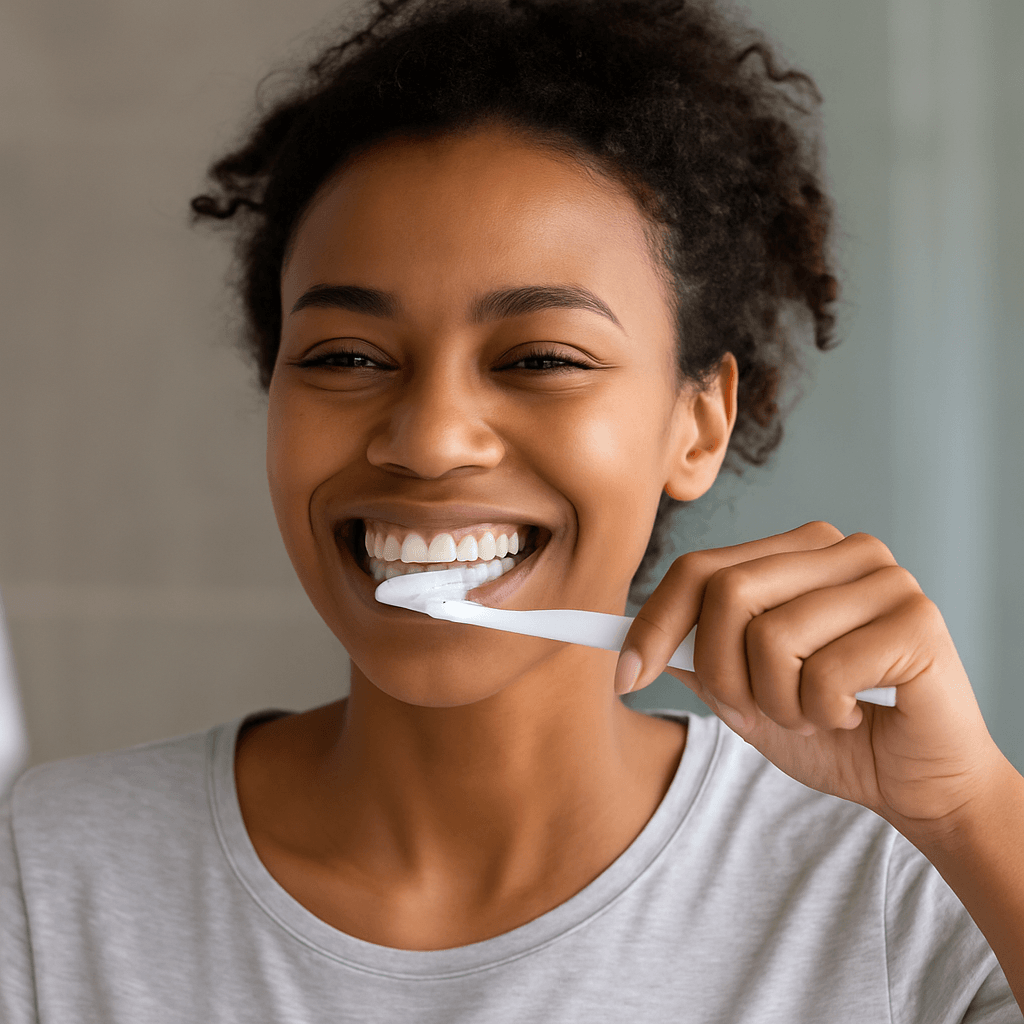
The best teeth whitening candidates typically share these characteristics:
| Factor | Why It Matters |
|---|---|
| Healthy teeth and gums | Reduces sensitivity and improves results |
| Adequate enamel thickness | Allows whitening gel to work effectively |
| Surface-level staining | Responds best to whitening treatments |
| Good oral hygiene | Helps maintain whitening results longer |
Age can influence results as well. Younger patients often have thicker enamel, while older patients may experience deeper discoloration or enamel wear. Whitening outcomes are always better when oral health is stable before treatment.
When Whitening May Not Be Recommended
Whitening is not ideal for everyone. It may be postponed or avoided in the following situations:
- Presence of crowns, veneers, or large fillings.
- Severe tooth sensitivity.
- Active gum disease or infections.
- Thin or significantly worn enamel.
In these cases, dentists may recommend addressing oral health concerns first or exploring alternative cosmetic dentistry options.
Also Read– Does Teeth Whitening Damage Your Teeth?
Professional Whitening vs Over-the-Counter Whitening Kits
Patients interested in professional whitening may also check current special dental offers.
| Factor | Professional Teeth Whitening | Over-the-Counter Kits |
|---|---|---|
| Supervision | Dentist-supervised treatment | No professional monitoring |
| Safety | Controlled application, reduced sensitivity | Higher risk of gum irritation or uneven results |
| Speed of Results | Faster and more noticeable improvement | Slower, inconsistent results |
| Customization | Based on enamel condition and sensitivity | One-size-fits-all approach |
| Overall Outcome | Safe teeth whitening with predictable results | Results vary, higher discomfort risk |
Key takeaway: Professional whitening offers greater safety, control, and reliability than store-bought kits.

How a Dental Consultation Determines Candidacy
A whitening consultation is the most important step before starting treatment. During this visit, the dentist evaluates:
- Type and depth of staining
- Enamel condition
- Existing restorations
- Sensitivity levels
During your consultation, our team can review accepted dental insurance plans and discuss coverage for whitening and other cosmetic treatments.
You Might Also Like
- What Happens During the Teeth Whitening Process?
- Does Teeth Whitening Damage Your Teeth?
- Facts Everyone Should Know About Teeth Whitening
Conclusion
This assessment helps determine whether whitening is appropriate and what results are realistic. A proper consultation ensures the treatment is safe, effective, and aligned with the patient’s expectations.
A professional evaluation helps ensure teeth whitening is both safe and effective. Consulting a professional dentist enables you to understand your options, avoid uneven results, and set realistic expectations before treatment.
FAQs (Frequently Asked Questions)
Q1. Who Is an Ideal Candidate for Teeth Whitening?
An ideal candidate has healthy teeth and gums with stains mainly on the enamel surface. Patients with good oral hygiene and adequate enamel thickness usually see the best results.
Q2. Does Teeth Whitening Work on All Types of Stains?
Teeth whitening is most effective on surface stains caused by food, drinks, or smoking. Deep internal stains may respond poorly and can require other cosmetic treatments.
Q3. Can People With Sensitive Teeth Get Whitening Treatment?
Yes, but whitening may temporarily increase sensitivity. A dentist can adjust the treatment approach or recommend desensitising options to improve comfort.
Q4. Is Professional Teeth Whitening Safer Than At-Home Kits?
Yes. Professional whitening is dentist-supervised, allowing controlled application and reduced risk of gum irritation or uneven results compared to over-the-counter kits.
Q5. How Do I Know If Whitening Will Work for My Teeth?
A dental evaluation helps determine stain type, enamel condition, and sensitivity levels. To get clear answers and realistic expectations, you can book an appointment at Charm Dental Care for a personalised consultation.